As parents and educators, we know that children learn best when they are engaged and having fun. Coloring isn't just an excellent way to develop fine motor skills; it is also a fantastic gateway to discovering the world! With our Global Culinary Delights Vol. 2 collection, kids can travel the globe right from their kitchen table.
To help you turn coloring time into an enriching learning experience, we have gathered some fascinating, bite-sized historical and cultural facts about the international dishes featured in our newest pages. Share these fun facts with your little artists as they bring these delicious meals to life!
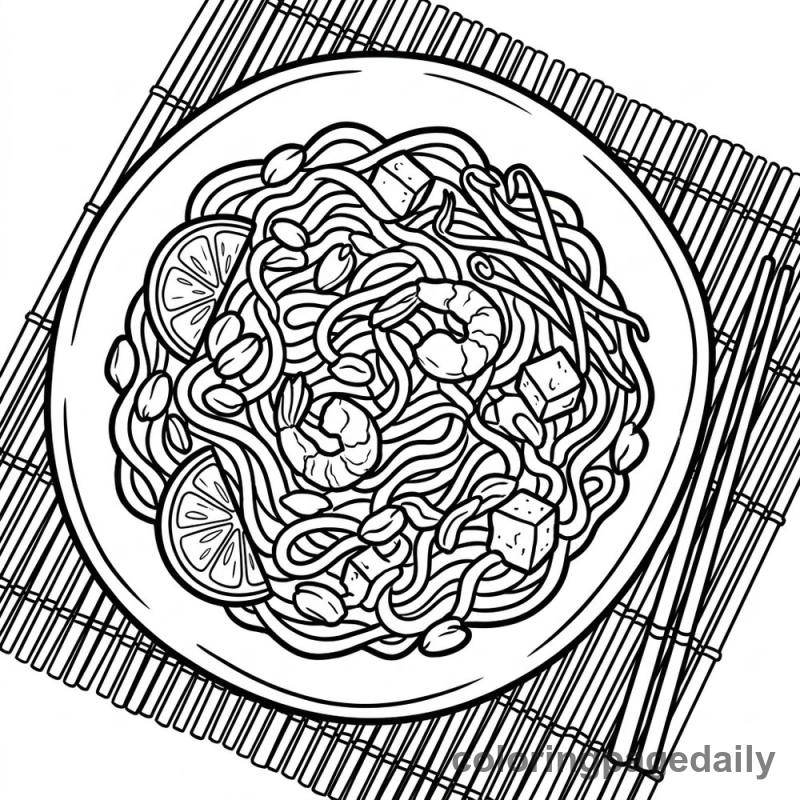
While kids are coloring the lime wedges and peanuts on our Pad Thai page, you can teach them about how this famous dish came to be! Pad Thai isn't actually an ancient recipe. It was popularized in the 1930s and 1940s during a nationwide campaign in Thailand. The government wanted to establish a national dish and reduce the country's domestic consumption of rice, encouraging citizens to eat rice noodles instead. Pad Thai is famous for perfectly balancing four key flavors: sweet, sour, salty, and spicy!
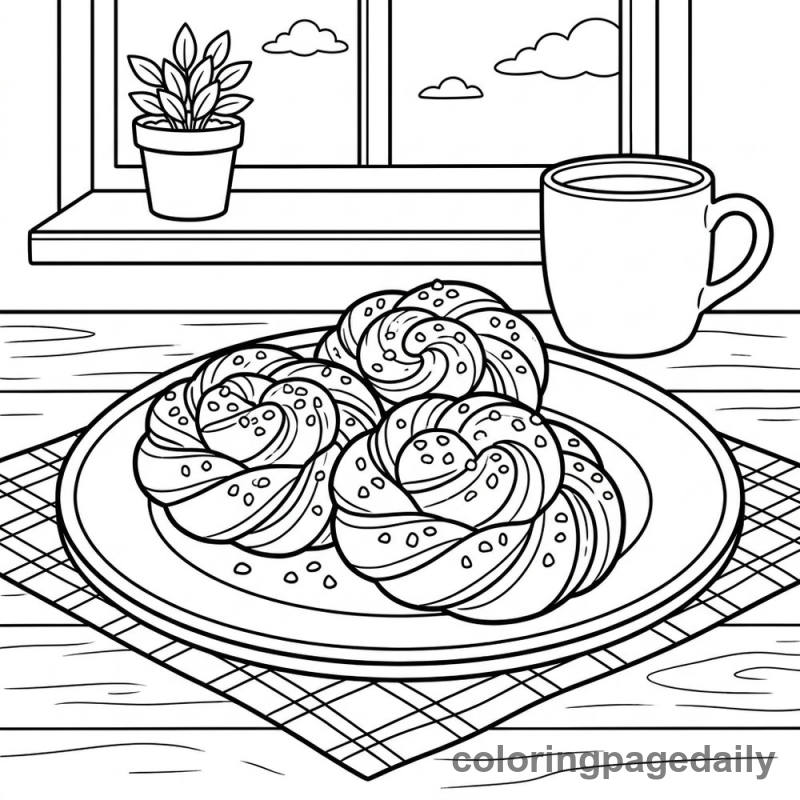
Cinnamon buns are loved worldwide, but Sweden takes their kanelbulle very seriously! Unlike the heavily frosted versions common in North America, traditional Swedish cinnamon buns are spiced with fragrant cardamom in the dough and topped with crunchy pearl sugar. They are such an important part of Swedish culture—especially during fika, the daily Swedish tradition of taking a coffee and pastry break—that Sweden celebrates National Cinnamon Bun Day (Kanelbullens dag) every year on October 4th.
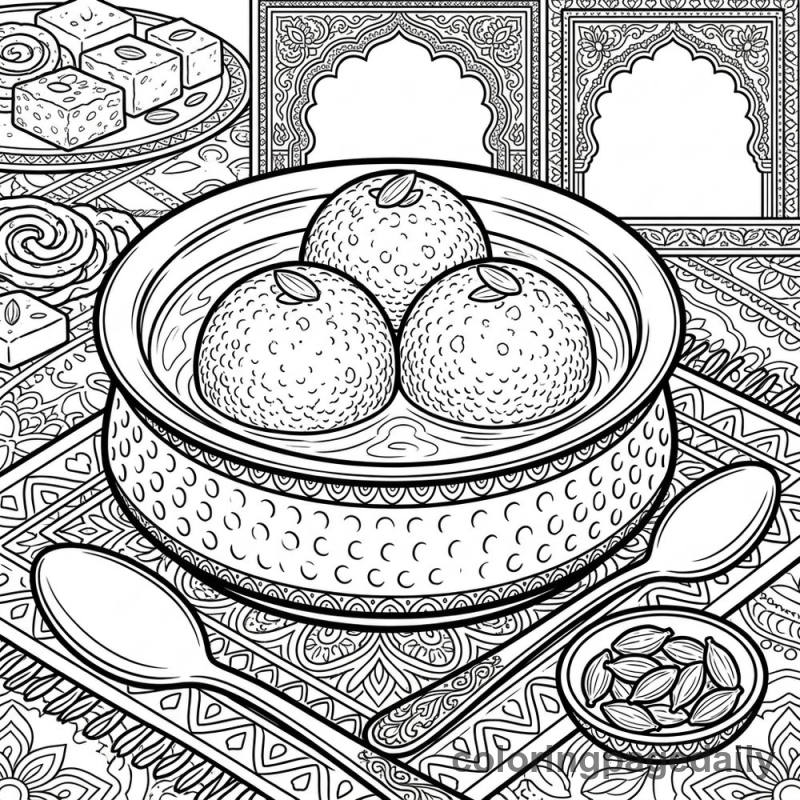
When your children reach for their brown and golden crayons to color our Indian Gulab Jamun page, ask them if they can guess how the dessert got its name. The word "Gulab" actually comes from two Persian words: gol (meaning flower) and ab (meaning water), which refers to the sweet, rose-water-scented syrup the dumplings soak in. The word "Jamun" refers to the Java plum, an Indian fruit that has the exact same size and shape as these delicious doughy treats.
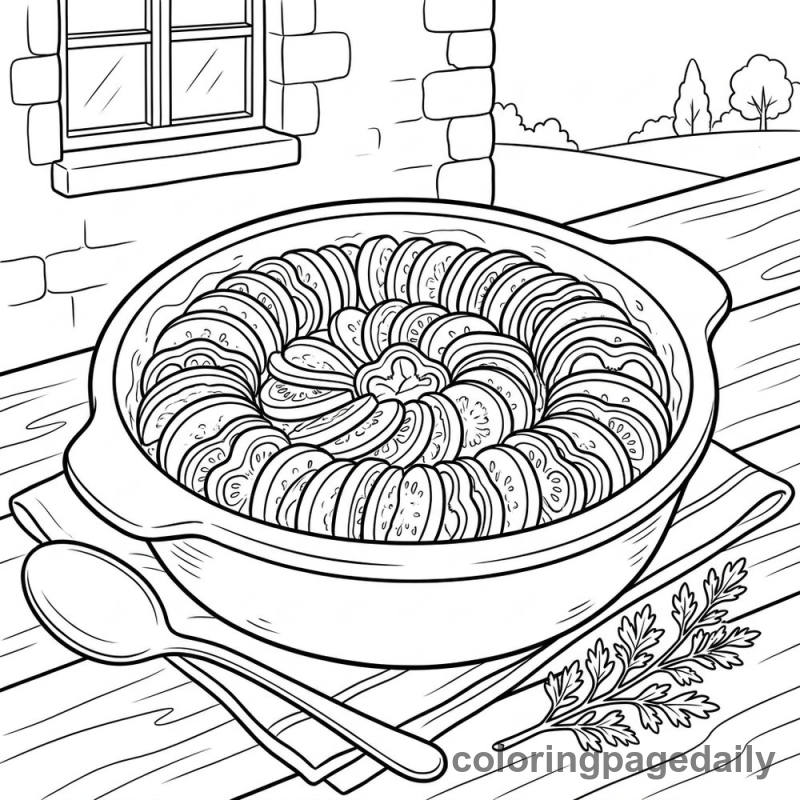
Ratatouille is more than just the title of a popular animated movie! This vibrant dish originated in the city of Nice, located in the sunny south of France. It was originally created by poor farmers as a way to use up the late-summer harvest of vegetables like eggplants, zucchini, bell peppers, and tomatoes. The name comes from the French word touiller, which simply means "to toss" or "to stir." Because of all the different vegetables, this is one of the most colorful pages in the entire collection—perfect for letting kids experiment with different shades of green, red, yellow, and purple.
Learning about the origins of these traditional foods helps children build cultural awareness and an appreciation for global diversity. Grab your crayons, print out your favorite pages from Global Culinary Delights Vol. 2, and let the delicious learning begin!
This article is part of Global Culinary Delights Vol. 2 — browse all 26 coloring pages
