Did you know that every traditional dish has a unique story to tell? When children color pictures of global cuisines, they are not just learning about new ingredients—they are unlocking windows into different cultures, histories, and languages. For parents and teachers, combining coloring activities with bite-sized geography and cultural facts is a fantastic way to broaden a child's worldview.
Let's dive into some fascinating educational facts about the dishes featured in our Global Culinary Delights Vol. 2 collection, perfect for sharing during your next coloring session!
Many countries have signature desserts that carry centuries of history. Take, for instance, a beloved treat from the Indian subcontinent.
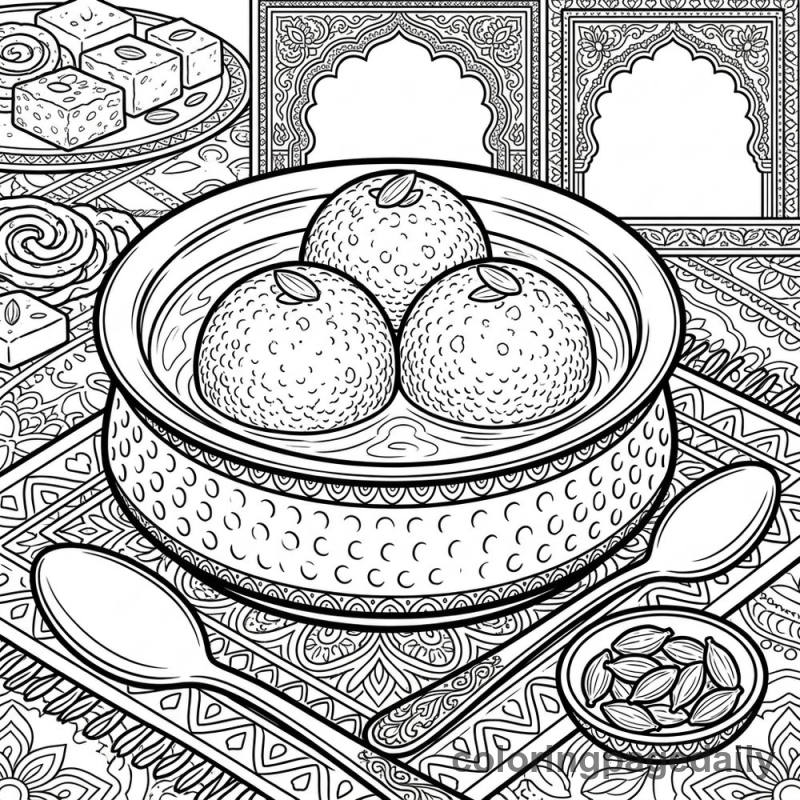
Gulab Jamun is a famous sweet made of milk solids kneaded into a dough, fried, and soaked in a fragrant syrup. The name itself is a mini language lesson! The word "Gulab" comes from Persian words meaning "flower" (gol) and "water" (āb), referring to the rose-water scented syrup. "Jamun" refers to the Java plum, an Indian fruit that these delicious round sweets resemble in size and shape.
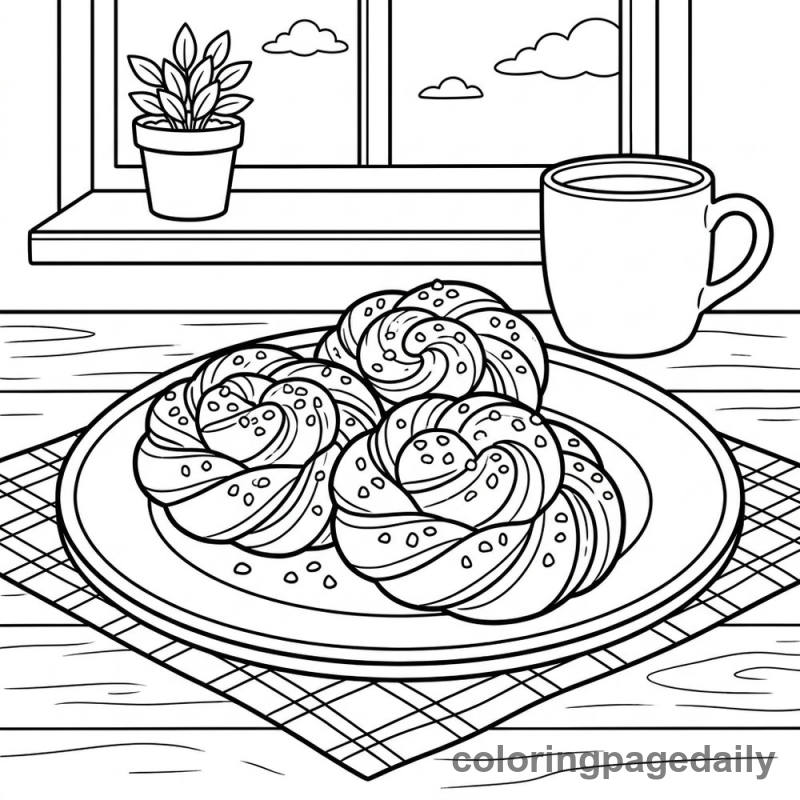
Traveling northwest to Scandinavia, we find the iconic Swedish Cinnamon Bun, or Kanelbulle. Unlike the sticky, heavily frosted cinnamon rolls popular in North America, traditional Swedish buns are usually spiced with cardamom in the dough and topped with coarse "pearl sugar." They are the absolute star of Fika—a deeply ingrained Swedish cultural tradition that means taking a daily break to enjoy coffee, a sweet treat, and conversation with friends or family.
Food also tells us a lot about the agriculture and climate of a region.
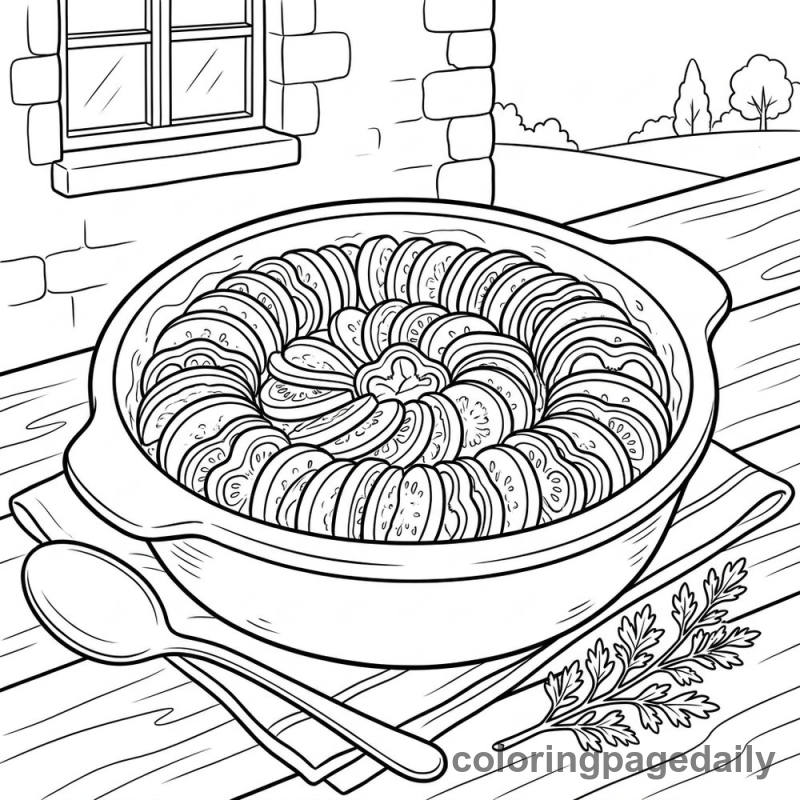
Consider Ratatouille, a famous vegetable stew originating from Nice, in the south of France. Originally considered a "peasant dish" created by poor farmers to use up the end-of-summer harvest, it is now celebrated worldwide. It is a fantastic subject for teaching kids about late-summer crops, as a traditional Ratatouille relies heavily on fresh eggplants, zucchini, bell peppers, and tomatoes.
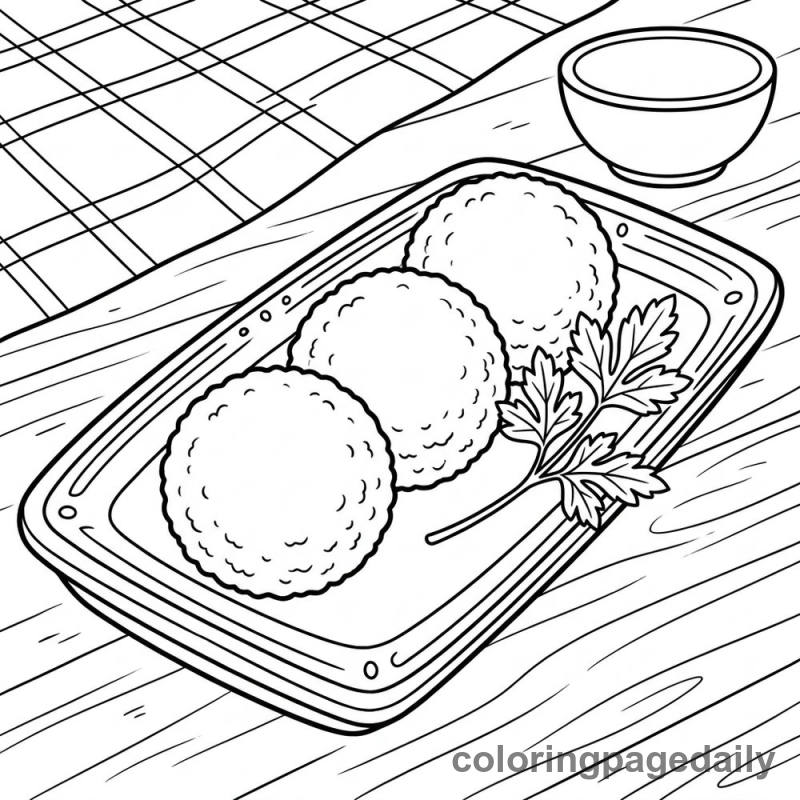
In Sicily, Italy, a clever culinary invention gave us Arancini. These stuffed, breaded, and fried rice balls were allegedly created in the 10th century as a way to preserve and transport leftover risotto. The name "Arancini" translates to "little oranges" in Italian, named for their round shape and the golden-orange color they take on after being fried to perfection.
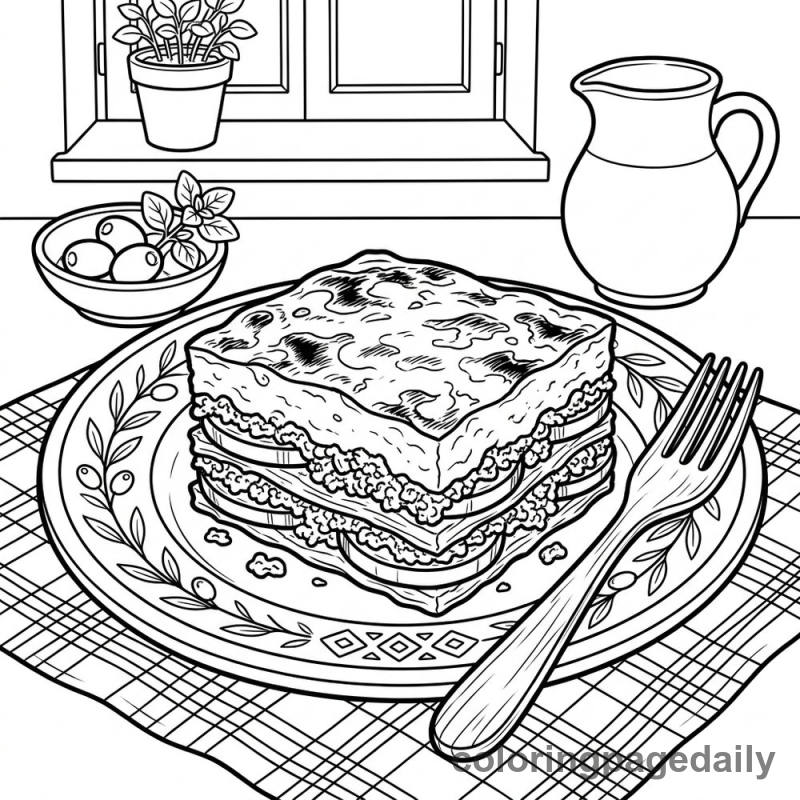
Finally, we head to Greece to learn about Moussaka. While layered eggplant and meat dishes exist throughout the Middle East and the Balkans, the modern Greek version most people know today was actually popularized in the 1920s by a Greek chef named Nikolaos Tselementes. He wanted to modernize Greek cuisine and famously added the thick, creamy French béchamel sauce to the top layer, showing how culinary ideas can cross borders and blend together.
As your little artists fill these pages with color, use these facts to spark their curiosity. Ask them which dish they would most like to taste, or have them find the dishes' home countries on a map. Happy coloring and happy learning!
This article is part of Global Culinary Delights Vol. 2 — browse all 26 coloring pages
