Get ready to set the table, because the second course has arrived! We are thrilled to announce the launch of our newest update, Global Culinary Delights Vol. 2. This brand-new collection of coloring pages features incredible traditional foods and mouth-watering desserts from around the world. Whether your students or children are budding chefs or eager artists, this update offers a fantastic, hands-on way to explore global cultures.
To help your little artists make these new pages look as delicious as the real dishes, we’ve put together some fun and educational coloring tips focusing on color layering, texture, and shading.
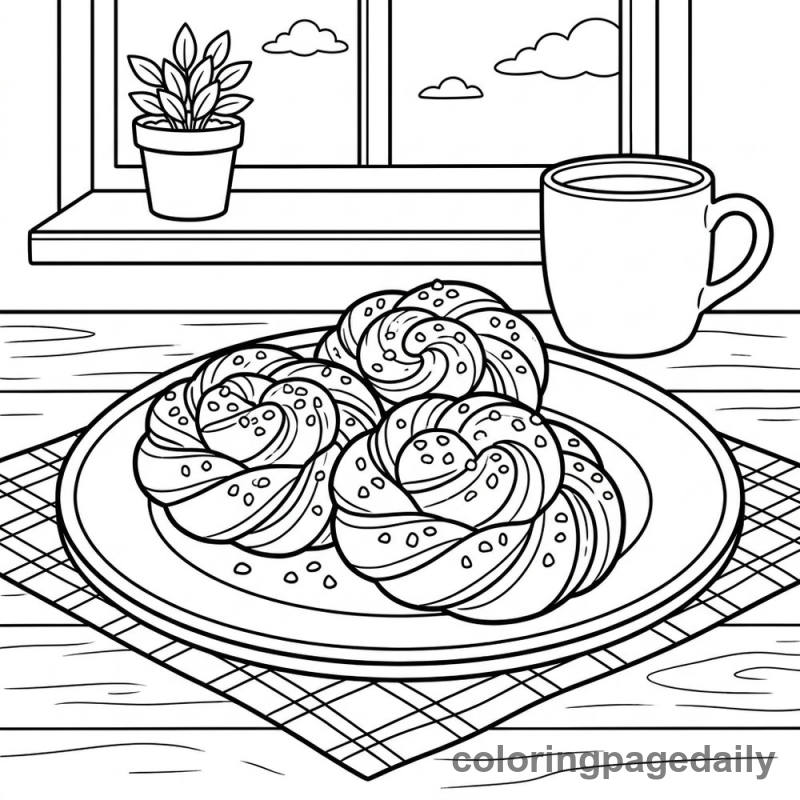
When coloring baked goods like our Traditional Swedish Cinnamon Buns (kanelbullar), the secret to realism is in the layers. Instead of reaching for a single brown crayon, encourage kids to start with a light yellow or ochre base. Next, lightly shade with a medium brown, pressing a bit harder near the swirls and edges where the pastry would naturally crisp up in the oven. This simple layering technique gives the buns a warm, golden, freshly-baked appearance!
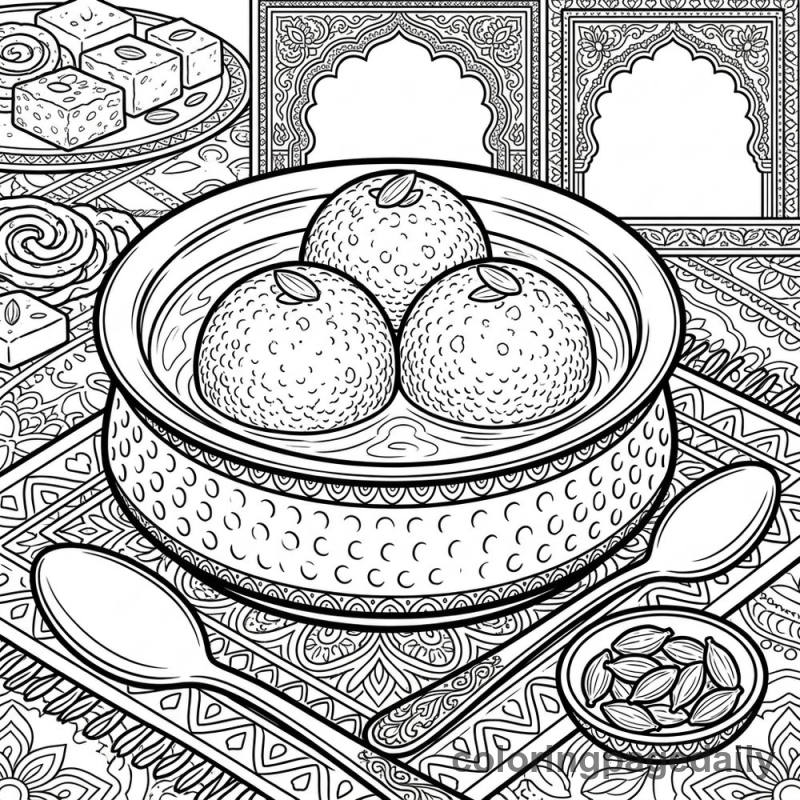
Capturing the look of liquid can be a fun artistic challenge. For our Traditional Indian Gulab Jamun—a beloved dessert of soft dough balls soaked in sweet, fragrant syrup—teach kids about "highlights." By leaving a tiny sliver or dot on the dough ball completely white, they can create the illusion of a shiny, wet surface reflecting light. For the hammered copper bowl holding the dessert, blending orange, light brown, and a touch of red will give it a distinctive, warm metallic glow.
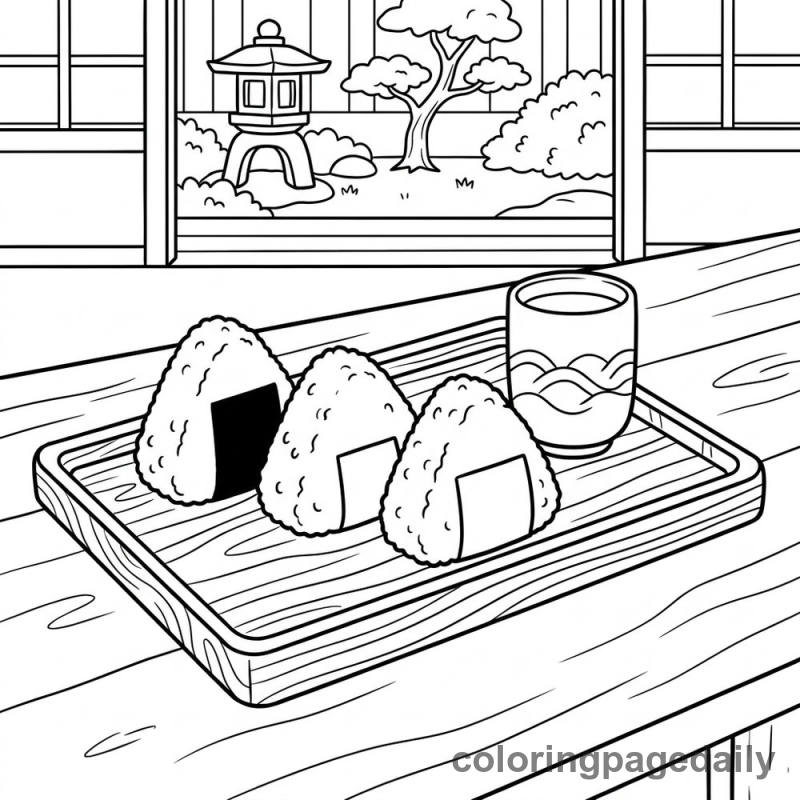
Our Traditional Japanese Onigiri (rice balls) page is a masterclass in color contrast. The bright white rice looks best when the nori (seaweed) wrapper is colored in deep, rich shades of dark green or even black. Since leaving the rice entirely blank can sometimes look unfinished, try using a very pale gray or light blue to gently shade just the edges of the rice triangles, giving them 3D volume. For the serving tray beneath them, use long, slightly wavy strokes with a brown pencil to mimic the natural, organic grain of wood.
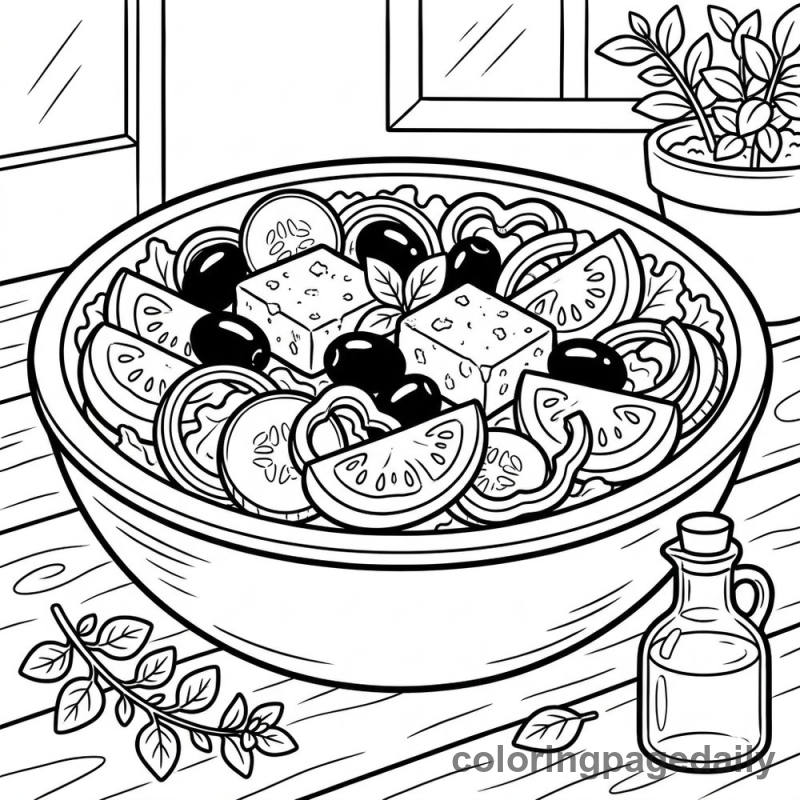
Nothing says fresh quite like a vibrant bowl of crisp vegetables! When coloring the Traditional Greek Salad, it's all about bold, saturated colors. To make the tomatoes and cucumbers pop off the page, apply firm, even pressure with colored pencils or use bright, juicy markers. The stark white of the thick feta cheese blocks will stand out beautifully against the dark, rich purples and blacks of the Kalamata olives.
We can't wait to see how your young artists bring these global dishes to life. Head over to the Global Culinary Delights Vol. 2 collection today, print out a feast, and let the coloring adventure begin!
This article is part of Global Culinary Delights Vol. 2 — browse all 26 coloring pages
