Our newest coloring collection has officially arrived! Global Culinary Delights Vol. 2 expands our menu with even more mouth-watering dishes and traditional desserts from around the world. As parents and educators know, coloring food is a fantastic way to spark conversations about different cultures, geography, and trying new ingredients.
To help your little artists get the most out of this new update, we have put together a quick digest of some of our favorite new pages, along with creative coloring tips to make these global dishes look good enough to eat!
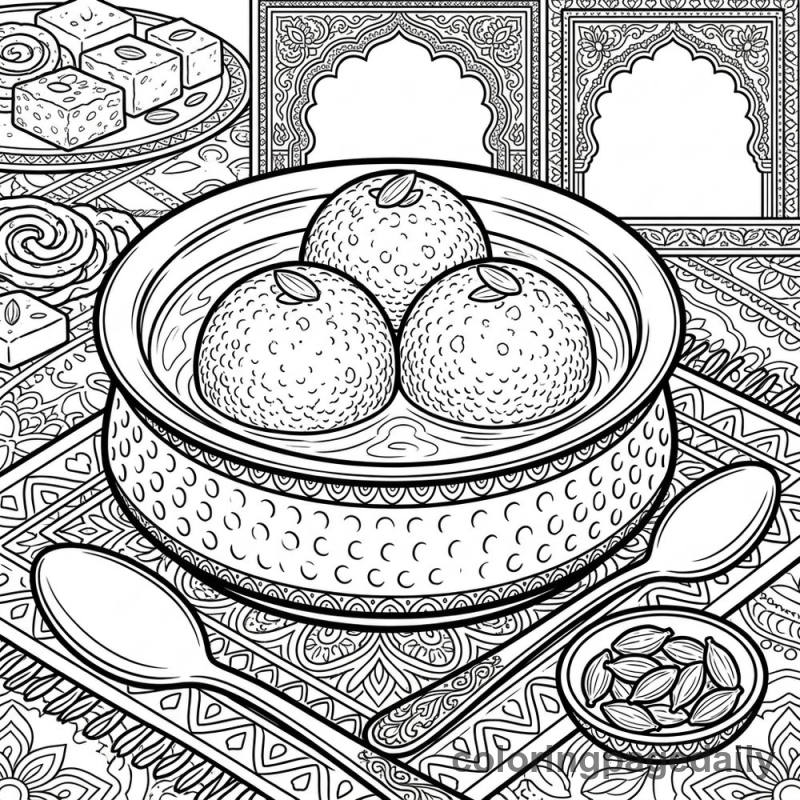
One of the standout desserts in this update is the traditional Indian Gulab Jamun. These sweet, doughy treats are soaked in a delicious sugary syrup and served in a hammered copper bowl.
Coloring Tip: To make the syrup look wet and sticky, remind kids to leave a tiny white circle or line uncolored on the top of each dessert as a "highlight." For the copper bowl, blend oranges, light browns, and yellows. The "hammered" texture can be achieved by coloring small, overlapping circles in varying shades of bronze.
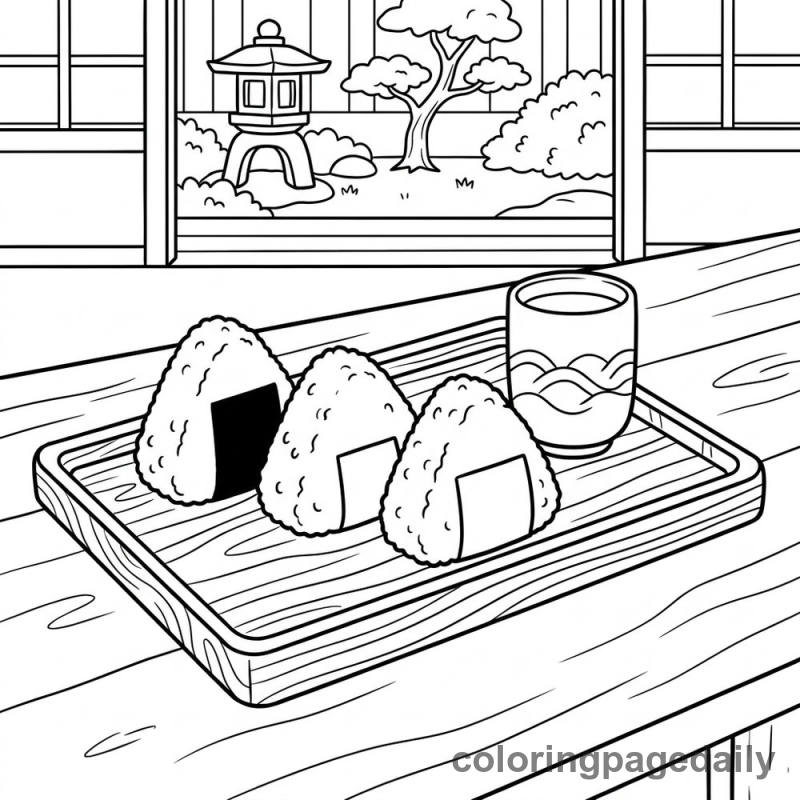
Our Japanese Onigiri page features perfectly shaped rice balls wrapped in nori (seaweed).
Coloring Tip: Coloring white food can be tricky! Instead of just leaving the rice completely blank, encourage children to use a very light gray or pale blue crayon along the bottom edges. This creates a shadow, giving the onigiri a 3D, rounded shape. For the wooden serving tray beneath them, use long, wavy brown strokes to mimic natural wood grain.
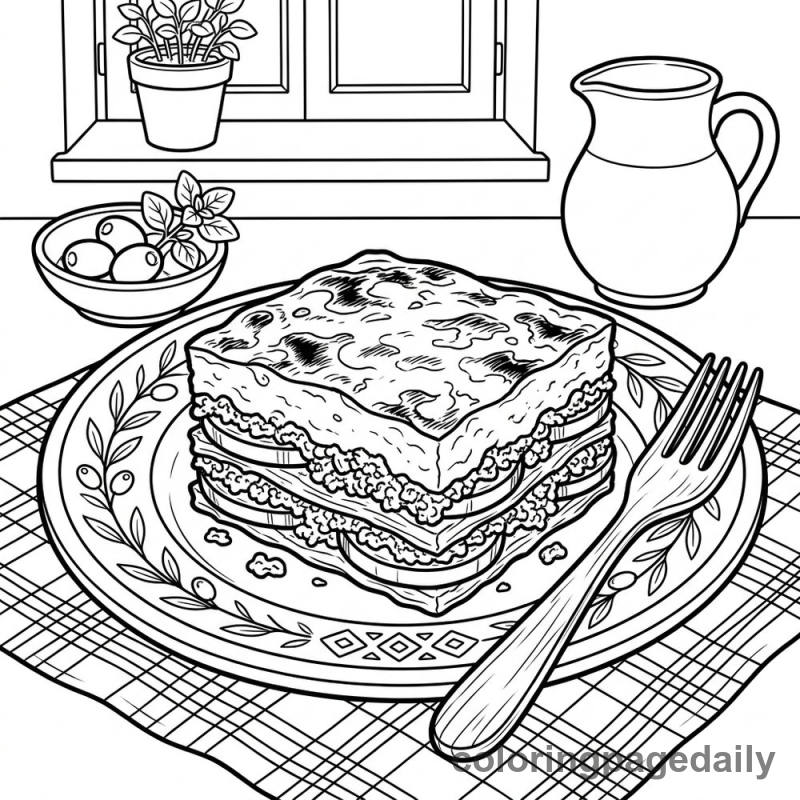
Take a trip to Greece with our Moussaka coloring page. This dish is famous for its distinct, beautiful layers of eggplant, meat sauce, and creamy béchamel.
Coloring Tip: This page is perfect for practicing color separation. Kids can use rich purples and dark browns for the bottom layers, and soft yellows or creams for the top. To make the baked crust look realistic, try "stippling"—tapping the tip of a brown marker or pencil repeatedly to create tiny dots that look like a perfectly baked, bubbly cheese topping.
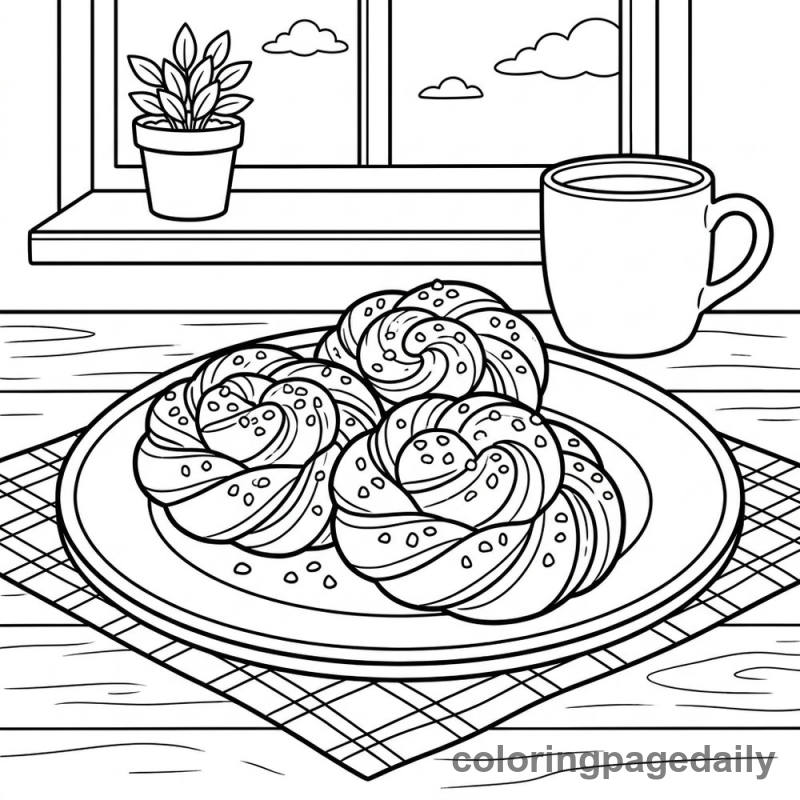
Nothing says cozy quite like traditional Swedish cinnamon buns, also known as Kanelbullar. Our new page features these twisted, spiced treats resting on a classic napkin.
Coloring Tip: Have your little ones trace the intricate swirls of the dough with a dark brown pencil first, then color the rest of the bun with a lighter tan. The checkered napkin underneath provides a wonderful opportunity to practice alternating colors to create a gingham pattern—a great exercise in focus and pattern recognition!
Download Global Culinary Delights Vol. 2 today and let the creative cooking begin. Don't forget to display these masterpieces on the fridge once they are done!
This article is part of Global Culinary Delights Vol. 2 — browse all 26 coloring pages
