Welcome back to the kitchen! Our Taste of the World: Traditional Foods collection has just received a massive update. We’ve been hard at work baking, frying, and plating up a brand-new batch of sweet and savory coloring pages for your little chefs.
Whether you are a teacher planning a multicultural lesson or a parent looking for an engaging weekend activity, these new additions are perfect for sparking conversations about global cultures, ingredients, and culinary traditions.
Our latest savory additions focus on comforting doughs and rich cheeses from around the globe. When coloring these dishes, encourage children to experiment with layering different shades of yellow, tan, and light brown to achieve that perfect "freshly baked" look.
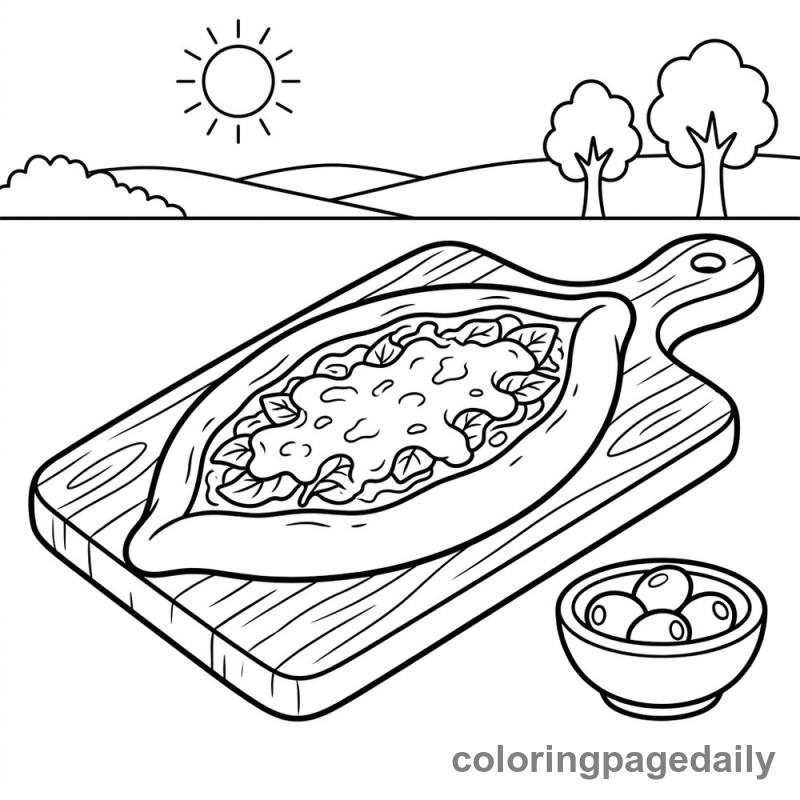
Take our new Turkish Pide page, for example. This classic boat-shaped flatbread is a fantastic opportunity to practice coloring contrasting textures. Kids can use a smooth, solid green for the spinach filling, and lightly blend golden-brown colored pencils around the edges to make the crust look warm and crispy against the wooden serving board.
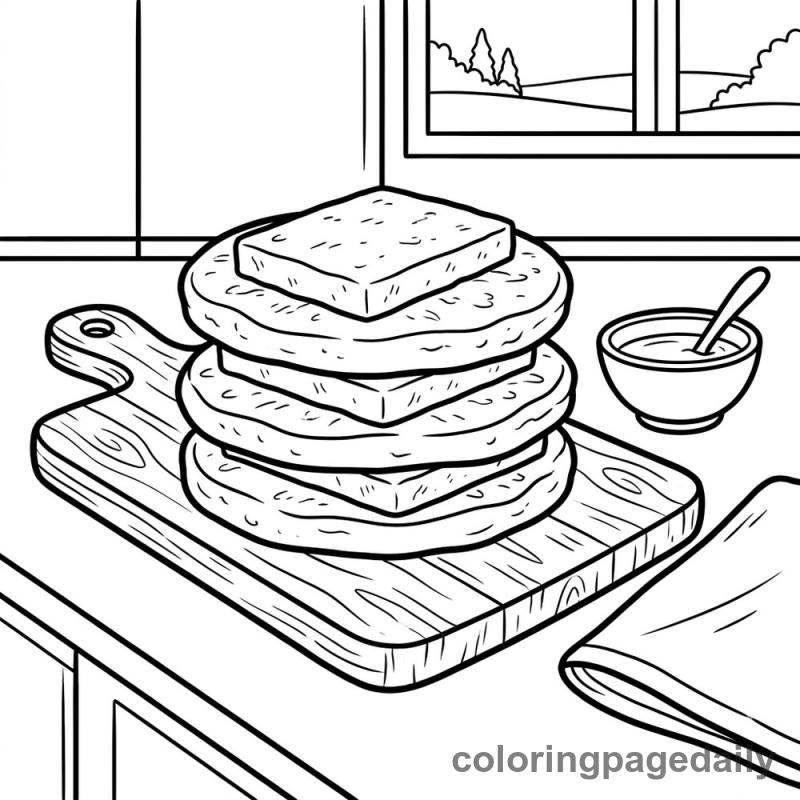
For the Venezuelan Cachapas, young artists can practice their shading skills. By using a slightly darker yellow or orange on the bottom edges of the thick sweet corn pancakes, they can give the stack a three-dimensional appearance. This shading technique helps the thick slices of fresh cheese on top truly stand out!
No meal is complete without dessert! We've added several traditional sweets that introduce fun new coloring challenges, specifically when it comes to illustrating syrup, sugar, and flaky pastries.
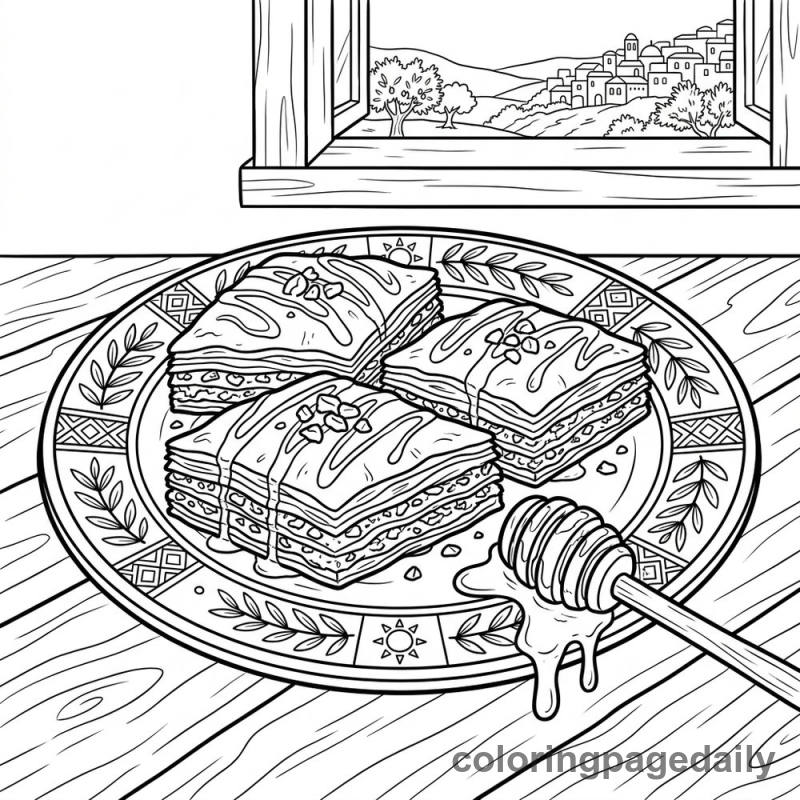
Greek Baklava is famous for its paper-thin layers of phyllo dough and sweet honey syrup. To capture the sticky, sweet nature of the honey, suggest using a bright golden-yellow crayon and pressing a little harder in the crevices to mimic pooled syrup catching the light.
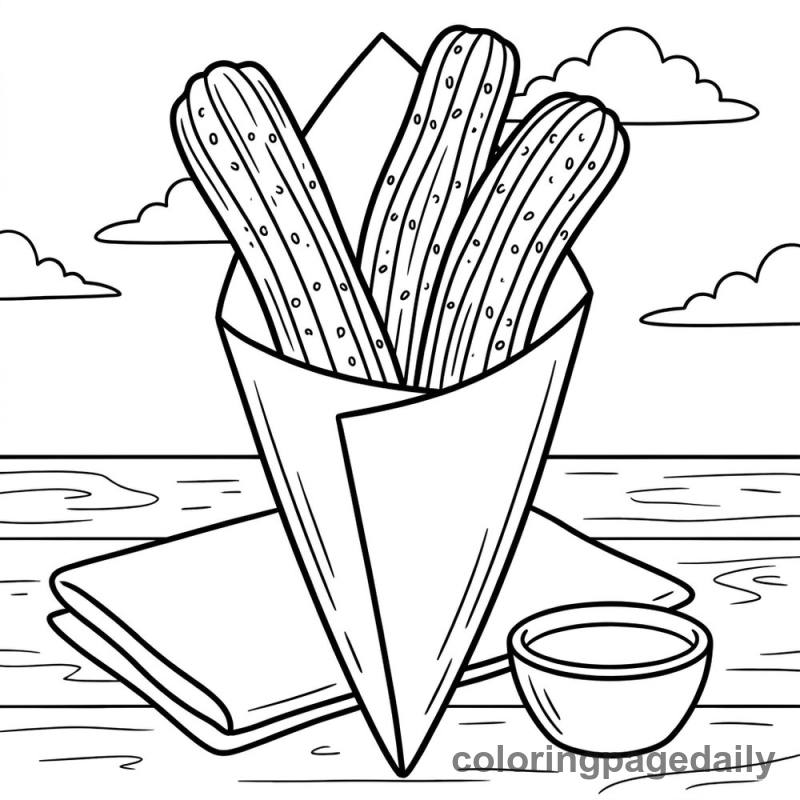
If your young artists are working on the crispy Mexican Churros, introduce them to the "stippling" technique! By making tiny, repetitive dots with a dark brown or orange marker over the lighter brown dough, they can perfectly recreate the look of coarse cinnamon-sugar grains clinging to the churro's deep ridges.
Looking for a fun, interactive way to use these new pages in the classroom or at the kitchen table? Host a "Global Food Fair!"
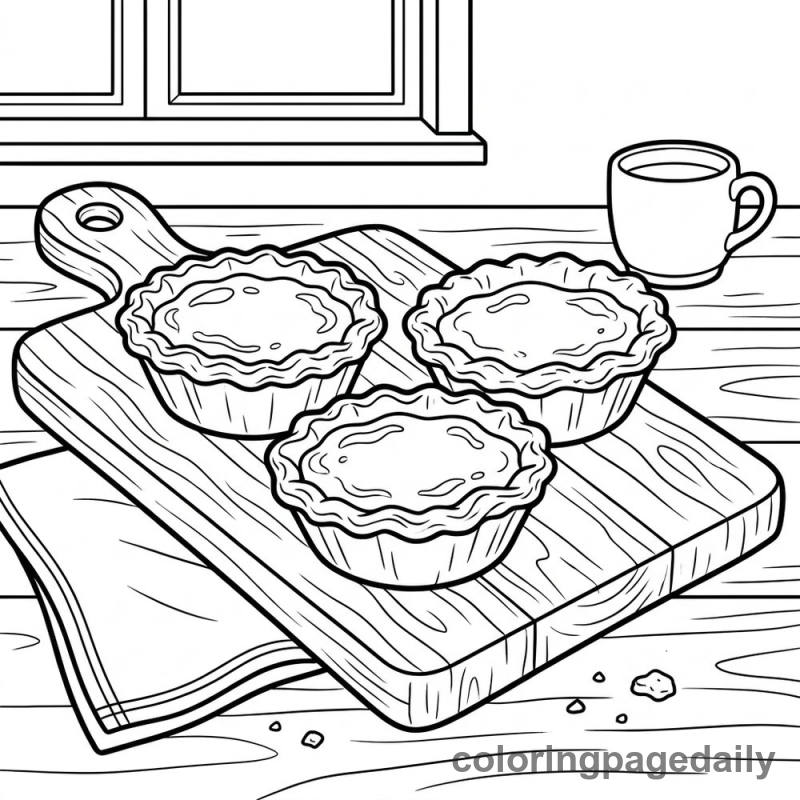
Have children color a variety of our new dishes—like the flaky Canadian Butter Tarts, the stacked Argentine Alfajores, or the beautifully crimped Polish Pierogi. Once finished, they can cut out the plates and pin them to a large world map on the wall, drawing a line from the food to its country of origin. It’s a wonderful, hands-on way to combine geography, art, and cultural appreciation without needing a passport.
Grab your favorite coloring supplies, print out our latest updates, and let your students take a delicious journey around the world today!
This article is part of Taste of the World: Traditional Foods — browse all 23 coloring pages
