Welcome back to the "Taste of the World: Traditional Foods" collection! Our latest update brings a mouth-watering array of street foods, baked goods, and savory snacks to your coloring library. As children explore these new pages, they'll encounter a fun artistic challenge: making baked, fried, and toasted foods look deliciously realistic.
Creating the perfect "golden-brown" texture requires more than just a single brown crayon. Here are our top coloring tips for parents and teachers to help young artists master crispy, crunchy, and crumbly textures on our newest global food pages.
Fried foods have a distinct, bumpy texture that is a blast to color. When tackling our new Japanese Tempura and Indian Samosa pages, encourage kids to use a technique called stippling.
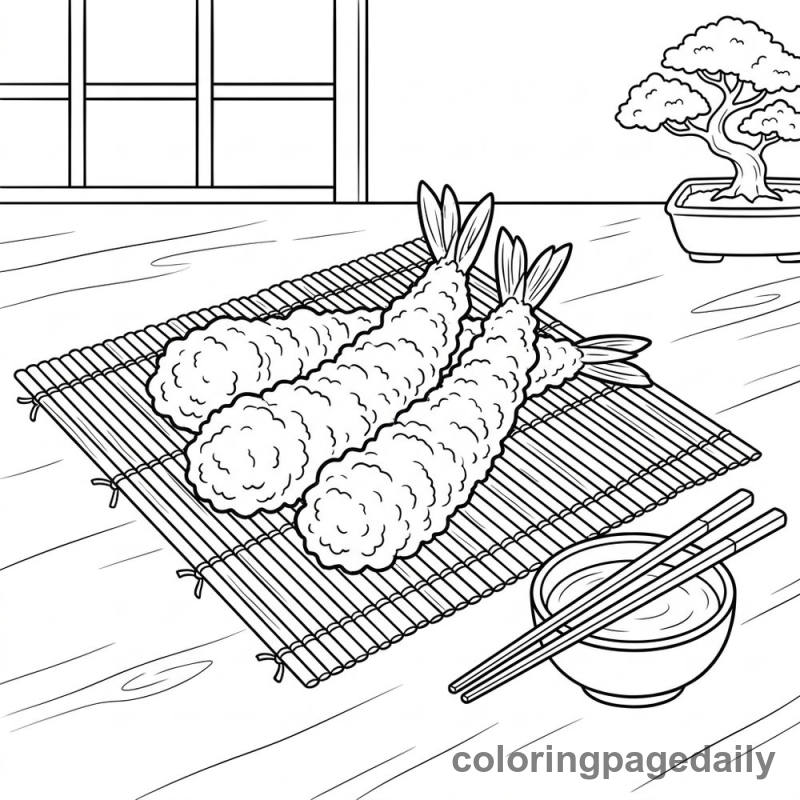
For the Japanese Tempura Shrimp, start with a light yellow base. Then, use a darker golden-yellow or light brown crayon to add tiny dots (stippling) all over the batter. This mimics the light, airy, and crispy texture of traditional tempura batter, which was actually introduced to Japan by Portuguese missionaries centuries ago!
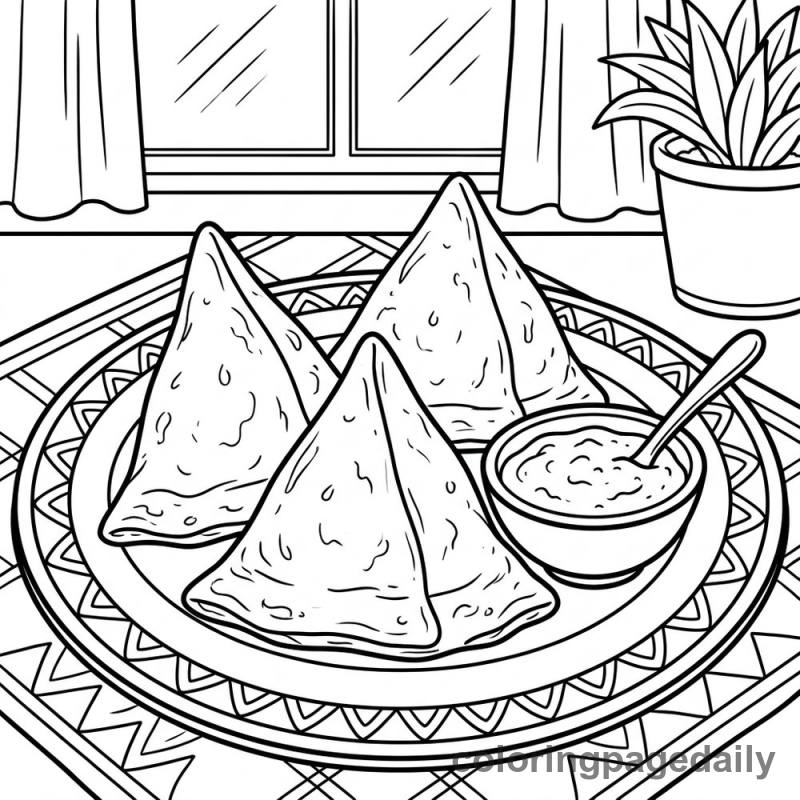
The same trick works wonders for the Traditional Indian Samosas. Samosa pastry often develops tiny, crispy bubbles when fried. By adding small, uneven circles of brown over a golden base, children can make the crust look exactly like the real thing, ready to be dipped in that side of green chutney.
Not all golden-brown foods are fried; many are griddled or baked, resulting in uneven, caramelized spots.
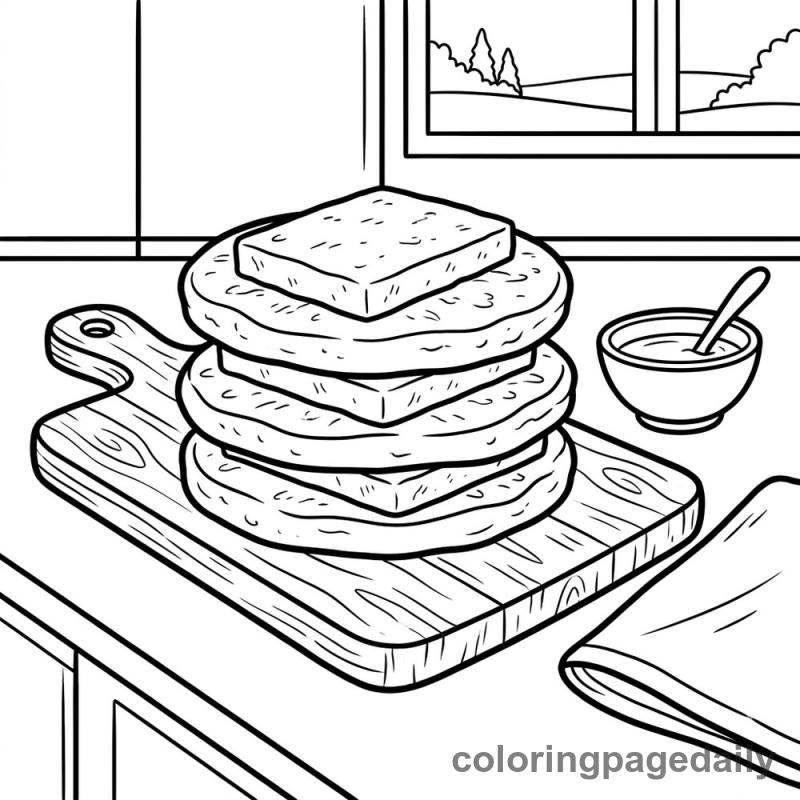
Take our Venezuelan Cachapas, for example. These sweet corn pancakes are cooked on a griddle (traditionally called a budare), giving them dark, toasted patches. Kids can practice layering and pressure variation here. Have them color the whole pancake with a bright corn-yellow, then press firmly with a brown colored pencil in scattered patches to create those delicious, charred griddle marks.
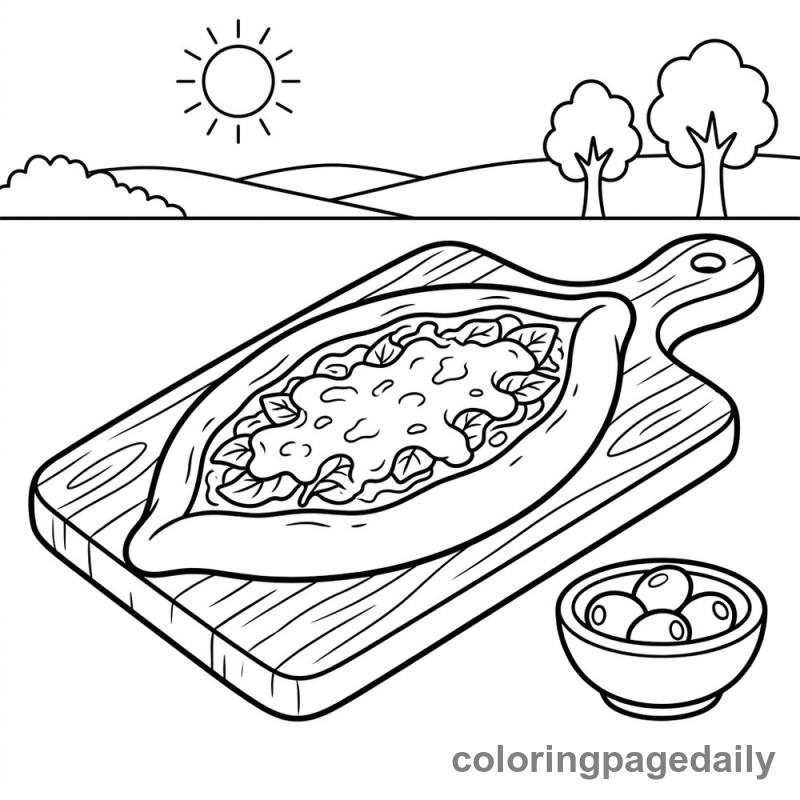
For the Traditional Turkish Pide Bread, the edges of the boat-shaped dough should look freshly baked in a hot oven. Shading the outer crust with a medium brown while leaving the inner edges near the cheese and spinach a lighter tan will give the bread a realistic, three-dimensional baked look.
Finally, let's talk desserts! Sweets often feature distinct textures like shimmering sugar coatings or crumbly shortbread.
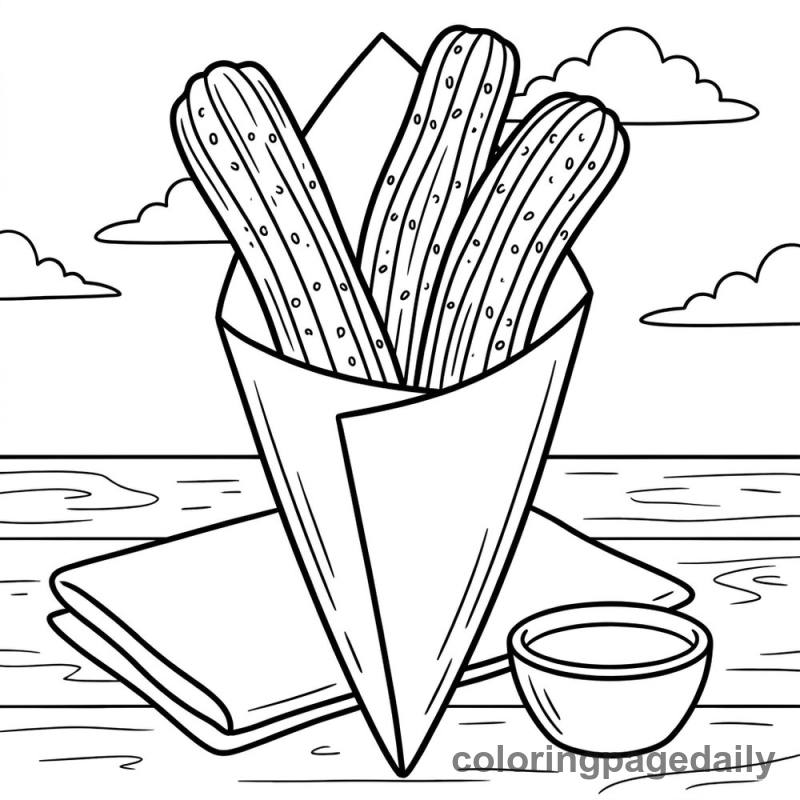
When coloring the Crispy Mexican Churros, the secret is negative space. Churros are famously rolled in sugar. If kids leave tiny specks of the white paper uncolored while shading the ridges of the churro with a warm cinnamon-brown, it creates the illusion of light catching on individual sugar crystals.
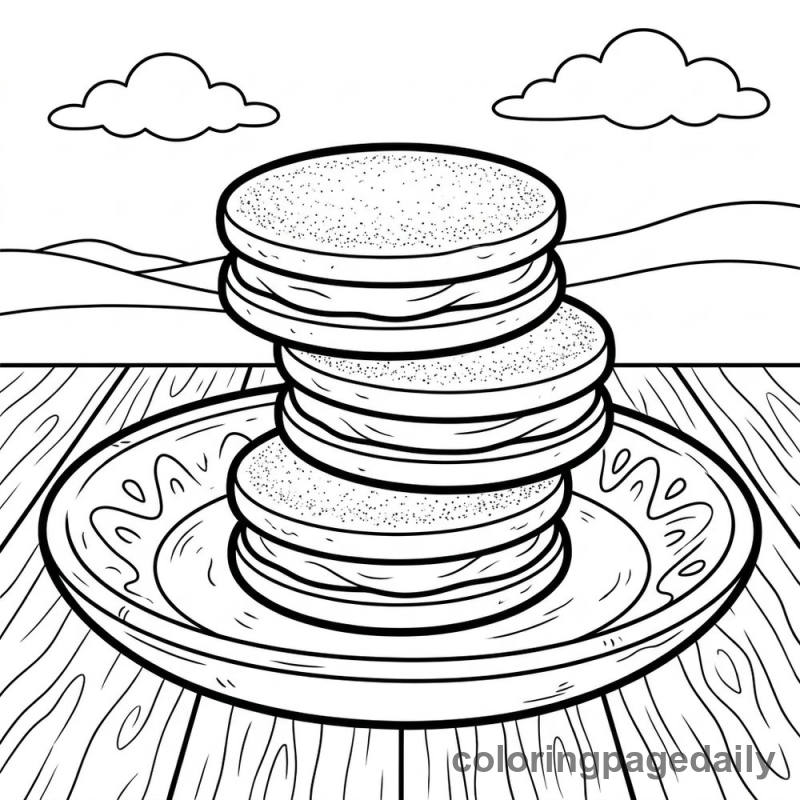
For the Argentine Alfajores, the cookie texture is completely different—it's soft, delicate, and crumbly. Instead of harsh lines, recommend using soft, circular motions with a beige or cream-colored crayon. This creates a smooth, powdery look that contrasts beautifully with the dark, rich brown they can use for the gooey dulce de leche filling in the center.
By mixing yellows, oranges, and browns with these simple techniques, young artists will not only improve their shading skills but also build an appetite for cultural learning. Happy coloring, and bon appétit!
This article is part of Taste of the World: Traditional Foods — browse all 23 coloring pages
