Welcome back to our Ocean Wonders & Sunken Treasures collection! This week, we are thrilled to introduce a fresh batch of coloring pages that emphasize the incredible diversity of the ocean. From massive marine mammals to tiny crustaceans, these new additions provide an excellent opportunity for parents and teachers to discuss the concepts of scale, volume, and material contrast with young artists.
Here is a look at our latest updates and some creative coloring tips to help bring these underwater scenes to life!
One of the most awe-inspiring aspects of the ocean is the sheer size of its inhabitants. Our new pages feature some of the sea's most beloved gentle giants interacting with much smaller friends.
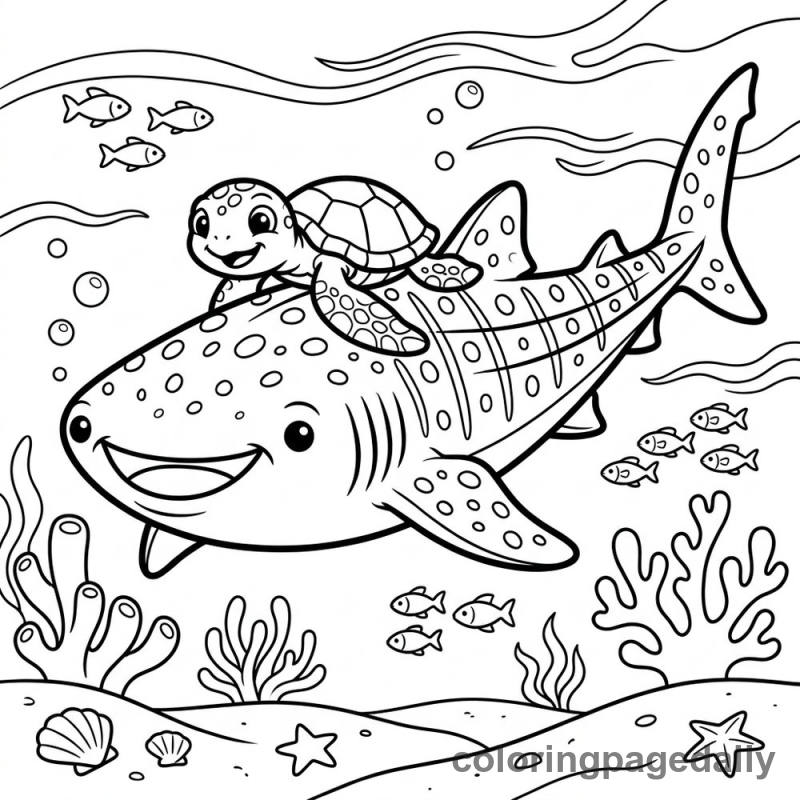
When children color pages featuring animals of vastly different sizes, they naturally learn about spatial relationships and scale.
Coloring Tip: Shading for Volume To make large creatures like the whale shark look truly massive and three-dimensional, encourage your little ones to practice gradient shading. Instead of coloring the shark with one flat shade of blue or grey, try pressing harder with the crayon near the bottom of the shark's belly to create a shadow, and coloring lightly near the top where the sunlight hits its back. This technique gives the animal a rounded, heavy appearance that contrasts beautifully with the bright, solid greens and yellows you can use for the tiny hitchhiking sea turtle.
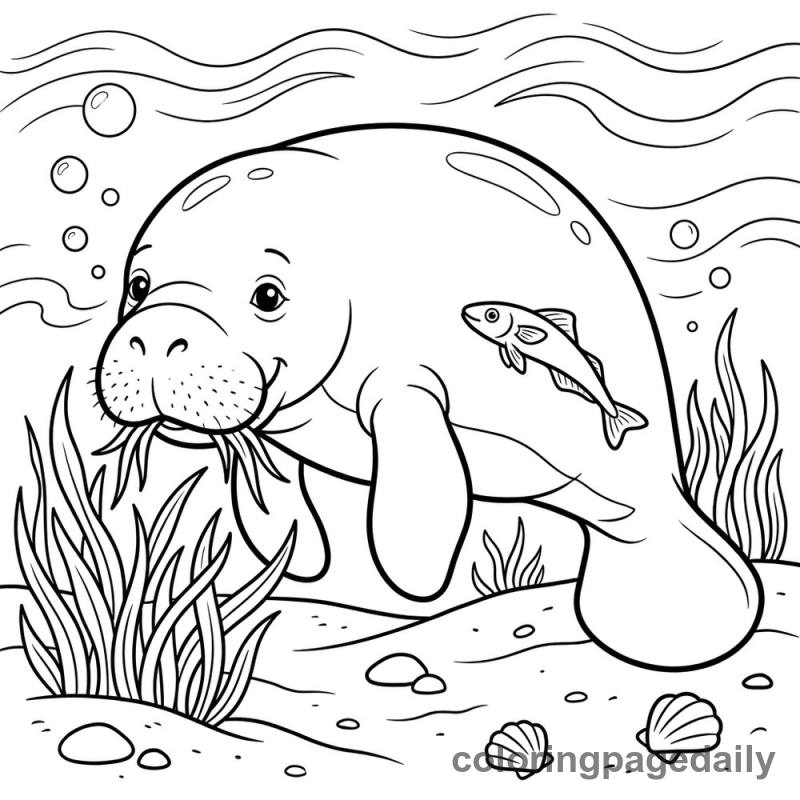
Similarly, when coloring our grazing manatee, kids can use soft, sweeping strokes of grey and brown to capture its thick, smooth skin, while using precise, tiny strokes for the little remora fish swimming alongside it.
Our collection wouldn't be complete without mysterious sunken treasures! This update brings new man-made objects to the ocean floor, allowing for a fantastic lesson on contrasting textures.
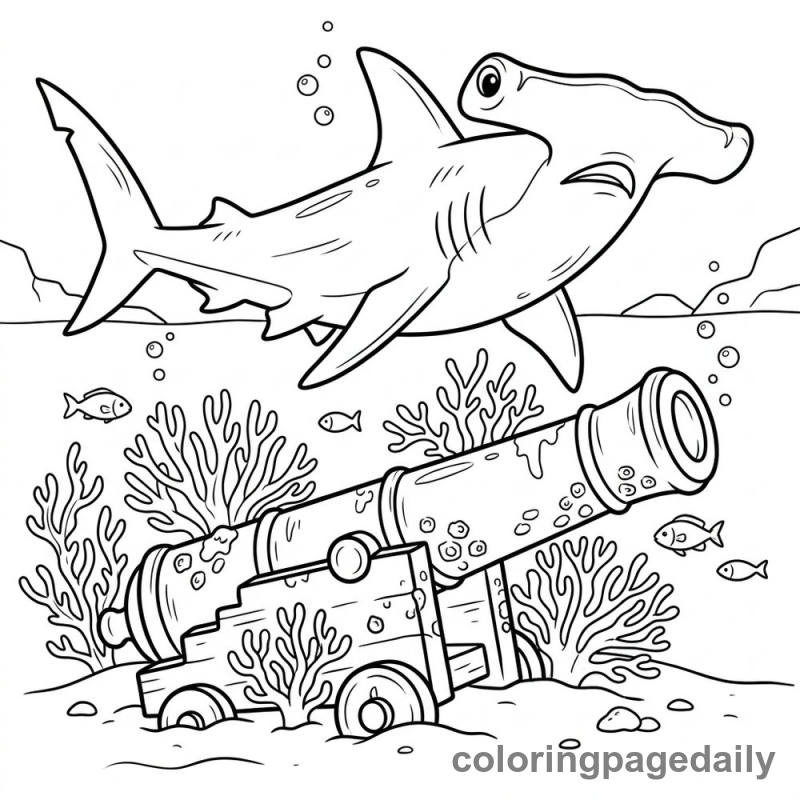
Coloring Tip: Creating the "Rust" Effect Sunken iron objects like ship cannons and anchors don't stay perfectly black or grey underwater. Over decades, they transform into fascinating, colorful artificial reefs. To color these sunken artifacts, tell your young artists to put away the plain grey crayon!
Instead, layer different colors to create a weathered, rusty look. Start with a base of dark brown, lightly scribble some burnt orange and brick red for rust spots, and finish with dabs of dark green to represent growing algae and moss.
This rusty, rough texture looks incredibly striking when placed right next to the smooth, sleek skin of a hammerhead shark or the bright, vivid shell of a tiny hermit crab. By using rough, stippled (dotting) motions for the metal and long, smooth strokes for the animals, children can actually feel the difference in texture as they color.
We hope these new pages inspire hours of creative, educational fun. Dive in, grab those crayons, and let your imagination explore the deep blue!
This article is part of Ocean Wonders & Sunken Treasures — browse all 10 coloring pages
