Welcome back, ocean explorers! We are thrilled to announce the latest additions to our Ocean Wonders & Sunken Treasures collection. This month's update is all about creatures in motion—from graceful gliders sweeping over forgotten artifacts to playful mammals creating their own underwater fun.
Whether you are a parent looking for a quiet afternoon activity or a teacher planning a marine biology unit, these new pages offer fantastic opportunities to discuss how animals navigate the ocean. Plus, we have included some fresh coloring tips to help your little artists bring these dynamic scenes to life!
Our first exciting update features some of the ocean's most majestic swimmers exploring relics of the past.
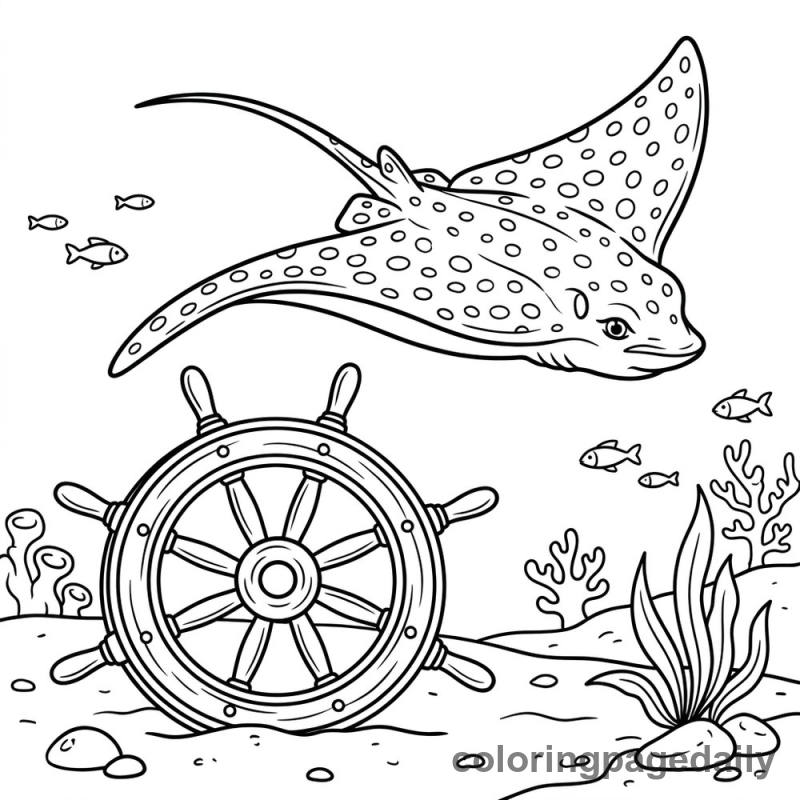
Coloring Tip: Smooth Skin vs. Rough Relics When coloring creatures like the Spotted Eagle Ray or the Hammerhead Shark, try using long, smooth strokes with your crayons or colored pencils to emphasize their sleek, aerodynamic bodies. To make them pop against the background, use a contrasting technique for the sunken objects below them. Try "stippling" (making tiny dots with your marker or pencil tip) or using short, hard strokes to give ship wheels and cannons a rough, woody, or rusted metal texture.
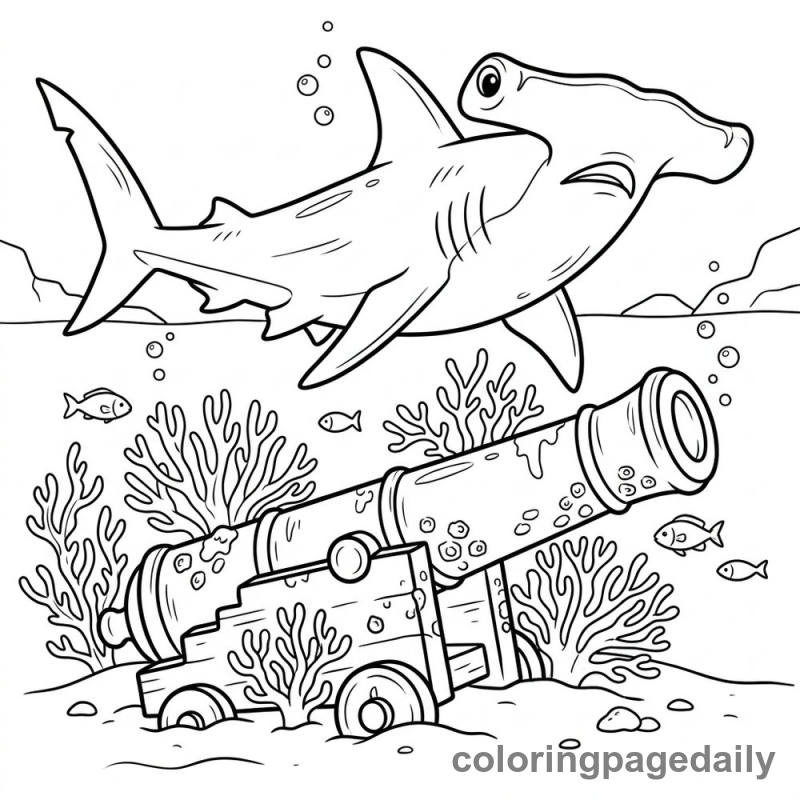
Teacher's Note: Did you know that a hammerhead shark's uniquely shaped head is called a "cephalofoil"? Its wide, flat shape acts a bit like an airplane wing, helping them maneuver quickly and allowing them to scan a wider area of the sandy ocean floor for food!
Movement in the ocean isn't just about swimming; it's also about the water itself! We've added a highly requested page featuring one of the ocean's smartest and most playful residents.
Coloring Tip: Making Bubbles Pop Coloring clear bubbles can be tricky, but it’s a fun challenge! Instead of coloring the whole bubble blue, trace the outside edge with a medium blue, and leave a bright white spot near the top to act as a "highlight." For an extra magical touch, lightly shade the opposite inside edge with a tiny bit of pale pink or yellow to show the light reflecting off the bubble's surface.
While some animals love to swim long distances, others prefer to stay put when the current picks up.
Teacher's Note: Seahorses are actually quite poor swimmers! Because they have tiny fins, they easily get swept away by strong ocean currents. To stay safe, they use their "prehensile" (grasping) tails to hold tightly to corals, sponges, and seagrasses, just like a monkey holding a tree branch.
Coloring Tip: Coral Contrasts To make your seahorse stand out, use the color wheel to your advantage. If you color your seahorse in warm tones like yellow, orange, or red, try coloring the branching staghorn coral in cool greens or deep purples. This color contrast will make the main character of your page instantly catch the eye!
Grab your favorite coloring supplies and dive in! These new pages are ready to be transformed into vibrant underwater masterpieces.
This article is part of Ocean Wonders & Sunken Treasures — browse all 10 coloring pages
