Welcome to another deep dive into our "Ocean Wonders & Sunken Treasures" collection! While we've previously shared ideas for blending ocean backgrounds, today we are focusing on the finer details: patterns, textures, and the beautiful contrast between marine life and sunken history.
Here are some fun, easy coloring techniques for parents and teachers to help little artists bring the ocean floor to life.
Marine life is full of incredible, natural designs. Take the chambered nautilus, a fascinating creature often called a "living fossil," known for its beautifully striped spiral shell. When coloring patterned animals, encourage children to use highly contrasting colors. Pressing harder with a colored pencil on the stripes while lightly shading the background of the shell will make those patterns leap right off the page!
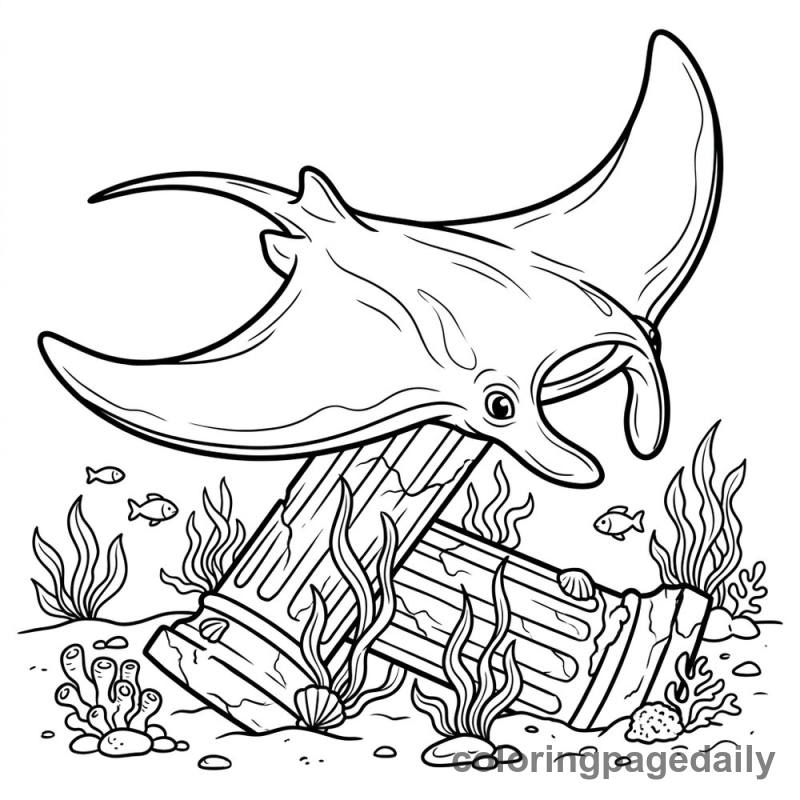
One of the most exciting parts of this coloring collection is the interaction between nature and ancient human artifacts. To make these scenes feel dynamic, try contrasting your coloring strokes. For the smooth, graceful skin of a manta ray, use flat, even shading. Then, when coloring the ancient stone column below it, switch to small, circular motions or lightly tap the crayon to create a rough, weathered, and bumpy appearance.
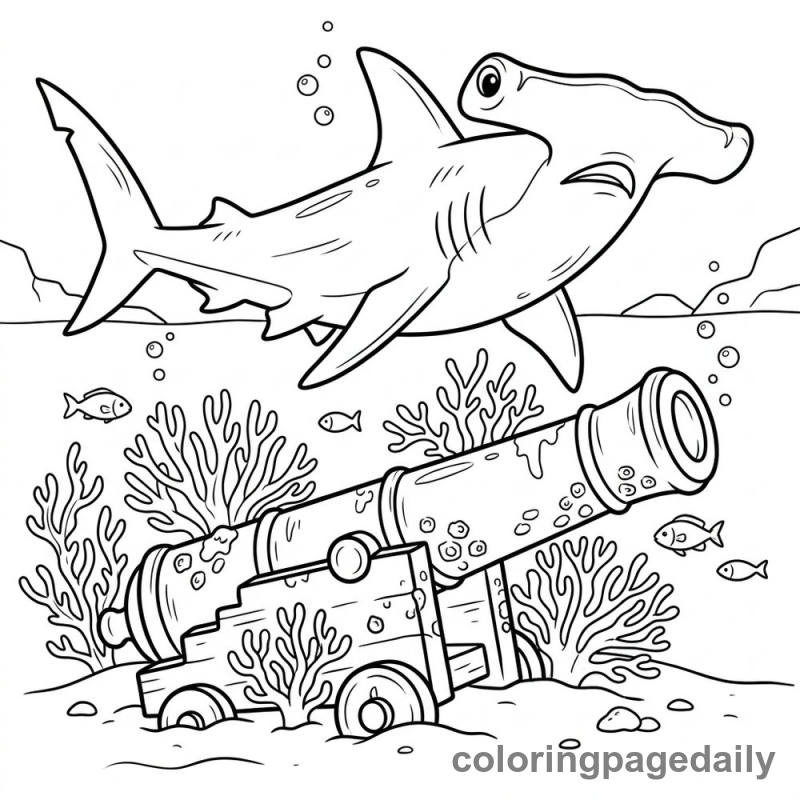
What happens to a ship's iron cannon when it sits on the ocean floor for centuries? It certainly doesn't stay shiny and grey! This is a great opportunity to teach kids a quick science lesson about oxidation. Instead of reaching straight for the grey crayon, try layering browns, oranges, and even tiny flecks of yellow to create a fantastic rusted metal effect. Add some dark green around the base to represent algae and marine plant growth.
Coral reefs are the bustling cities of the sea, and they come in endless shapes and sizes. For branching structures like staghorn coral, try a technique called "stippling"—making tiny dots with markers or the blunt point of a colored pencil. This mimics the porous texture of coral polyps and provides a wonderfully tactile look that contrasts beautifully with a resting seahorse.
Whether your students are sticking to realistic marine biology hues or inventing vibrant, neon underwater worlds, these texture and pattern techniques will bring a whole new level of depth to their masterpieces. Happy coloring!
This article is part of Ocean Wonders & Sunken Treasures — browse all 10 coloring pages
