Welcome spring and celebrate the spirit of eco-friendliness by diving deep into our "Nature's Little Helpers" collection! Coloring is much more than just filling in the blanks; it is a fantastic way for children to develop fine motor skills, practice mindfulness, and explore their artistic boundaries.
If your little artists are ready to take their coloring to the next level, we have put together a fun guide focused on adding amazing textures to our latest nature-themed pages. Here are some kid-friendly techniques to make these adorable animals and mythical creatures pop right off the page.
One of the best ways to practice texture is by coloring rocks and stones.
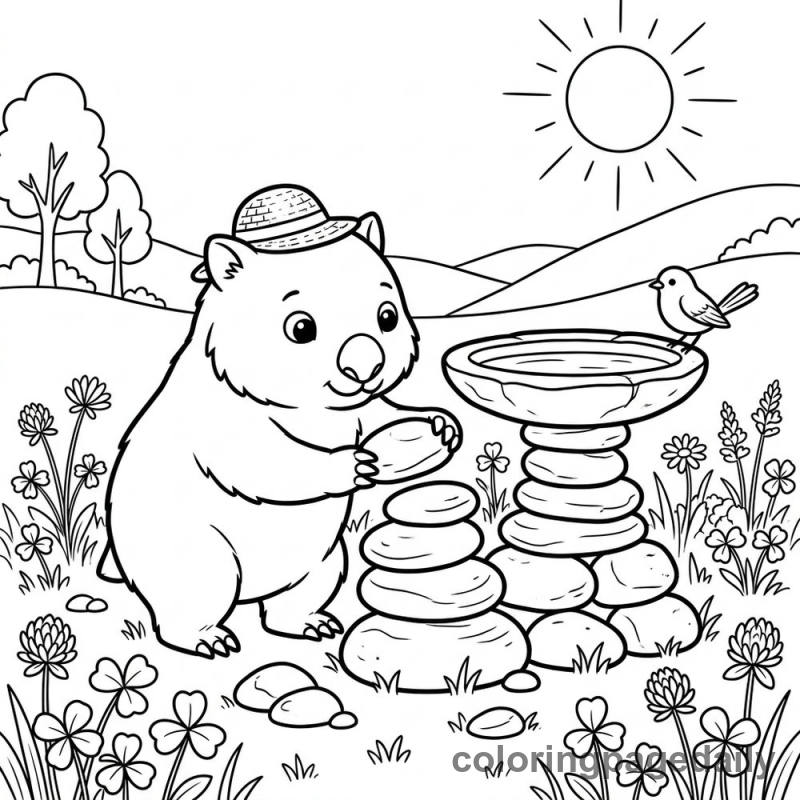
When coloring the wombat's beautiful river stone birdbath, encourage your kids to use a technique called stippling. Instead of coloring with solid, heavy strokes, have them tap the paper gently with the tip of their pencil or marker to create tiny dots. By mixing different shades of gray, light blue, and even a little bit of brown, the stones will suddenly look textured, bumpy, and beautifully realistic!
Upcycling is a huge theme in this collection, and coloring recycled materials is a great creative challenge.
To make the vintage keys in the axolotl’s wind chime look like real, shiny metal, teach your kids the "white space" trick. When coloring the keys with yellows and oranges (for brass) or grays and light blues (for silver), leave a tiny sliver of the paper completely uncolored. This blank white space tricks the eye into seeing a bright reflection or a shiny metallic glint!
Water scenes offer a wonderful opportunity to practice blending colors to create a sense of depth.
For our baby Kraken’s underwater kelp garden, try using the side of a colored pencil rather than the sharp tip. This creates a soft, sweeping background. To show how deep the water is, start by pressing firmly with a dark blue at the bottom of the page, and gradually lighten the pressure as you move to the top, blending into a light, sky blue.
Mixing different types of pencil strokes on a single page is a great way to make a picture look dynamic.
When working on the Fennec Fox, kids can practice drawing short, quick, overlapping strokes to mimic the look of soft, fluffy fur. Then, contrast that by using long, straight, heavy lines to color the twigs and recycled corks of the birdhouse. The difference between the soft fur and the rough wood will make the whole scene stand out.
Grab your favorite coloring supplies, try out these exciting texture techniques, and most importantly, have fun bringing these eco-friendly helpers to life!
This article is part of Nature's Little Helpers — browse all 20 coloring pages
