When children color, they aren't just filling in spaces—they are learning how to observe the world around them. Our Global Culinary Delights collection offers a fantastic opportunity to teach young artists about visual texture. How do you make a flat drawing look crunchy, soft, or sticky?
Grab your favorite crayons and colored pencils! Here are some easy, fun techniques for parents and teachers to help kids make these international dishes look incredibly realistic and deliciously textured.
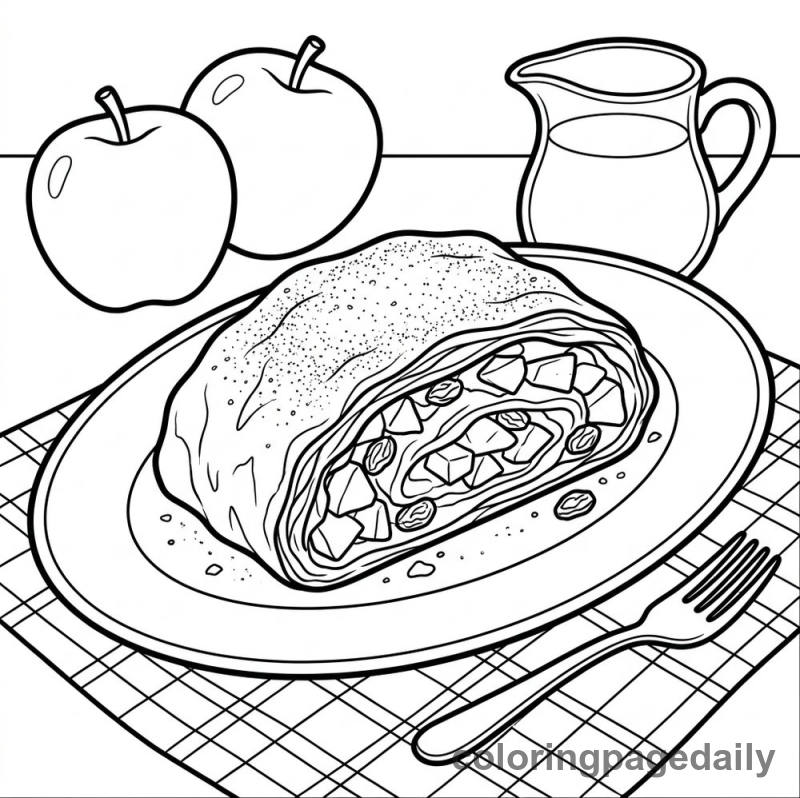
Pastries like the German Apple Strudel are all about those delicate, golden layers. To create a flaky texture, encourage your child to use short, overlapping strokes rather than coloring in one solid block. Start with a light yellow base, then add small dashes of light brown and orange.
Teacher Tip: Notice the dusting of powdered sugar on the strudel? Teach kids the concept of "negative space" by leaving small patches of the paper completely white to represent the sweet sugar coating!
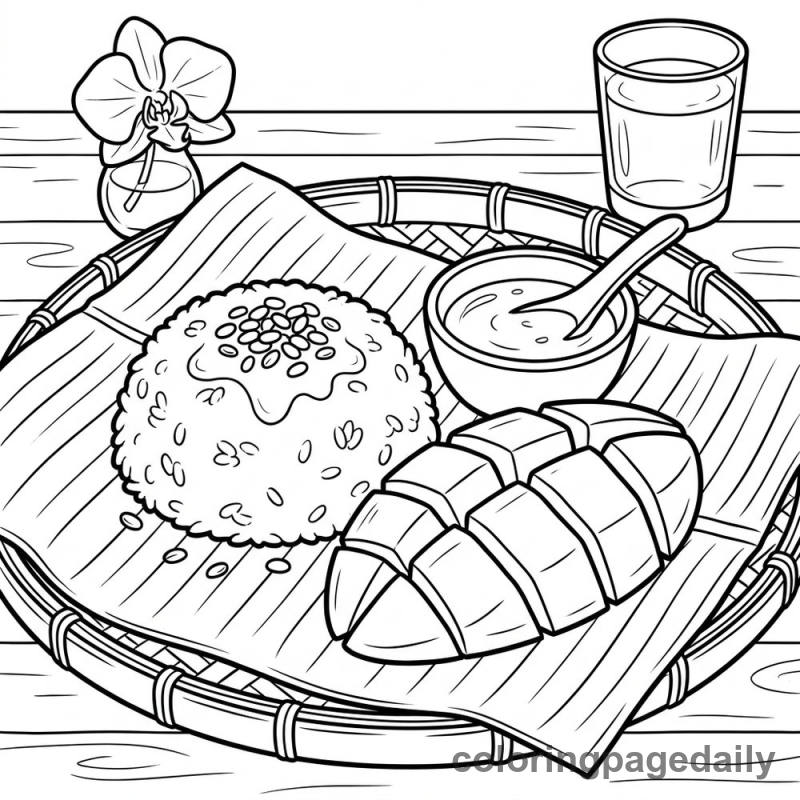
How do you make fruit look juicy and rice look beautifully sticky? The secret is in the highlights! Before your child starts coloring the sliced mango, have them lightly outline a small oval or streak on the fruit. Tell them to color around this shape, leaving it bright white. This creates a "highlight," giving the illusion of a wet, shiny surface reflecting the light. For the sticky rice, a very light blue or pale gray shadow around the edges of the mound will give it a 3D, clumpy texture without making the rice look dirty.
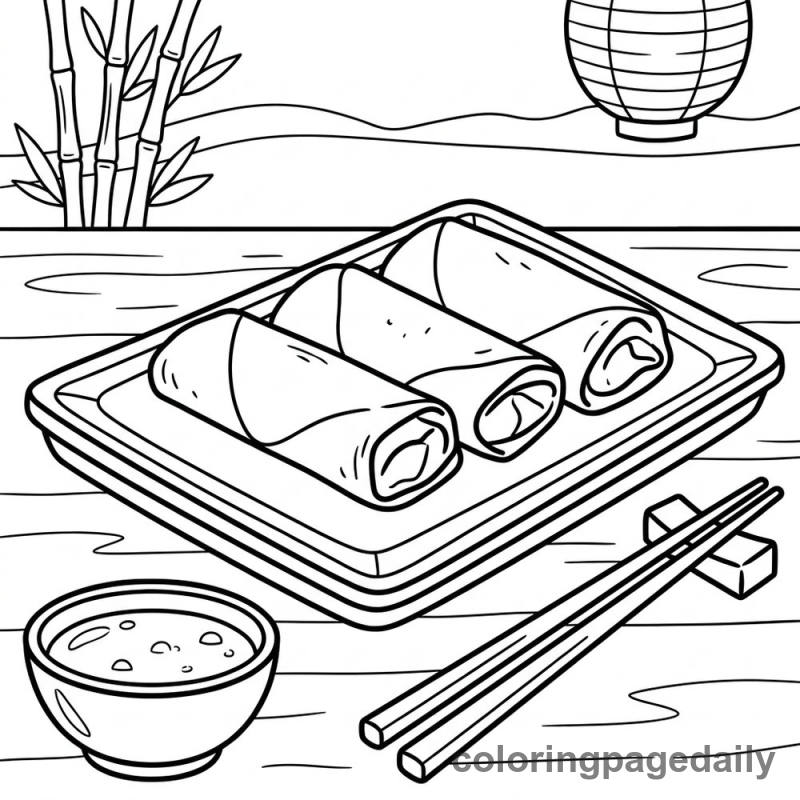
To get that perfectly golden-brown, crunchy appearance of a freshly fried spring roll, introduce your little artists to a technique called "stippling." Stippling involves making tiny dots on the paper. After laying down a solid base color of yellow or light tan, have them gently tap their orange and brown markers or pencils to add a speckled texture. This breaks up the flat color and makes the wrapper look beautifully crispy.
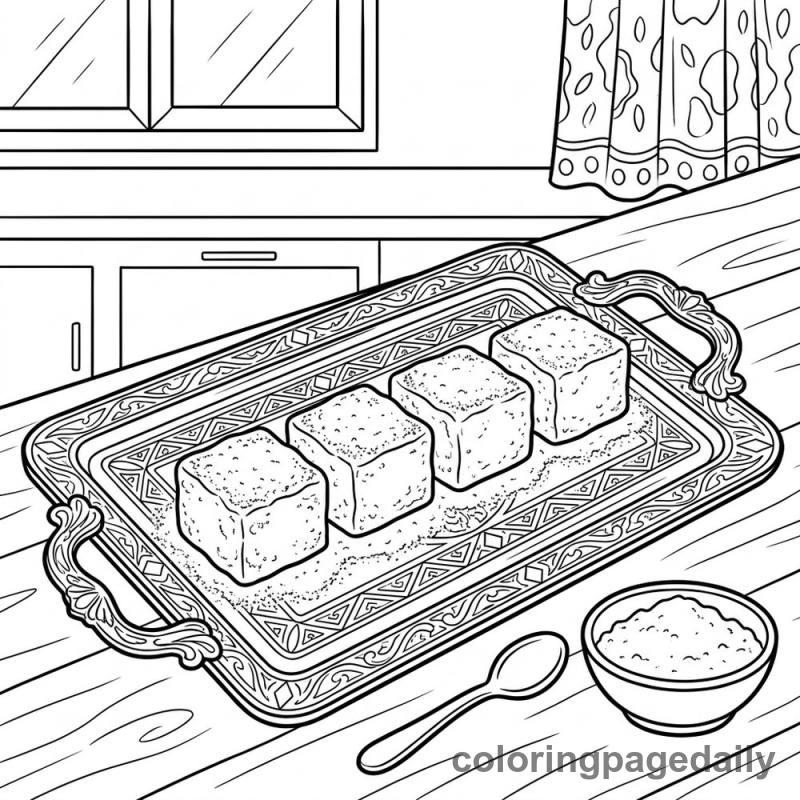
Turkish Delight is famous for its soft, chewy center and heavy coating of icing sugar. To achieve a soft, powdery look, tell your child to hold their crayon or colored pencil at an angle and color using the side of the lead rather than the sharp point. This creates a gentle, cloudy effect with no harsh lines. If you are using chalk pastels, this is a great time to let them gently smudge the colors with their fingertips!
Exploring different coloring techniques not only improves fine motor skills but also helps children think critically about the physical properties of the objects they interact with every day. Next time you sit down for a family meal, ask your child how they might color the food on their plate, and then head over to our collection to put those skills to the test!
This article is part of Global Culinary Delights — browse all 23 coloring pages
