Have you checked out the newest additions to our Global Culinary Delights collection? We are thrilled to share a fresh batch of international treats ready for your child’s creative touch! This latest update brings savory snacks and sweet desserts from Europe, Asia, and beyond right to your coloring table.
While coloring these delicious dishes is a fantastic way to introduce kids to world cultures, it also presents a wonderful artistic challenge: capturing food textures. Here are some fun, educational coloring tips to help your little artists make these new pages look good enough to eat!
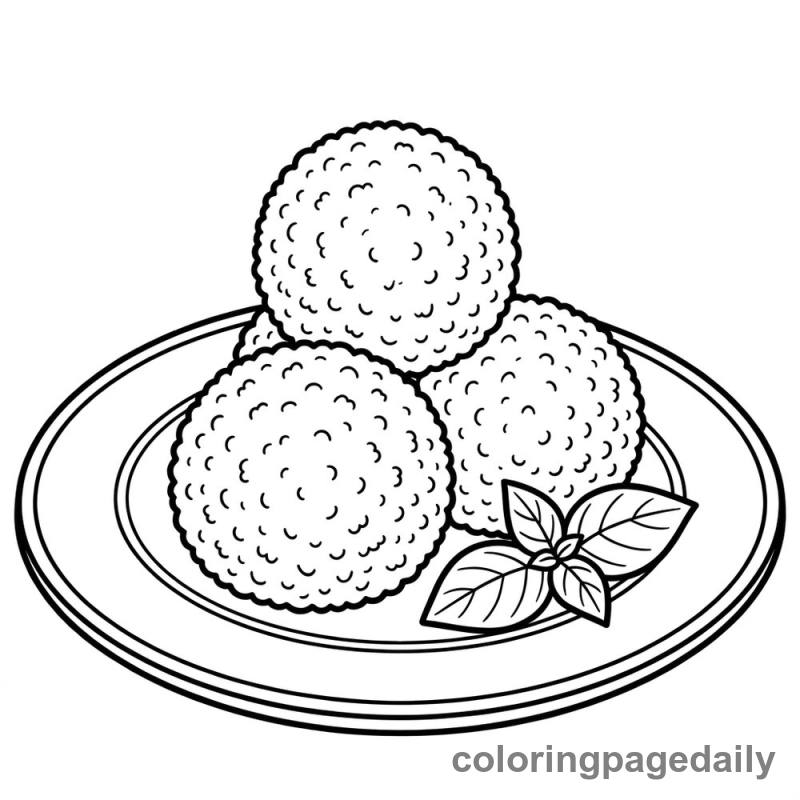
Our new Italian Arancini Rice Balls page features perfectly round treats that are famously crispy on the outside. To recreate that fried, breadcrumb coating, teach your children a technique called "stippling." Instead of coloring with broad, flat strokes, have them tap the paper with the tip of their crayon or marker to create hundreds of tiny dots. Layering different shades of golden yellow, light brown, and a touch of orange using this dotting method will give the arancini a wonderfully crunchy appearance!
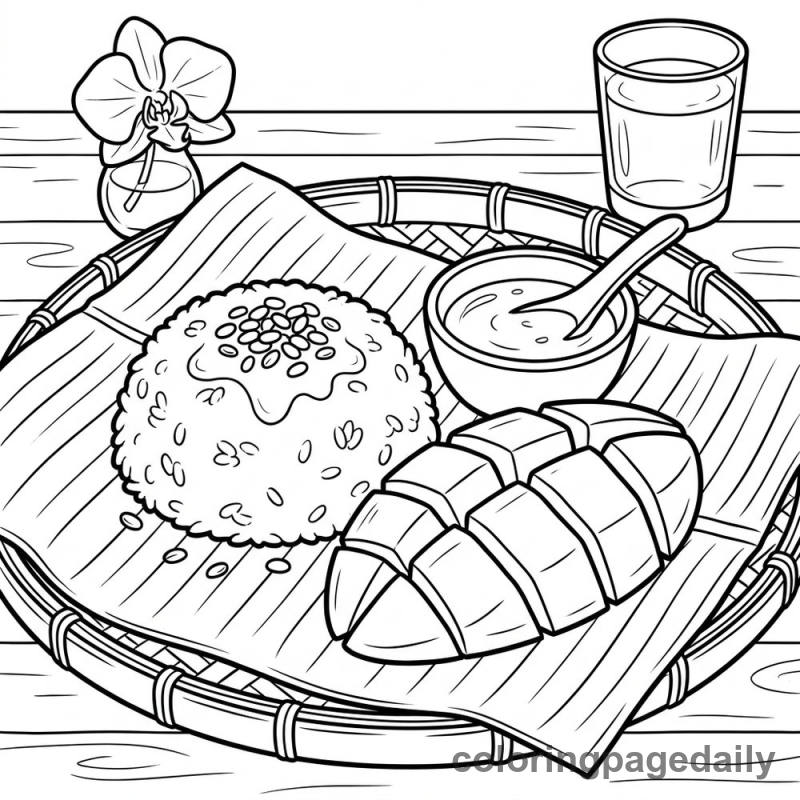
The Thai Mango Sticky Rice page is all about contrasting textures. The freshly sliced mango is naturally smooth and glossy. Kids can achieve this look by pressing firmly with bright yellow and orange crayons to create a solid, waxy finish. For the neat mound of sticky rice underneath, they can use light, overlapping circular motions with a soft white or cream pencil, adding slight grey shadows near the bottom to make the rice look plump and properly sticky against the vibrant green banana leaf.
Our Pleated Chinese Soup Dumplings (Xiaolongbao) are nestled perfectly in a round bamboo steamer. The beautiful twists at the top of each dumpling are a great way to practice shading. Encourage your young artists to color the dumplings lightly at first, and then go back with a slightly darker shade—like a light grey or tan—just inside the lines of the folds. This simple shadowing technique creates a 3D effect, making the dumplings look delightfully round and full of warm soup.
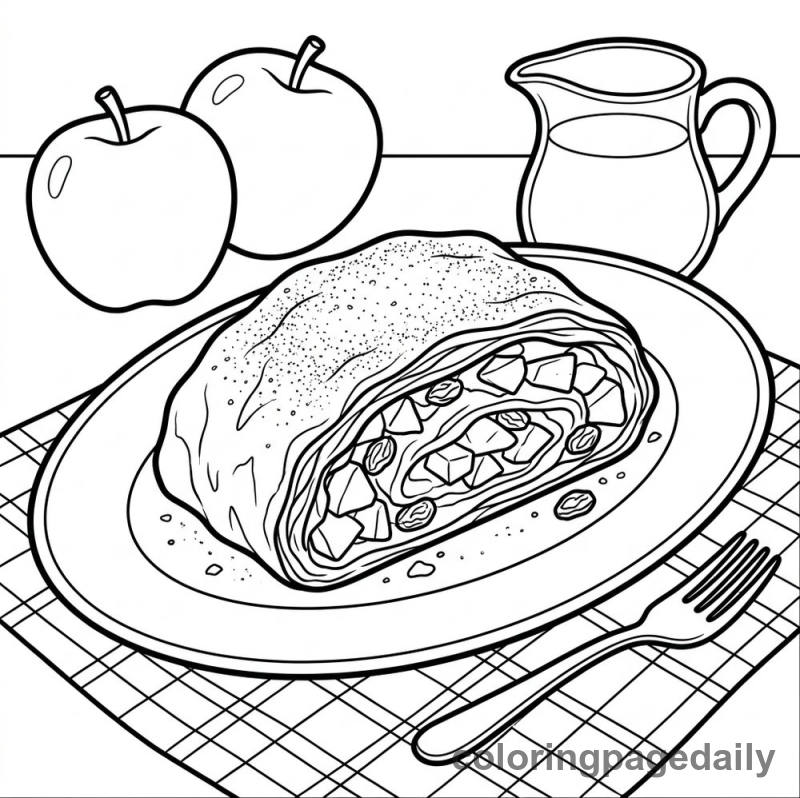
Finally, the German Apple Strudel Slice brings the exciting challenge of flaky pastry layers and powdered sugar. To make the pastry look delicate and flaky, use quick, horizontal strokes with varying pressures of brown and gold. But what about the powdered sugar? This is the perfect time to teach the concept of "negative space." Kids can leave tiny patches of the paper completely uncolored to represent the white sugar, or they can lightly color the background plate and pastry first, then use a white crayon firmly over the top to create a dusting effect.
Grab your favorite coloring supplies and head over to the collection to try out these tasty texture techniques today!
This article is part of Global Culinary Delights — browse all 23 coloring pages
