We are thrilled to announce a brand-new update to our "Taste of the World" collection! We've just added a mouth-watering variety of traditional dishes and sweet treats from across the globe. From savory dumplings to sugary pastries, these new illustrations offer a fantastic opportunity for young artists to practice specific coloring techniques.
Food illustration is a wonderful way for children to learn about texture, light, and shadow. Because foods come in so many different finishes—crispy, soft, sugary, and glossy—they require different coloring strategies to look truly delicious. Here are some fun coloring tips to share with your little artists as they tackle our latest culinary updates!
Many traditional foods feature deliciously crispy or flaky dough.
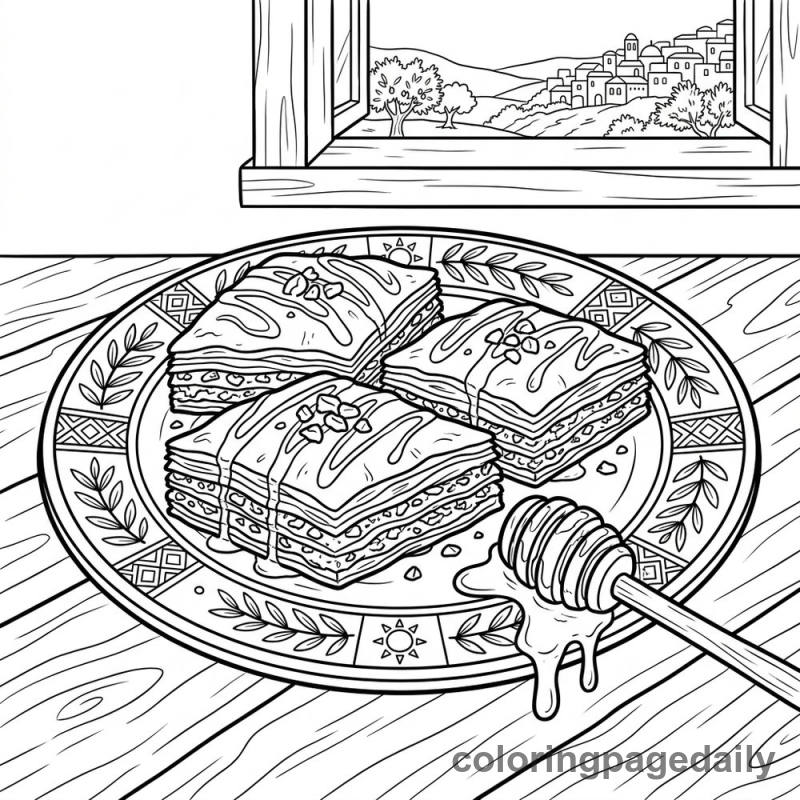
Take our new Greek Baklava or the traditional Indian Samosas, for example. To capture that flaky, baked-to-perfection look, encourage children to use a technique called layering.
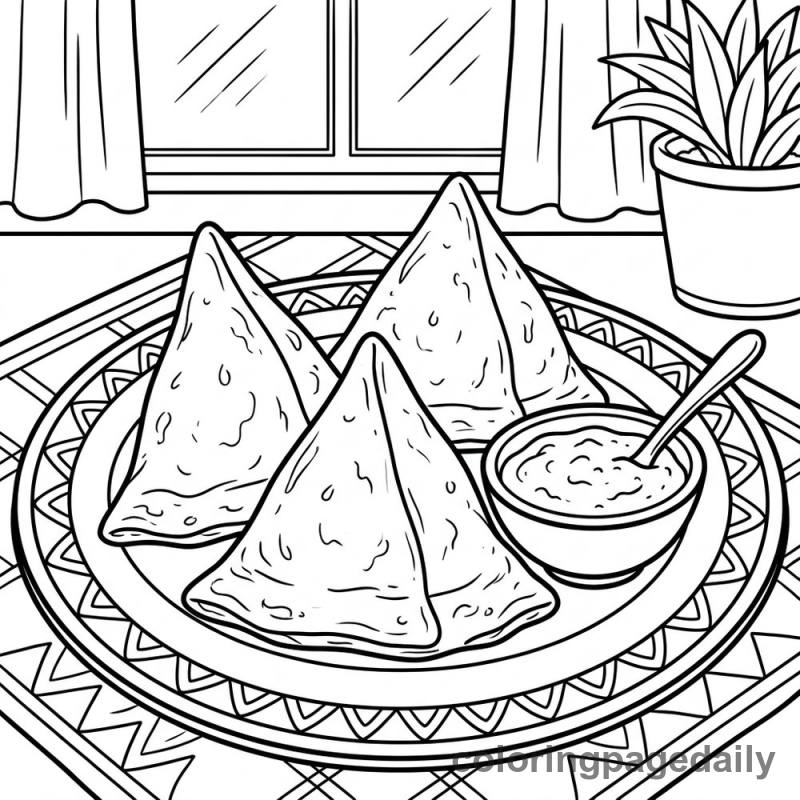
Start with a light base color, like a pale yellow or cream. Then, use a light brown or golden orange crayon to add small, gentle strokes over the top, concentrating on the edges where a pastry would naturally brown in the oven. Using small, uneven strokes rather than coloring in one solid block helps mimic the delicate, shattered layers of phyllo dough or fried crusts.
How do you color something that is mostly white, like traditional Chinese steamed buns?
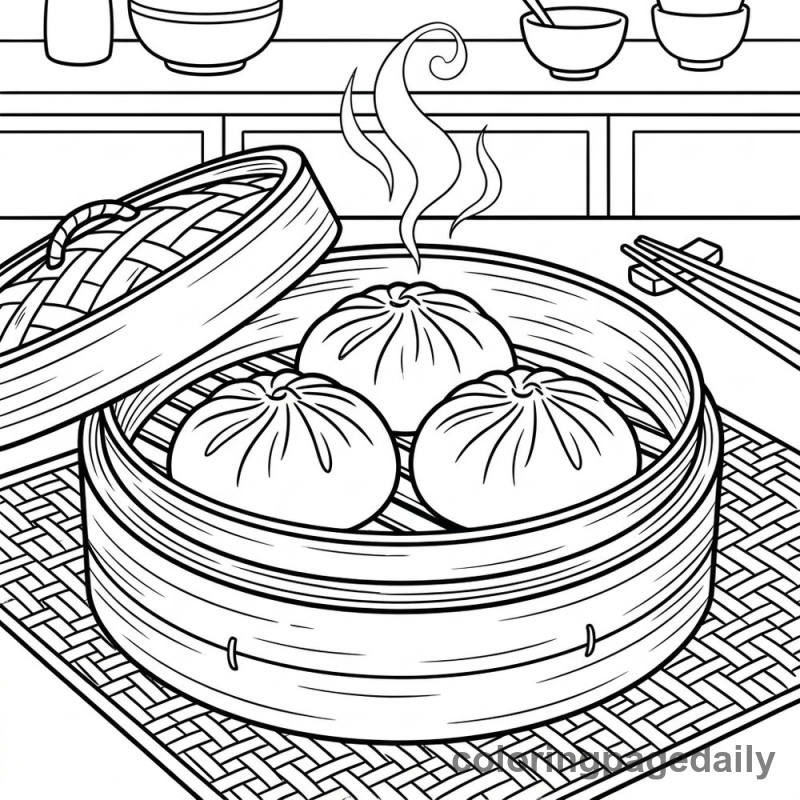
This is a great lesson in shading. Instead of leaving the paper completely blank, show your kids how to use a very soft gray or a pale, icy blue colored pencil to lightly trace the lines of the pleats. Adding just a hint of shadow in the crevices of the bun makes the dough look round, soft, and three-dimensional. They can also focus their bright colors on the bamboo steamer basket to make the white buns pop by contrast!
Sometimes, the magic is in the toppings! Our new Mexican Churros and Swedish Cinnamon Knot Buns are perfect for practicing tiny details.
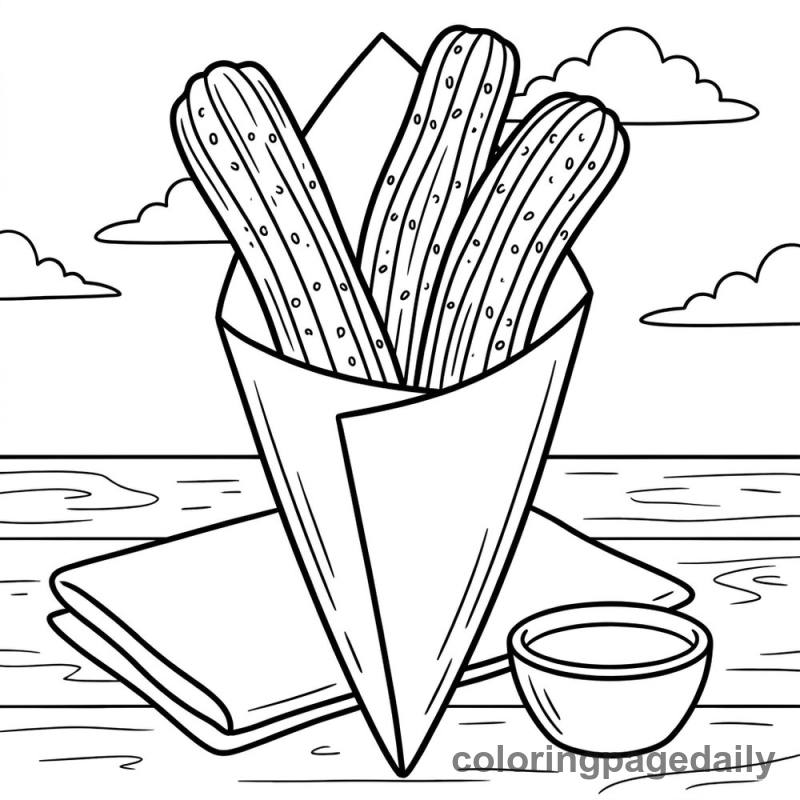
To make the sugar grains on the churros stand out, try a technique called stippling. Have your child tap the tip of a dark brown, black, or even a sparkly gel pen against the paper to create tiny dots representing cinnamon and sugar crystals.
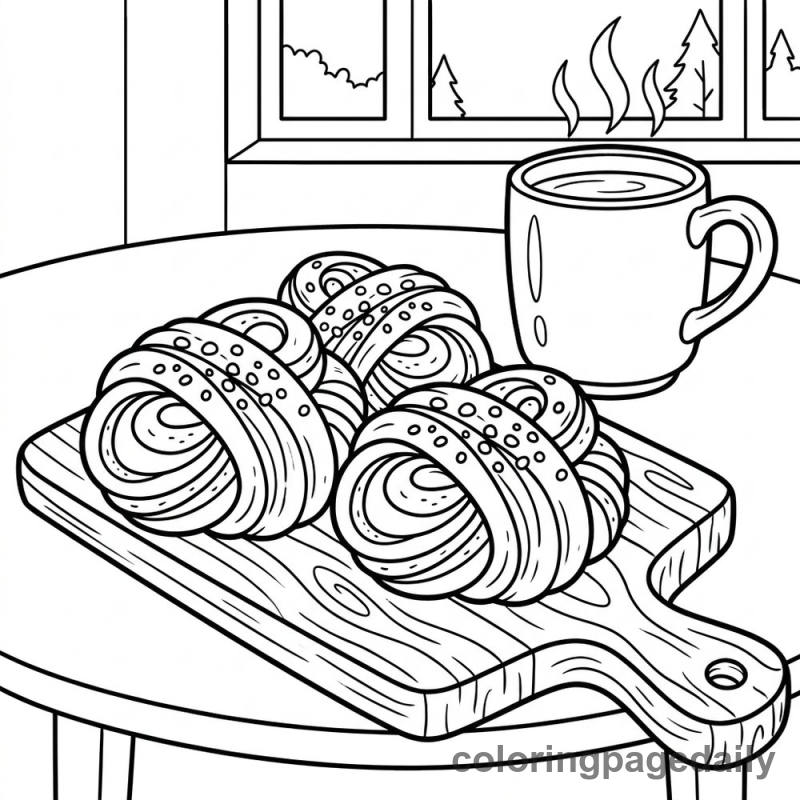
For the cinnamon knots, tracing the swirling lines with a darker brown before coloring the rest of the bun with a lighter tan will help those delicious spice ribbons stand out.
Finally, let’s talk about glossy finishes.
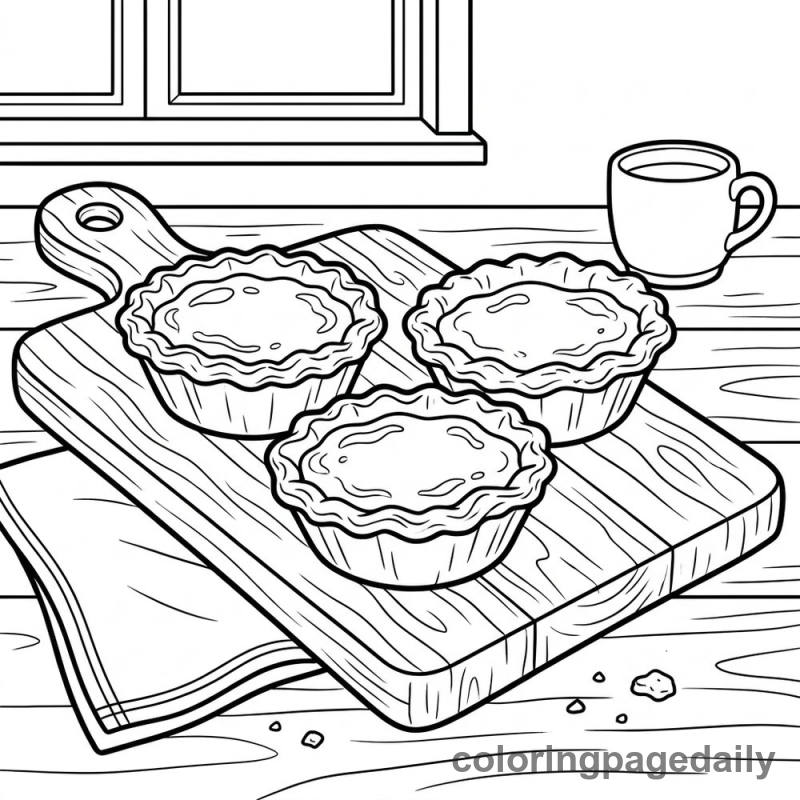
Canadian Butter Tarts are known for their gooey, syrupy centers. To make a liquid or syrup look shiny and wet, the secret is leaving white space. Instruct your little artists to leave a small dot or a thin, curved line of pure white paper uncolored near the center of the tart's filling. This acts as a "highlight," tricking the eye into seeing a reflection of light bouncing off a sticky, sweet surface.
Grab your crayons, colored pencils, or markers, and let your culinary creativity run wild. Happy coloring, and bon appétit!
This article is part of Taste of the World: Traditional Foods — browse all 23 coloring pages
