Food is a universal language, and for children, it is a fantastic gateway to learning about world cultures, history, and geography. While your little ones are busy adding vibrant hues to our "Taste of the World: Traditional Foods" coloring pages, you can serve up some fascinating bite-sized educational facts.
Engaging children with the stories behind the foods they are coloring transforms a simple art activity into a rich, multidisciplinary learning experience. Here are some fun, verifiable food facts from around the globe to share during your next classroom art session or rainy day activity at home.
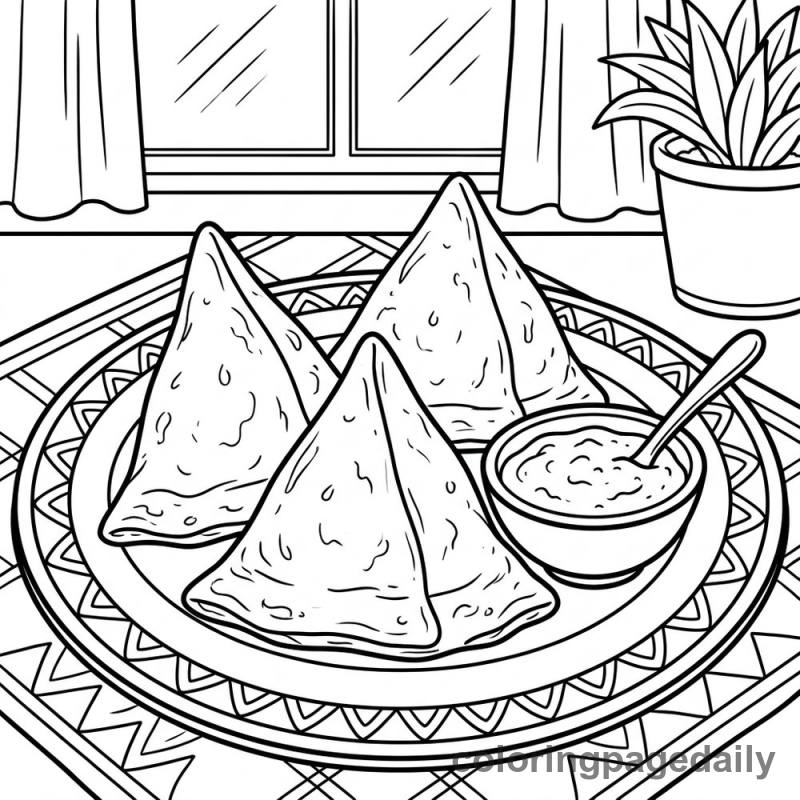
While samosas are iconic in Indian cuisine, their story actually begins thousands of miles away! These crispy, savory pastries originated in the Middle East, where they were historically known as sanbusak. Traveling merchants and scholars brought the recipe along ancient trade routes to India during the 13th and 14th centuries. As children color the flaky crusts, ask them to trace a path from the Middle East to India on a world map, exploring how recipes migrate and evolve over time.
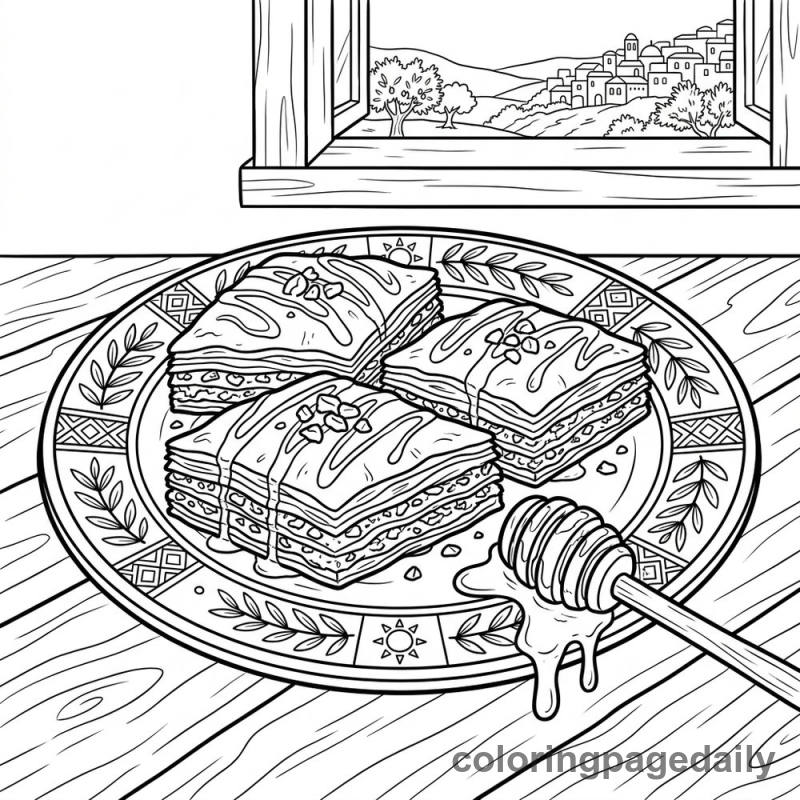
Baklava is a beloved sweet treat across the Mediterranean and Middle East. When coloring the intricate layers of Greek baklava, you can share a fun vocabulary fact: the word phyllo (the paper-thin dough used to make the pastry) translates directly to "leaf" in Greek. Bakers must stretch the dough so thinly that you can almost read a newspaper through it! This is a great opportunity to talk about the physical properties of food and how baking is both an art and a science.
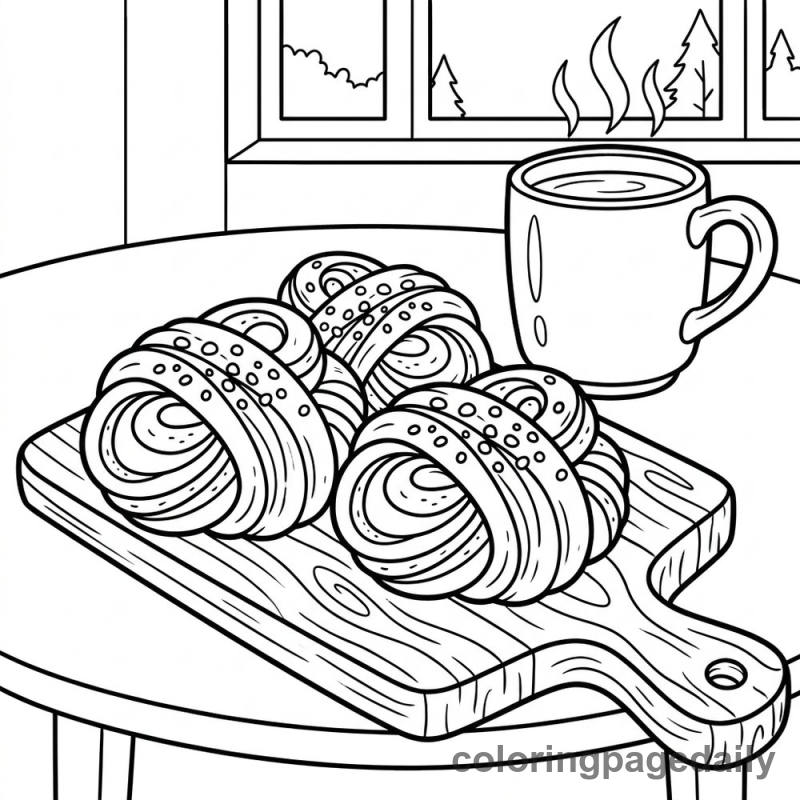
In Sweden, eating a cinnamon knot bun (kanelbulle) isn't just a quick snack; it's part of a cultural institution called fika. Fika is a dedicated time of day to pause, connect with friends or family, and enjoy a warm beverage with a sweet treat. The tradition is so cherished that Sweden even celebrates National Cinnamon Bun Day every October 4th! Teachers can use this cultural concept to introduce mindful breaks or social-emotional learning moments in the classroom.
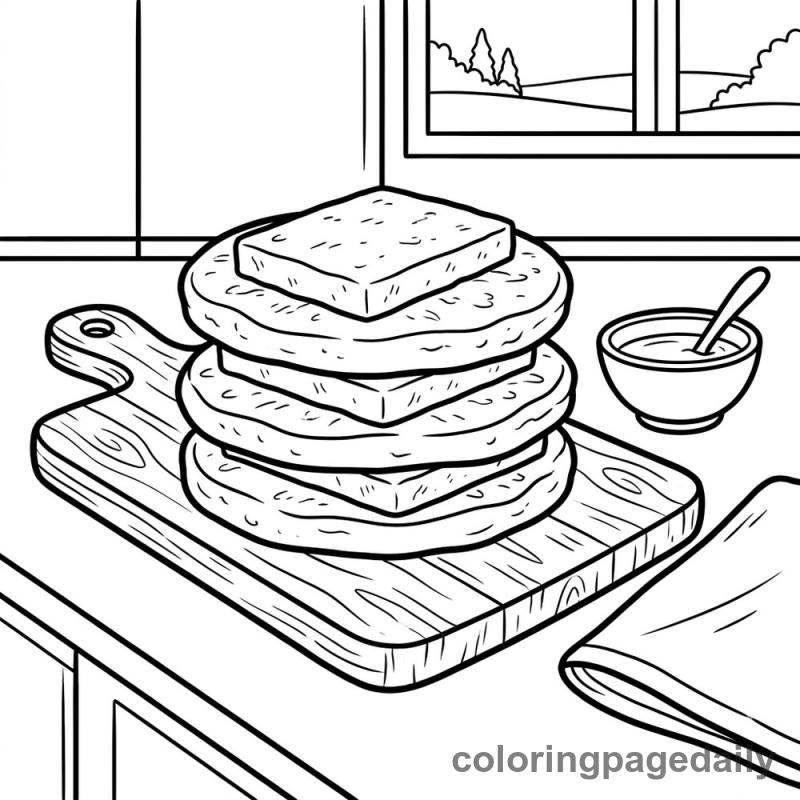
Venezuelan cachapas are thick, sweet pancakes made from fresh ground corn. Corn (or maize) is one of the most historically significant crops in the world. Domesticated by Indigenous peoples in the Americas nearly 10,000 years ago, it remains a cornerstone of Latin American cuisine today. Discussing the agricultural history of maize can seamlessly tie into lessons about Indigenous cultures, early farming practices, and plant life cycles.
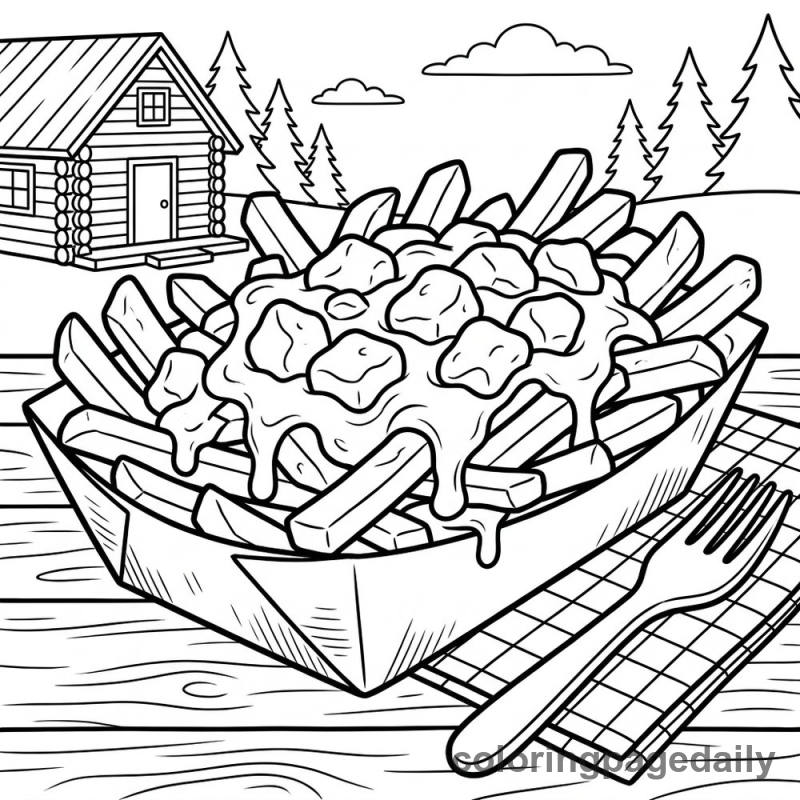
Not all traditional foods are ancient! Poutine—a hearty combination of french fries, cheese curds, and hot gravy—was invented in rural Quebec in the late 1950s. According to culinary lore, the dish was created when a customer asked a restaurateur to put cheese curds on his fries, prompting the owner to exclaim that it would make a "maudite poutine" (Quebecois slang for "a dreadful mess"). Today, it is recognized globally as Canada's unofficial national dish.
Next time you print out a food-themed coloring page, remember that you are also printing a passport to a new country. By weaving these historical and cultural facts into coloring time, you help children develop a broader, more delicious perspective of the world around them!
This article is part of Taste of the World: Traditional Foods — browse all 23 coloring pages
