Summer vacation isn't just about fun in the sun—it is a fantastic time for children to learn about the natural world around them! As your little ones dive into our Sunny Summer Vacation coloring collection, you can use their coloring time to share fascinating educational facts about the beach, ocean life, and classic summer activities. Here are a few engaging science and nature facts to pair with our coloring pages.
Have you ever wondered where ocean waves come from? Most ocean waves are created by wind blowing across the surface of the water. The friction between the air and the water transfers energy, creating the rolling swells surfers love to ride.
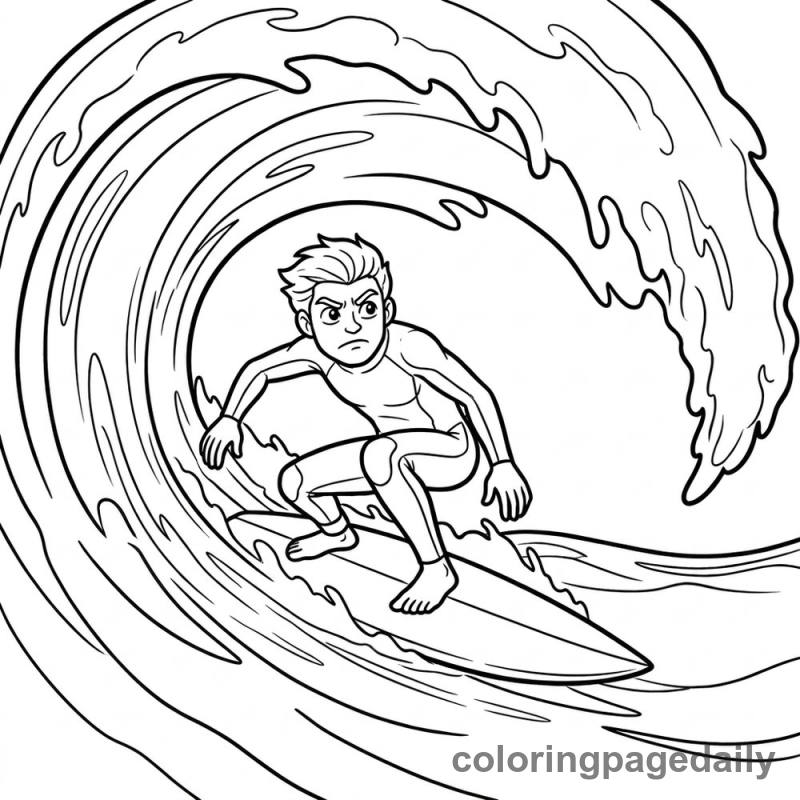
As the wind blows, it creates ripples that eventually grow into massive waves. When these waves reach the shallow water near the beach, the bottom of the wave drags on the sand and slows down. The top of the wave keeps moving fast, causing it to topple over or "break" onto the shore.
Sea turtles are ancient mariners that have been swimming in our oceans for over 100 million years, meaning they shared the Earth with the dinosaurs!
Unlike land turtles, sea turtles cannot pull their heads and limbs inside their shells for protection. They also have an incredible sense of direction. Female sea turtles use the Earth's magnetic field to navigate across thousands of miles of ocean to return to the exact beach where they were born to lay their own eggs.
If you are exploring tide pools this summer, you might spot a scurrying hermit crab. Did you know that hermit crabs don't grow their own shells?
These fascinating crustaceans have soft, vulnerable abdomens and must borrow empty seashells left behind by sea snails to protect themselves. As the crab grows, its shell becomes too tight, so it has to find a larger shell and quickly move into its new home. Sometimes, hermit crabs even form "vacancy chains" where multiple crabs line up by size to swap shells all at once!
Flying a kite is a quintessential summer beach activity. Kites were invented in China over 2,000 years ago. While today they are mostly for fun, scientists and inventors like Benjamin Franklin and the Wright brothers used kites to study weather, electricity, and aerodynamics.
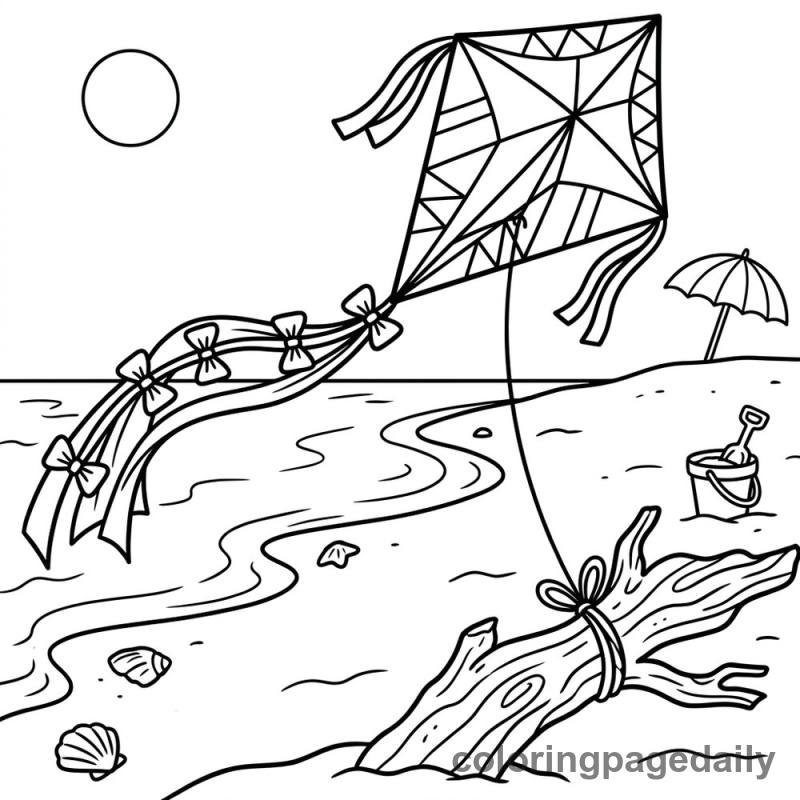
The beach is the perfect place to fly them because the lack of trees and buildings allows for a steady, smooth coastal breeze. The wind catches the kite's surface, creating "lift" that pushes it high into the sky.
Keep an eye out for pelicans floating on the waves or diving into the ocean! Brown pelicans can dive from up to 60 feet in the air to catch fish.
They use their large throat pouch, called a gular pouch, like a giant fishing net to scoop up fish and water. Contrary to popular cartoons, they don't use this pouch to store food for long periods. Once they catch their prey, they tip their heads forward to drain gallons of water out before swallowing the fish whole.
Next time your students or children sit down with their crayons to color these warm weather scenes, share these fun facts with them. It is a wonderful way to combine artistic creativity with science and nature education!
This article is part of Sunny Summer Vacation — browse all 20 coloring pages
