Welcome back to our Sports & Athletics Champions collection! While we love celebrating raw speed and high-flying jumps, sports are also deeply rooted in collaboration, discipline, and the joy of a hard-earned victory. Today, we are sharing some creative coloring tips to help parents and teachers guide children in bringing these nuanced athletic moments to life.
Whether your little artists are coloring a fast-paced team sport or a quiet moment of martial arts respect, these techniques will add depth and excitement to their masterpieces.
Team sports rely on perfect timing and communication. When coloring events that involve multiple athletes, you can use color theory to draw the eye to the most important part of the action.
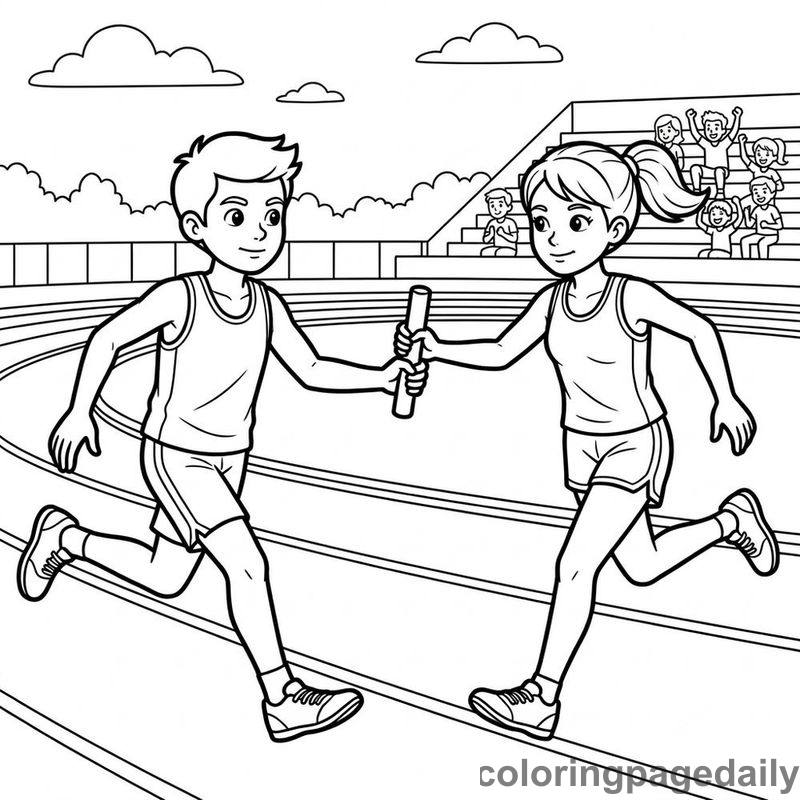
For the relay race page, the baton is the center of attention. Have your students color the athletes' uniforms in matching, unified tones to show they are on the same squad. Then, make the baton stand out by using a high-contrast, bright color like neon yellow, metallic silver, or bold crimson. This teaches children how to use focal points in their artwork.
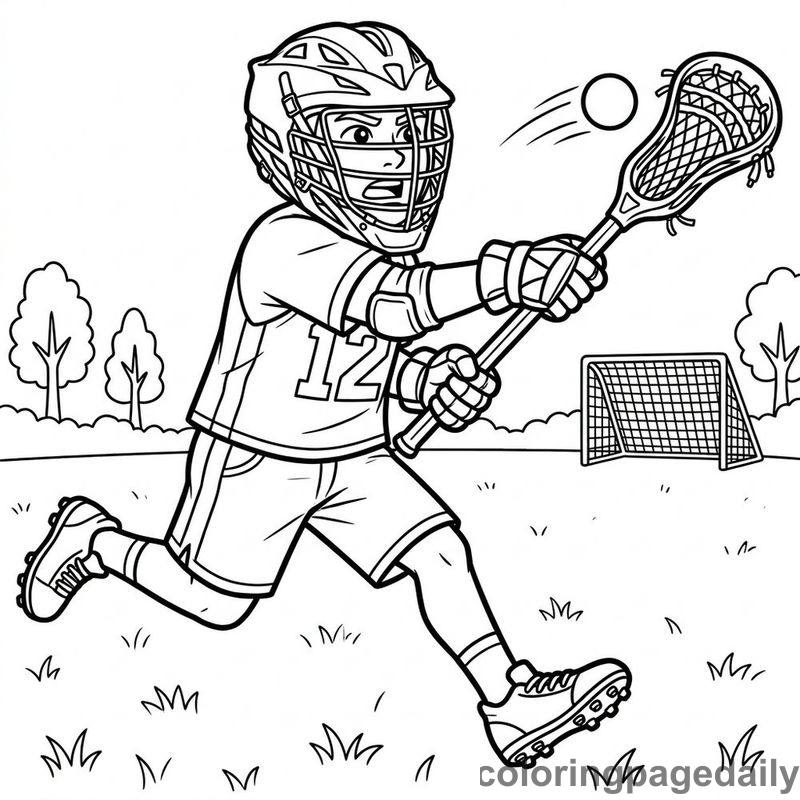
Similarly, for our lacrosse player, the net and the ball are key elements. Try using short, upward strokes with varying shades of green for the grass. This technique gives the field a textured, energetic look that matches the fast-paced nature of the mid-stride catch!
Martial arts are fantastic for teaching kids about boundaries, respect, and tradition. The environment where these sports take place is just as important as the athletes themselves.
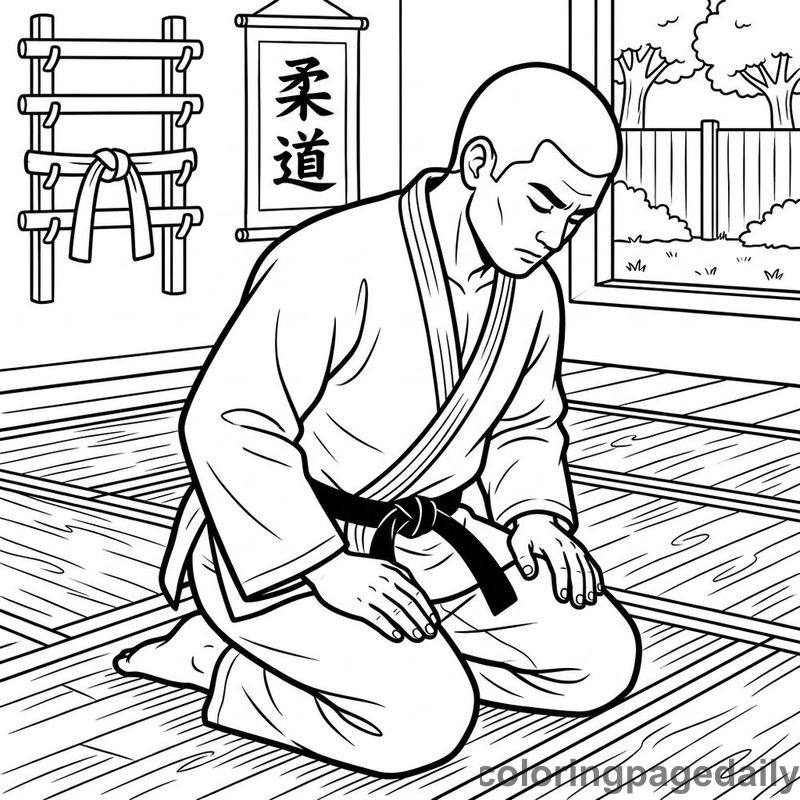
When coloring the judo athlete bowing, focus on the traditional tatami mat. Instead of coloring the floor a solid yellow or green, encourage kids to try a "cross-hatching" technique. By drawing light, intersecting lines with pale greens and straw yellows, they can mimic the authentic woven texture of traditional Japanese flooring. It’s a great fine-motor exercise that adds incredible detail to the scene.
Finally, let's talk about capturing the environment and the sheer weight of a triumphant moment.
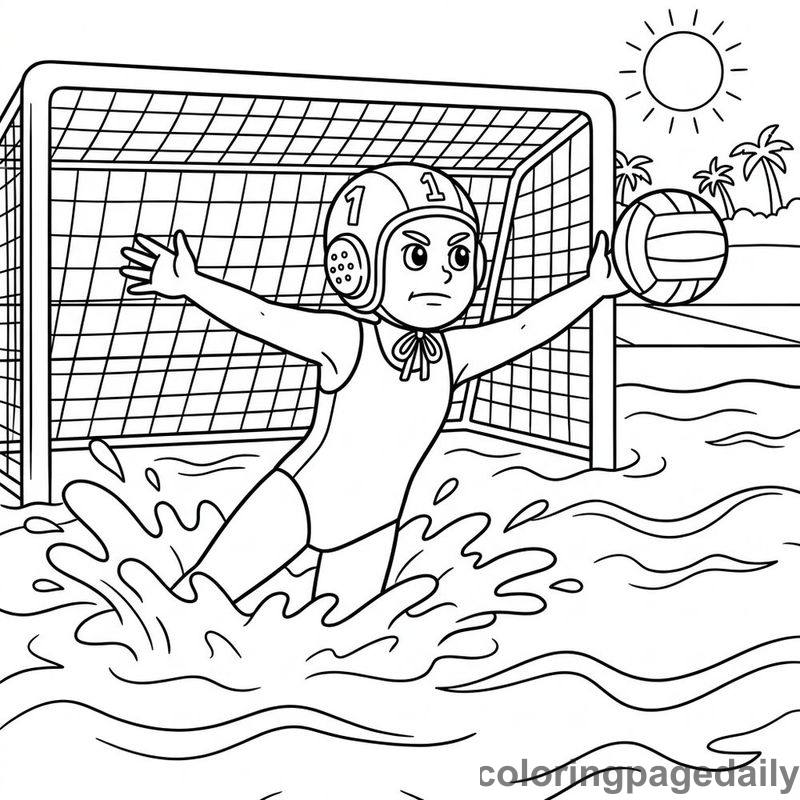
Water polo is an incredibly demanding sport, and the splashing water is half the fun to color! To make the water look dynamic and wet, tell your young artists not to color the whole pool a single flat blue. Instead, they should mix light blue and teal, deliberately leaving white spaces near the athlete's waist and hands. These uncolored gaps will look just like realistic seafoam and flying water droplets.
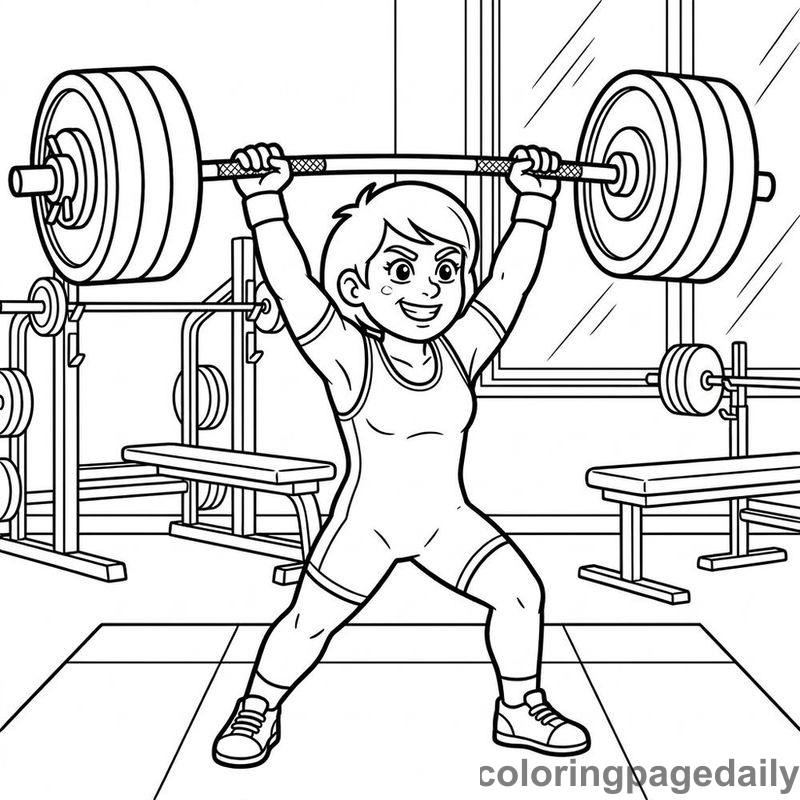
For the triumphant weightlifter, coloring the heavy barbell is a great opportunity to practice metallic effects. By blending dark grays and blacks with a tiny smudge of light blue or white in the center of the weight plates, kids can create a shiny, heavy metallic illusion that makes the lifter's triumph look even more impressive.
Grab your crayons and colored pencils, and let these tips inspire a whole new level of creativity in your classroom or living room!
This article is part of Sports & Athletics Champions — browse all 18 coloring pages
