Welcome back to our coloring community! We are thrilled to announce a fresh batch of updates to our beloved "Playful Prehistoric Pals" collection. While our previous updates focused on dinosaur textures and fascinating species facts, this month we are highlighting how our dino friends interact with the beautiful prehistoric nature around them.
These new additions are perfect for engaging your children or students in conversations about the ancient environment, from towering cycad trees to fascinating prehistoric insects.
Our latest pages feature some of the gentlest giants interacting with the smaller creatures of their world.
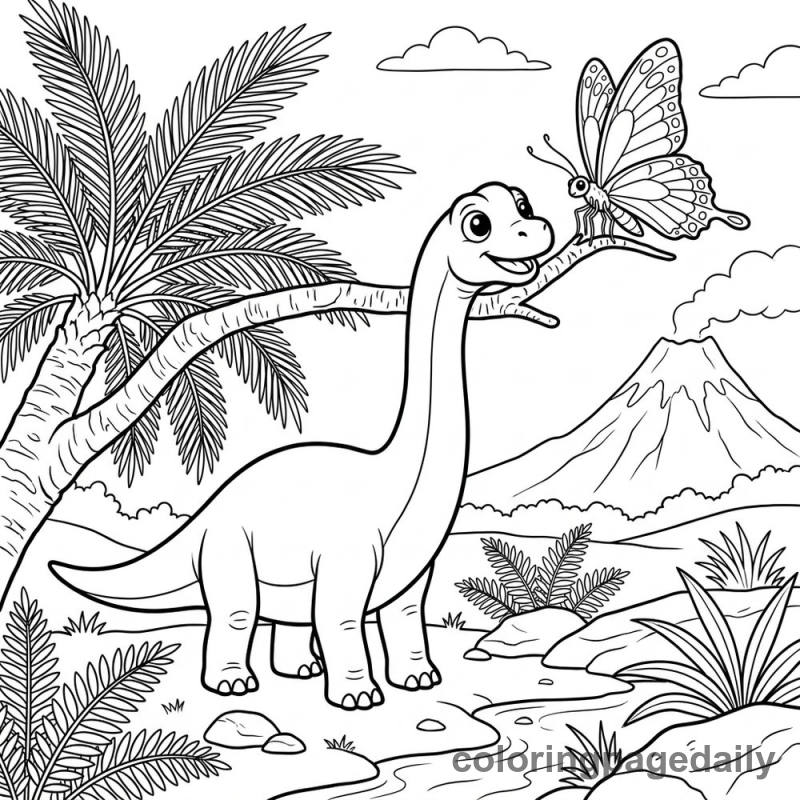
Did you know that some of the earliest ancestors of modern butterflies and moths fluttered through the forests alongside the dinosaurs? Our new page featuring a baby Brachiosaurus admiring a delicate butterfly is a wonderful way to introduce kids to the idea that dinosaurs shared their habitats with insects we still see today.
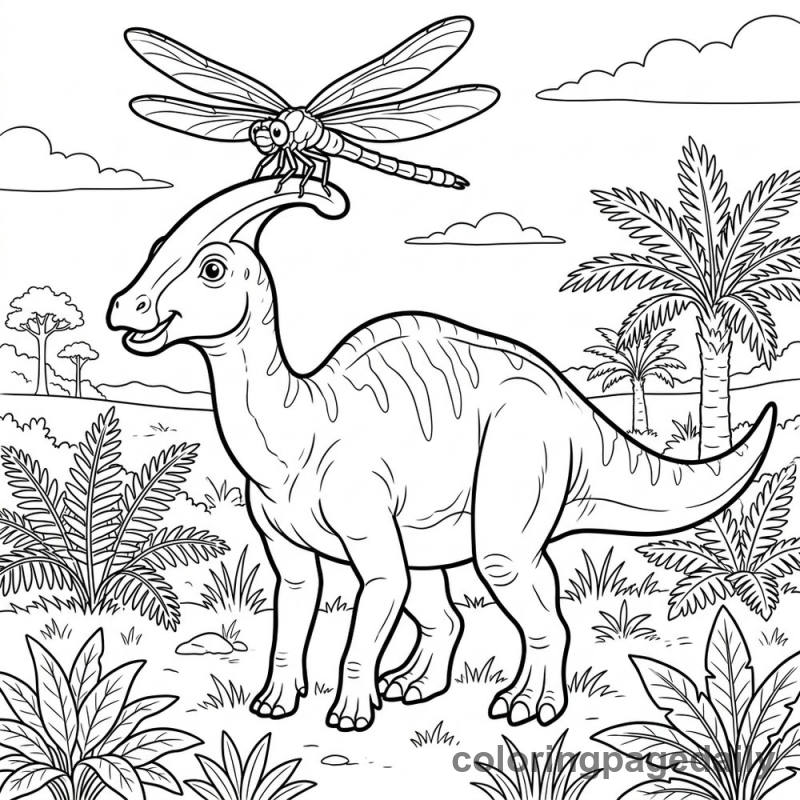
Speaking of flying friends, kids will absolutely love the Parasaurolophus balancing a giant prehistoric dragonfly on its head! While they color, you can share a fun educational fact: Paleontologists believe the Parasaurolophus used its long, hollow crest to make loud, trumpeting sounds to communicate with the rest of its herd across long distances.
We’ve also added some playful scenes featuring our favorite armored dinosaurs getting creative with plants.
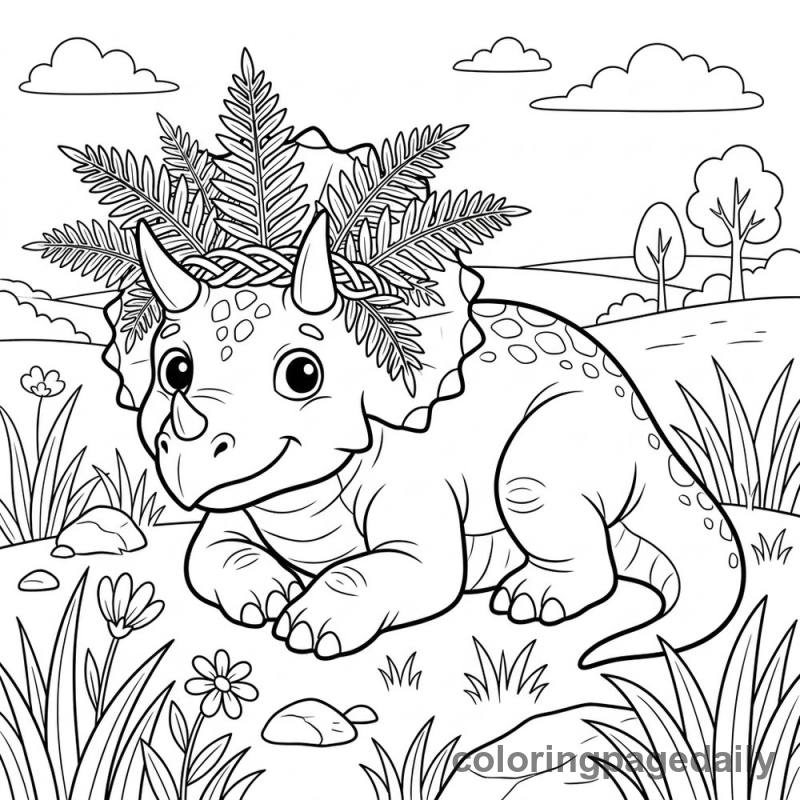
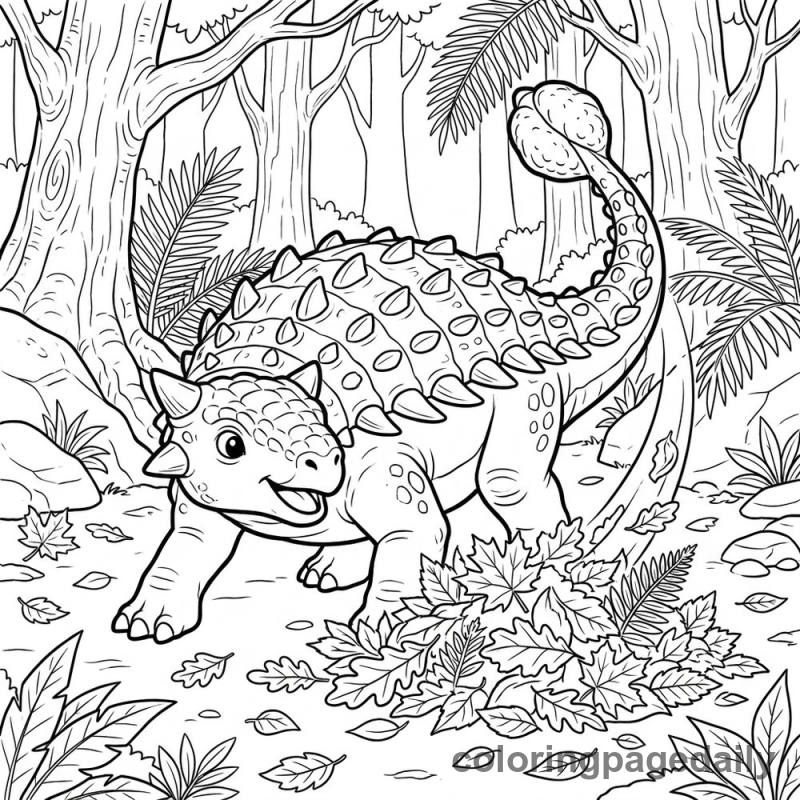
From a Triceratops showing off a stylish fern crown to a sturdy Ankylosaurus doing some prehistoric yard work with its club tail, these scenes are guaranteed to bring a smile to your little artists' faces.
Since we've already covered how to color dinosaur scales and skin, let's focus on making these new lush, natural backgrounds truly pop! Here are a few tips to share with your young artists to build their coloring skills:
* Blend a Prehistoric Sky: Instead of using a single flat blue for the sky, encourage kids to practice color blending. Start with a light yellow or soft orange near the horizon line, and gently blend it up into a light blue at the top of the page. This creates a beautiful, warm prehistoric sunrise! * Layer Those Greens: The Mesozoic era was filled with lush, green vegetation. Teach your students to use two or three different shades of green for the cycads and ferns. Using dark green for the leaves in the back and a brighter, yellow-green for the leaves catching the sunlight adds wonderful depth to the picture. * Add "Motion Lines" for Action: For dynamic pages like the Ankylosaurus sweeping leaves, show kids how to draw faint, swooping pencil lines behind the flying leaves. This simple illustrator's trick makes the picture feel like it's right in the middle of the action!
Grab your favorite crayons, colored pencils, or markers, and head over to the collection to print these new playful prehistoric scenes today!
This article is part of Playful Prehistoric Pals — browse all 24 coloring pages
