Coloring together is a fantastic opportunity to bond with your little ones, but it’s also a perfect time to sneak in some fun, educational learning! The "Playful Prehistoric Pals" collection features an array of gentle giants going about their day. As your kids bring these pages to vibrant life, share these amazing, kid-friendly dinosaur facts to spark their curiosity about the prehistoric world.
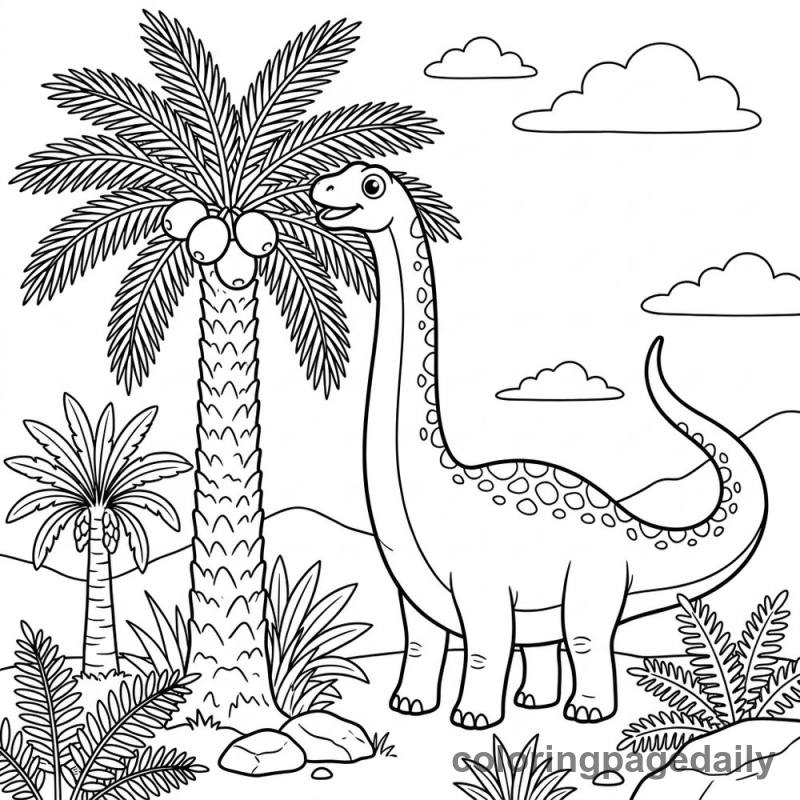
Did you know that the mighty Diplodocus didn't chew its food? Instead of flat grinding teeth like modern cows or horses, this massive dinosaur had peg-like teeth at the very front of its mouth. It used them like a garden rake to strip leaves off branches, swallowing them completely whole! To help digest all those tough plants, they would swallow small stones called gastroliths, which tumbled around to grind up the food inside their stomachs.
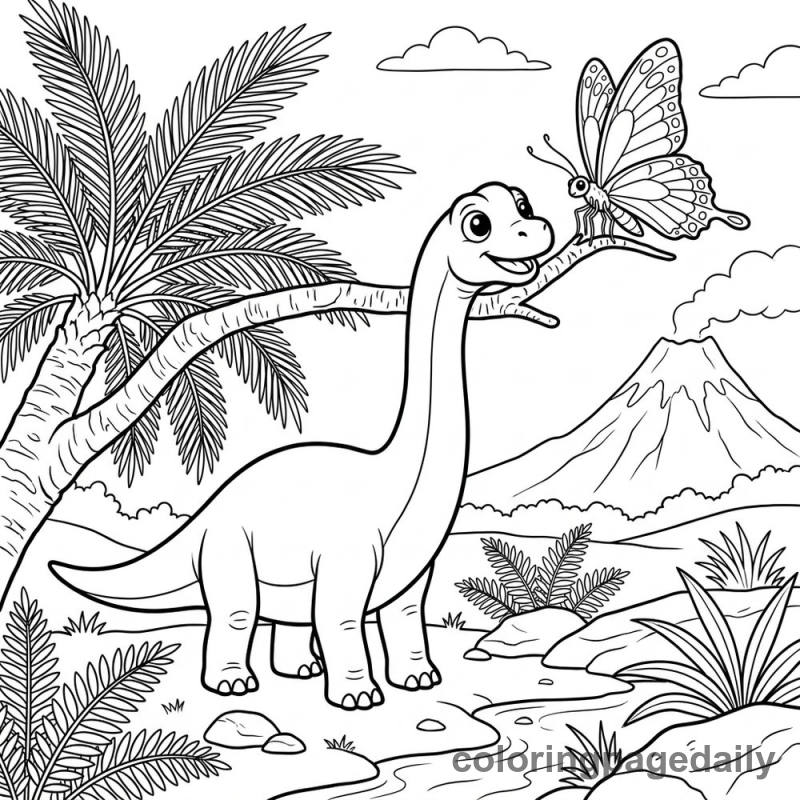
Another towering friend is the Brachiosaurus. The name Brachiosaurus actually translates to "arm lizard." Unlike most other dinosaurs whose back legs were longer than their front legs, the Brachiosaurus had longer front limbs. This gave them a distinctively sloped back, making them look and act very much like a prehistoric giraffe—perfectly built for grazing on the tallest treetops without having to rear up on their hind legs.
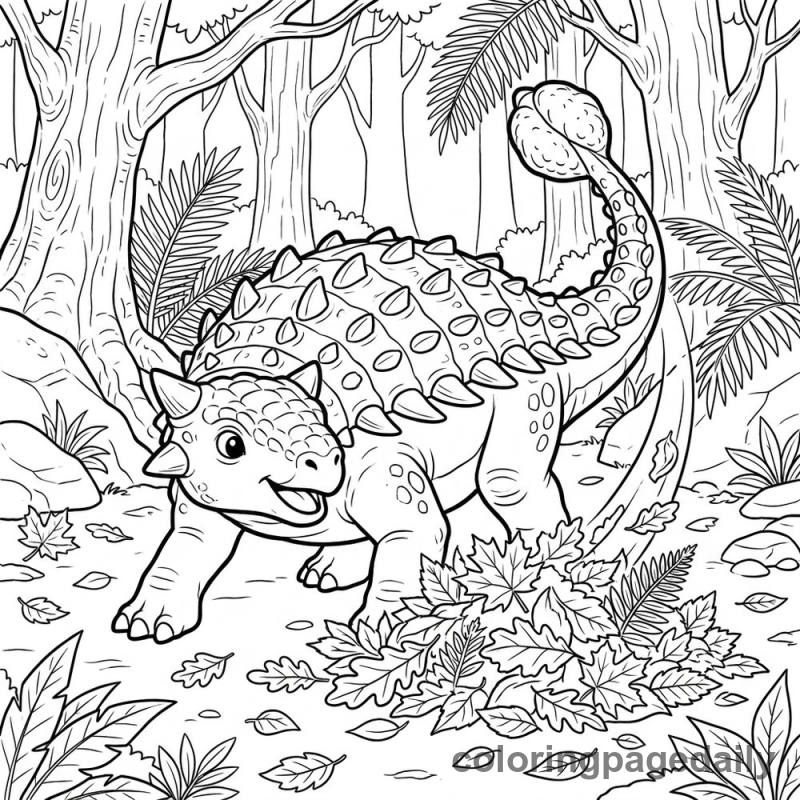
If you were looking for a living tank in the dinosaur kingdom, the Ankylosaurus was it! This incredible creature was covered from head to tail in heavy, bony armor plates called osteoderms. What makes osteoderms so special is that these plates grew directly into the dinosaur's skin. For extra protection, it had a massive, solid bone club at the end of its tail that it could swing to fend off hungry predators.
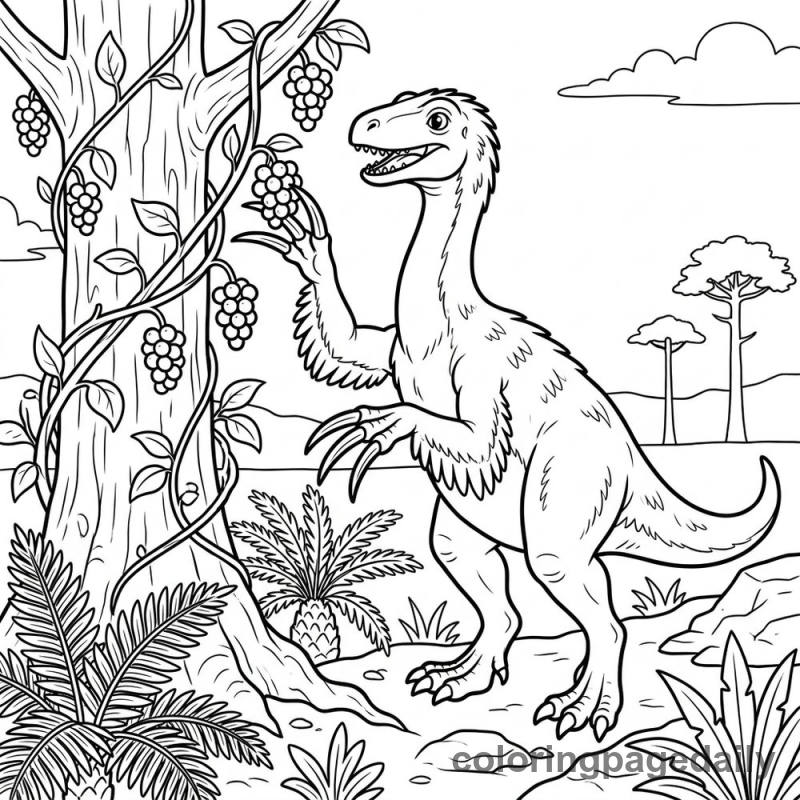
Speaking of unique physical features, let's talk about the Therizinosaurus. This dinosaur might look a bit intimidating because it possessed the longest claws of any known animal—reaching up to three feet (nearly one meter) in length! However, there is no need to be scared. Despite having such formidable claws, the Therizinosaurus was actually a gentle plant-eater. It used its giant claws to hook and pull down high, leafy branches, making it easier to reach its favorite prehistoric snacks.
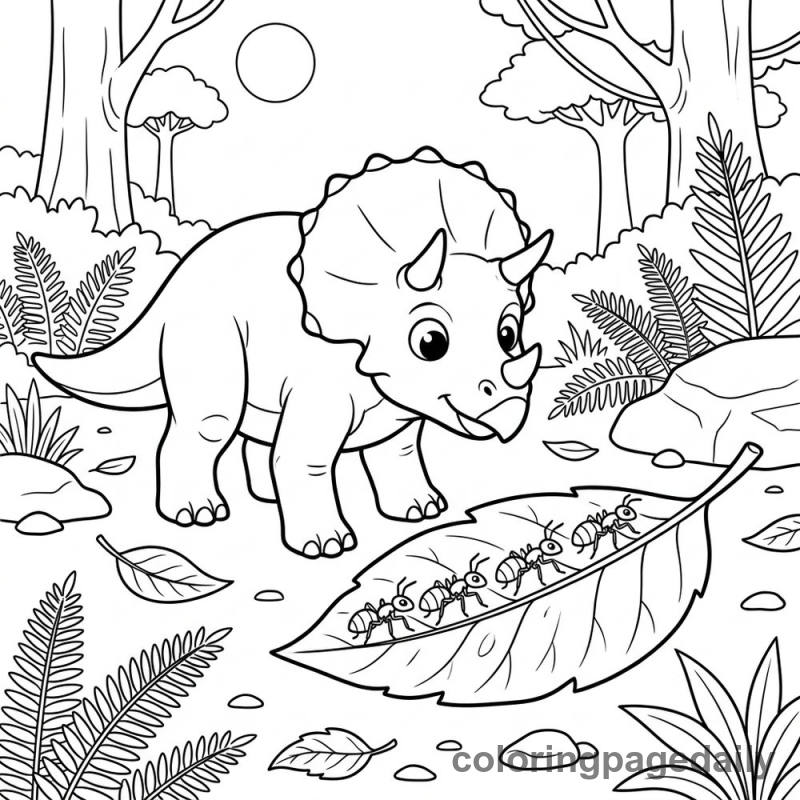
Finally, we have the beloved Triceratops. Beyond its famous horns, the Triceratops sported a giant bony frill on the back of its head. Paleontologists believe this spectacular frill wasn't just for show. It may have acted as a sturdy shield to protect its vulnerable neck, or it might have been used to help regulate the dinosaur's body temperature, working similarly to how a modern elephant uses its large, thin ears to cool down in the hot sun!
Next time your child picks up their crayons, you can turn a simple coloring session into a captivating natural history lesson. Happy coloring and learning!
This article is part of Playful Prehistoric Pals — browse all 24 coloring pages
