When kids open up a new page from our Playful Prehistoric Pals collection, it is easy to focus all their creative energy on the friendly dinosaurs. But the ancient world was full of vibrant and diverse landscapes! From rushing rivers to arid deserts and dense jungles, coloring the background is a wonderful way to practice new art skills and learn about different environments.
Here are some fun, easy coloring tips for parents and teachers to help kids bring these prehistoric habitats to life.
Water can be tricky to color, but it is a great opportunity to experiment with texture.
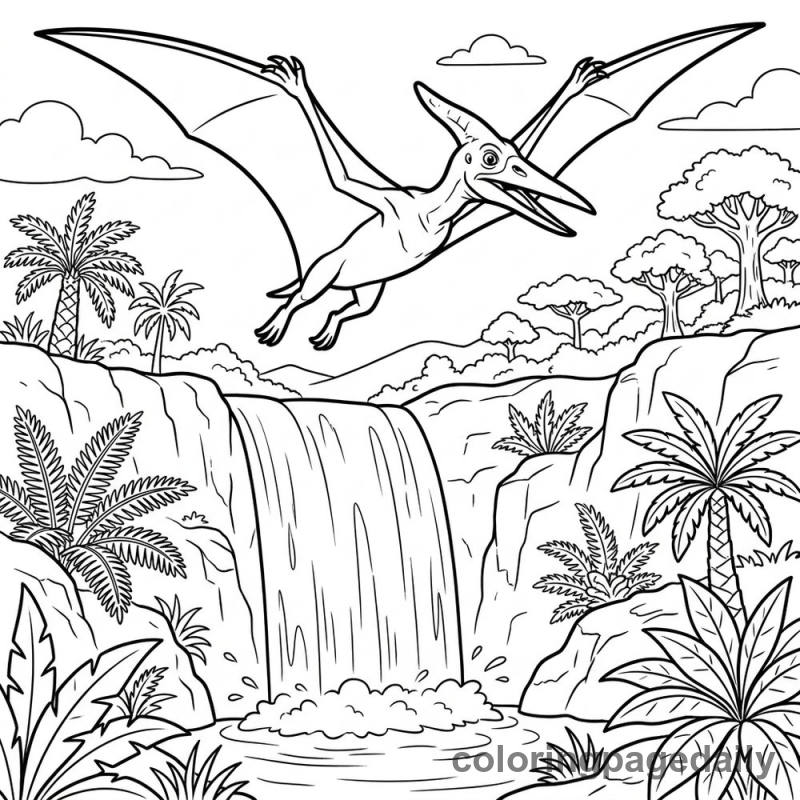
For scenes with rushing water, try the wax resist technique. Have your child use a white crayon to draw vertical lines where the water is falling, or little swirls where the water splashes at the bottom. When they color over it with blue and teal crayons, the white wax will push the blue color away, creating instant, realistic-looking foam and rapids!
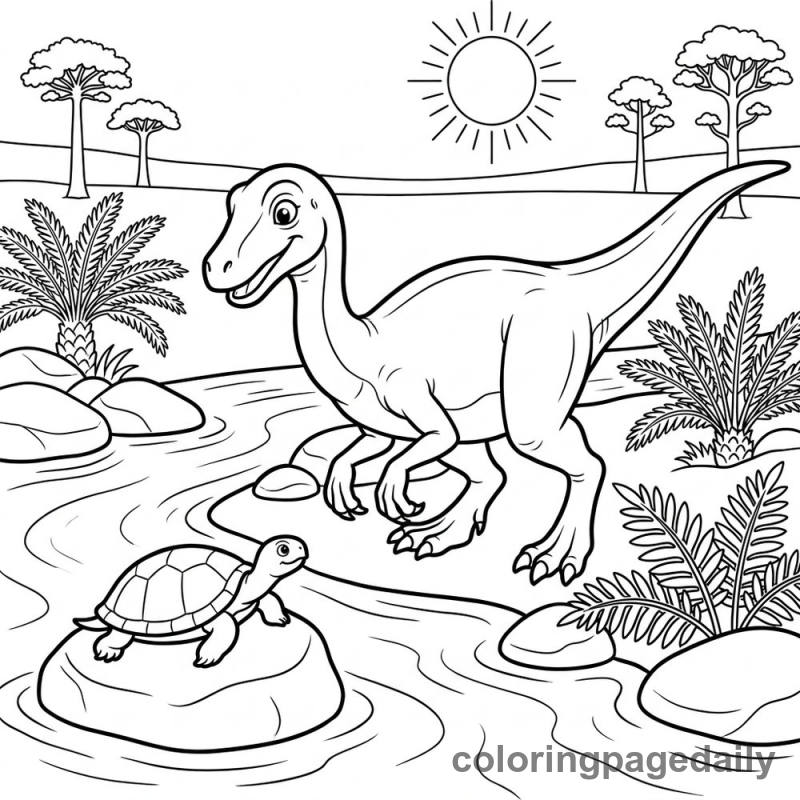
For calmer waters, like a gentle riverbank, encourage kids to add soft reflections. Blending a little bit of green and brown from the riverbank directly into the edges of the blue water helps ground the scene and makes the environment feel connected.
While we often picture dinosaurs in lush, swampy forests, they lived in many different biomes, including dry, sandy areas.
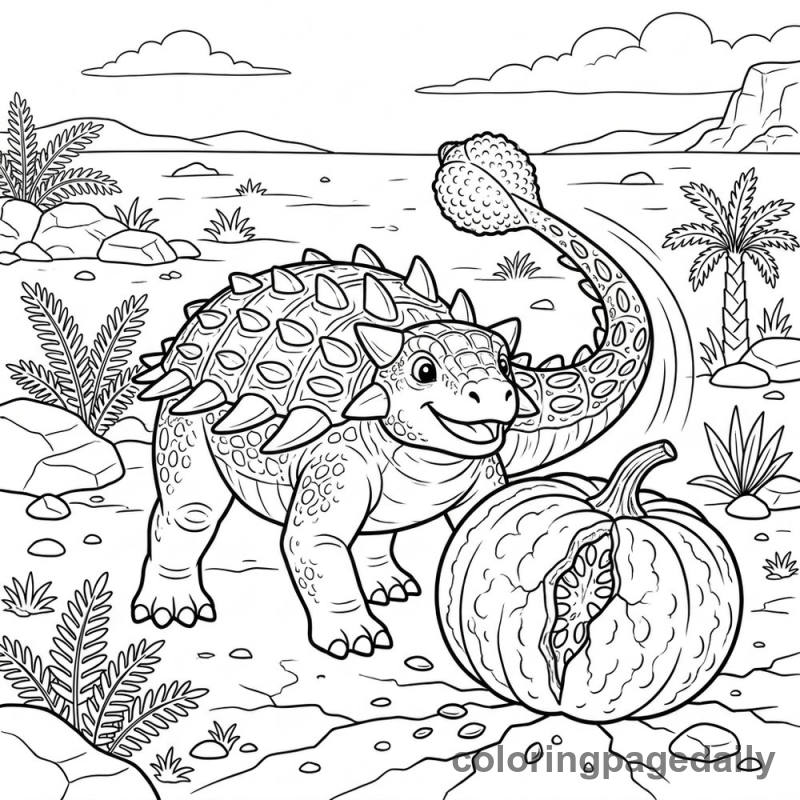
Deserts don't have to be just a flat yellow! To make the sand look realistic, teach kids a technique called stippling. By tapping the tips of brown, orange, and red crayons against the paper, they can create a speckled, sandy texture. Blending these warm colors together gives the desert dunes depth and makes the bright colors of the dinosaur pop out even more.
Did you know that ferns are some of the oldest plants on Earth? They first appeared in the fossil record hundreds of millions of years ago, long before the first dinosaur even hatched!
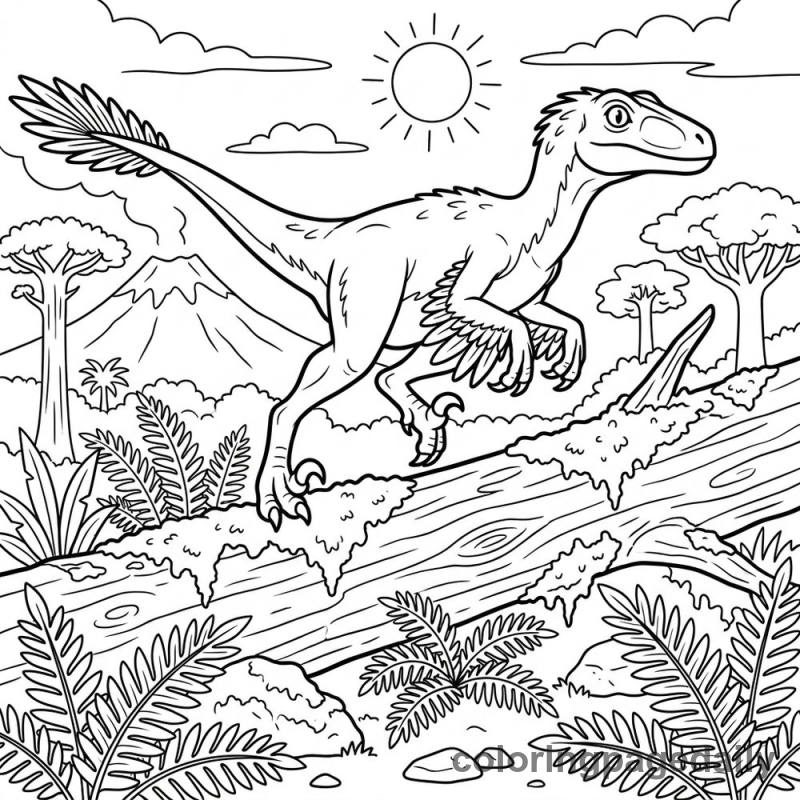
When coloring a dense prehistoric jungle, the secret is color layering. Encourage kids to use at least three different shades of green. Start with a light, sunny yellow-green for the leaves catching the sunlight at the top. Use a standard grass green for the middle, and a deep forest green for the shadows underneath the leaves and mossy logs.
Meadows offer big, beautiful skies that are perfect for practicing gradients.
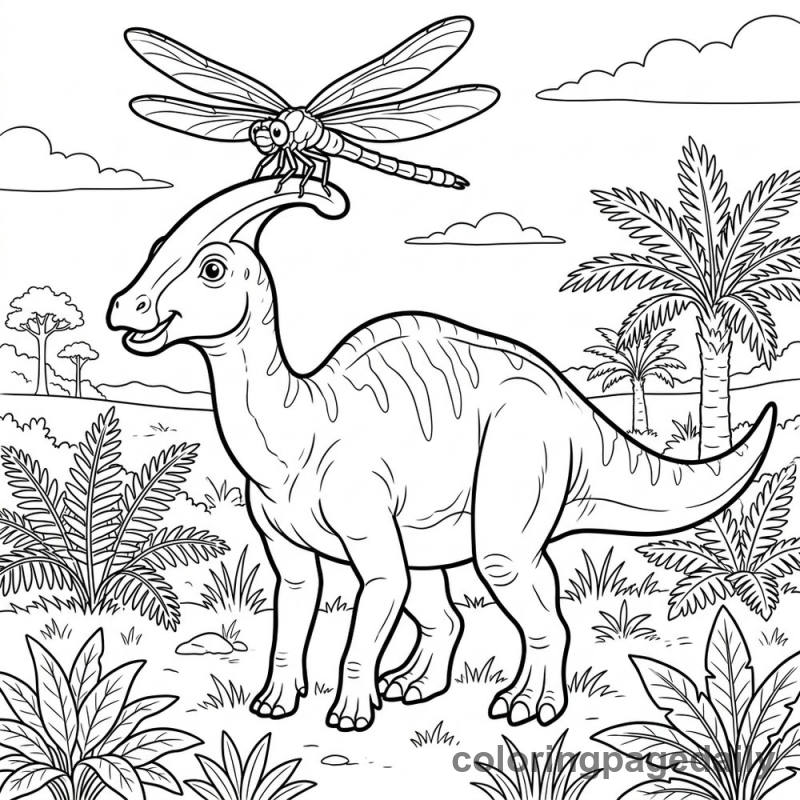
To give a sense of massive scale to the sky, show kids how to press a little harder with their blue crayon near the top of the page, and slowly ease up on the pressure as they color downward. Leaving the area right above the horizon line almost completely white creates a beautiful, hazy atmospheric effect that makes the prehistoric world look gigantic.
Next time you print out a coloring page, take a moment to talk about the habitat. Whether it is a soaring Pteranodon or a leaping Velociraptor, the background is half the fun!
This article is part of Playful Prehistoric Pals — browse all 24 coloring pages
