The prehistoric world wasn't just a simple backdrop—it was a vibrant, dynamic environment filled with rushing rivers, colorful skies, lush vegetation, and fascinating geology! We are thrilled to announce the latest update to our Playful Prehistoric Pals Vol. 2 collection. This new batch of coloring pages focuses on our favorite ancient creatures exploring their beautiful, natural habitats.
To help your little artists get the most out of these new pages, we’ve put together some environment-focused coloring tips for parents and teachers to share during playtime.
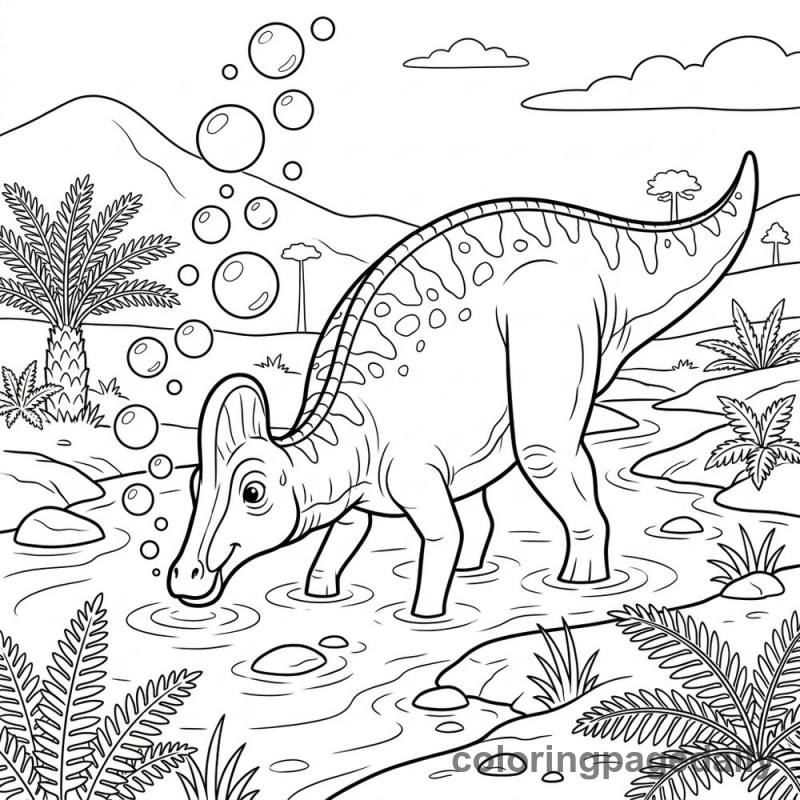
Water scenes are incredibly fun to color, but they can sometimes look a little flat. When coloring the Corythosaurus playing in the river, encourage children to use multiple shades of blue, aqua, and teal.
Coloring Tip: To make the river bubbles look shiny, wet, and translucent, teach kids to leave a tiny white circle or crescent uncolored near the top edge of each bubble. This acts as a "catchlight," giving the illusion of a reflective, three-dimensional surface!
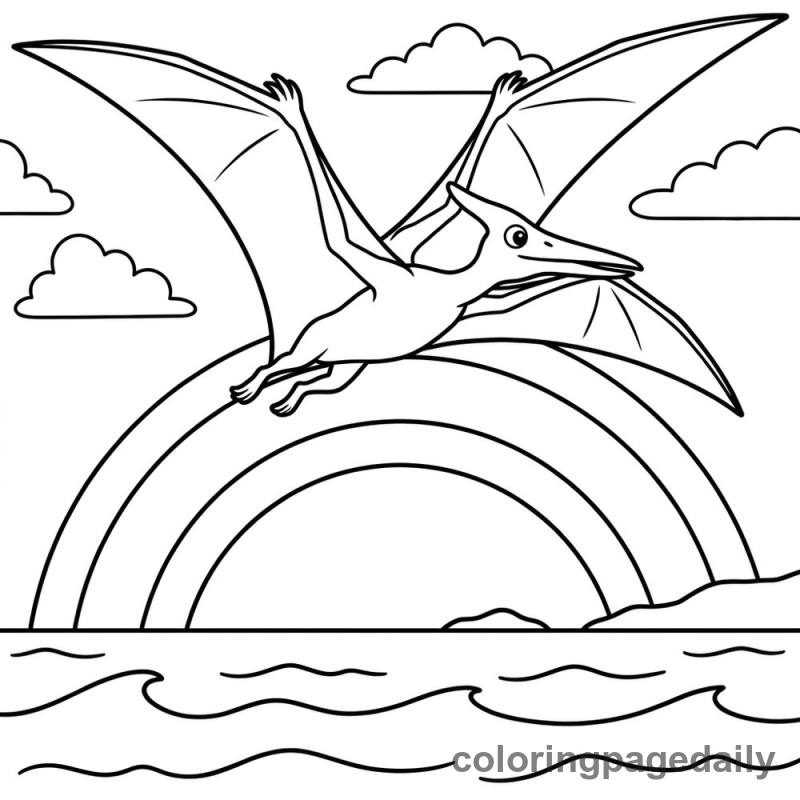
Flying reptiles like the Pteranodon spent their time soaring high above the earth. While it's tempting to grab a single blue crayon for the background, this page is a fantastic opportunity to practice blending. Try creating a prehistoric sunset by layering yellow, orange, and pink behind the Pteranodon. For the rainbow, it’s a perfect educational moment to practice the classic ROYGBIV color spectrum (Red, Orange, Yellow, Green, Blue, Indigo, Violet).
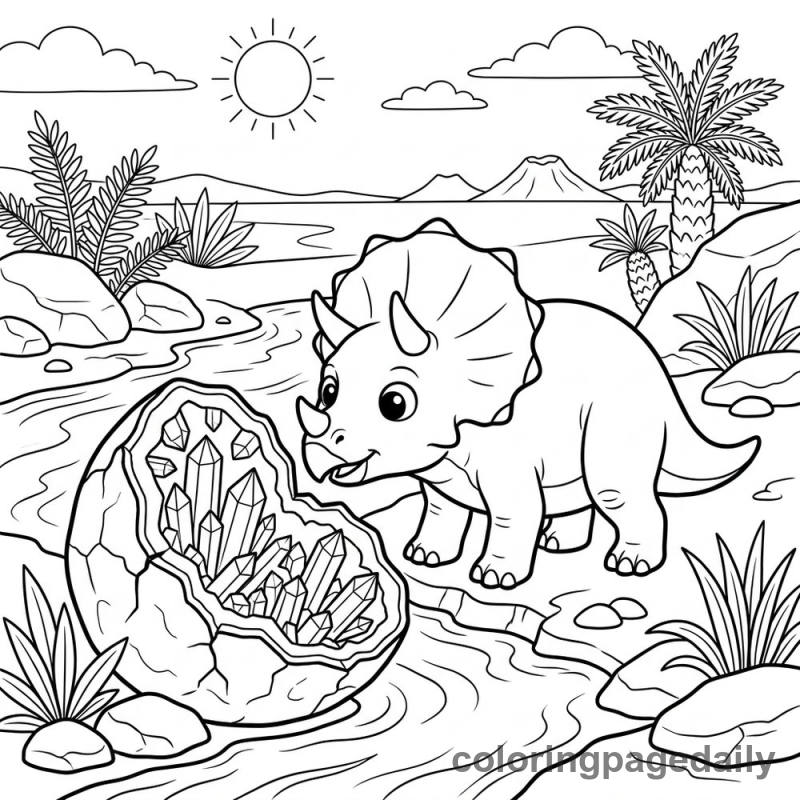
Geology meets paleontology in our new baby Triceratops page! Geodes are fascinating natural rock formations that look ordinary on the outside but hold stunning mineral crystals inside.
Teach your young artists about contrast by coloring the outside of the geode with dull, earthy tones like charcoal gray and muddy brown. Then, use bright, vibrant colors like amethyst purple, emerald green, or sapphire blue for the crystals hidden inside. Pressing harder with colored pencils at the base of the crystals and lighter near the tips creates a brilliant, glowing effect.
Many herbivorous dinosaurs, like the Iguanodon, lived in dense, lush forests. To make the prehistoric plants look thick and alive, try the layering technique. Start with a light, bright yellow-green base for the leaves and ferns, then go over the shadowed areas (like under the leaves or near the stems) with a darker forest green. This adds instant depth to the jungle, making the dinosaur in the foreground pop right off the page.
Download these latest additions to the Playful Prehistoric Pals Vol. 2 collection today, and watch your children bring the ancient world to life, one vibrant habitat at a time!
This article is part of Playful Prehistoric Pals Vol. 2 — browse all 20 coloring pages
