Welcome back to our Ocean Wonders & Sunken Treasures collection! This month, we've added a beautiful batch of new coloring pages that showcase the fascinating ways marine life interacts with the ocean floor. From curious crabs inspecting sunken ships to graceful rays gliding over ancient ruins, these pages offer a wonderful opportunity for children to practice coloring contrasting textures.
Here is a guide to our newest additions, along with some fun techniques to help your little artists bring these underwater scenes to life!
One of the most fun challenges in this collection is making sunken, man-made objects look like they've been resting on the ocean floor for decades.
When coloring objects like our new iron anchor or the classic ship cannon, encourage your kids to experiment with "rust" colors. Instead of just using plain grey or black for metal, try layering streaks of burnt orange, reddish-brown, and even a little dark green to represent algae buildup.
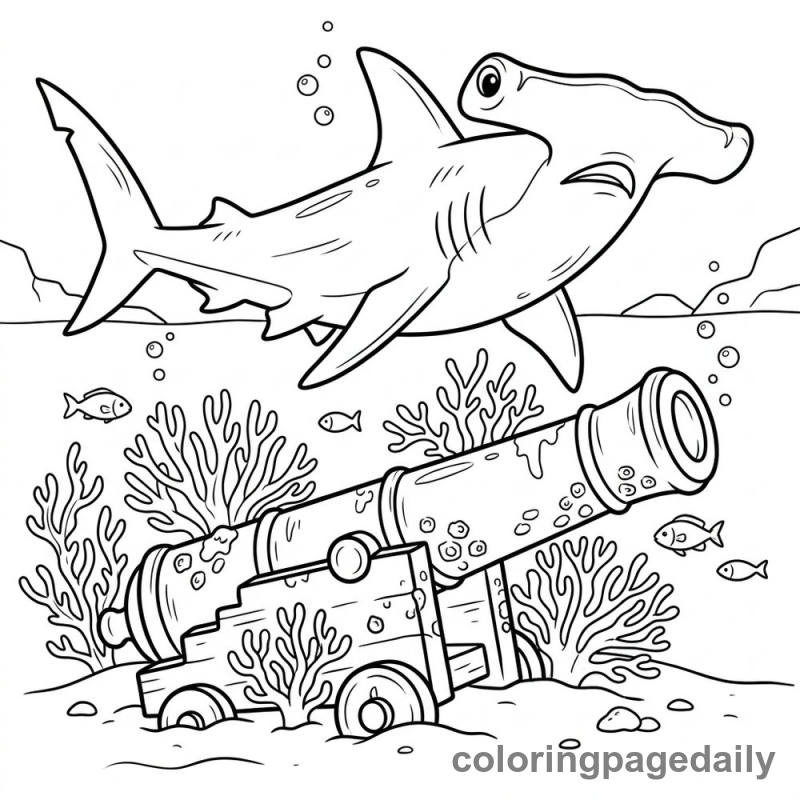
Coloring Tip: Use a technique called "stippling"—making tiny dots with markers or colored pencils—around the edges of the metal objects to give them a rough, corroded texture. This creates a brilliant visual contrast against the smooth, sleek skin of the Hammerhead Shark swimming above!
Another exciting interaction in our new update features graceful giants exploring forgotten ruins.
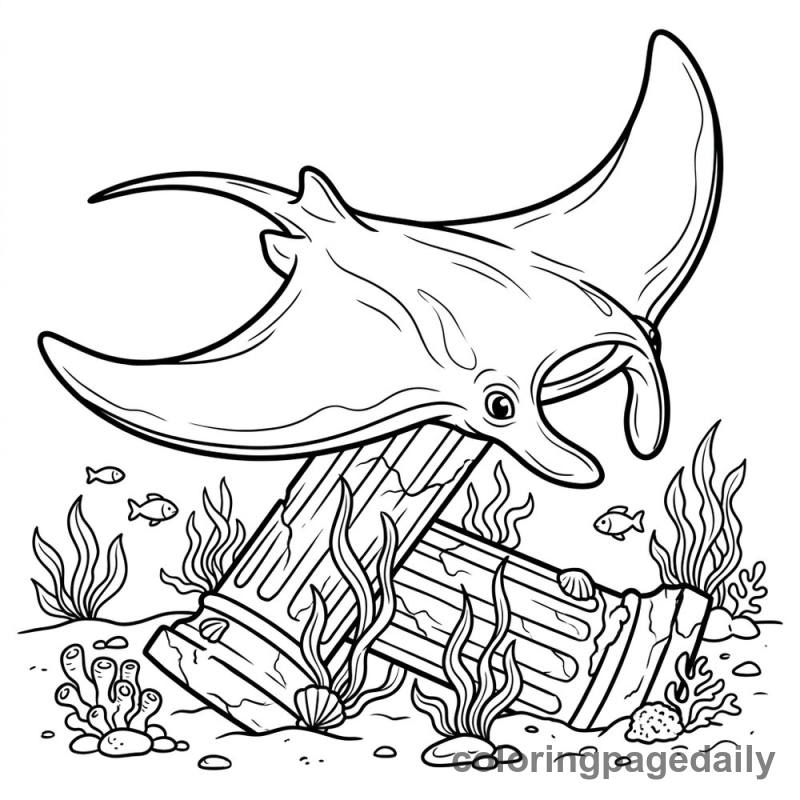
To make the Manta Ray look sleek and fast, use smooth, sweeping strokes that follow the curve of its wide pectoral fins. For the ancient stone column below, do the exact opposite! Use short, overlapping strokes with different shades of grey, tan, and brown to make the stone look weathered and heavy. Don't forget to add bright, vibrant greens for the seaweed clinging to the rocks to make the ancient architecture pop.
We haven't forgotten about the tiny creatures of the deep! Some of our favorite new pages feature the delicate ways small animals navigate their massive habitats.
Coloring Tip: When coloring a busy scene like a seahorse hiding in staghorn coral, use the "color wheel contrast" trick. If the coral is colored with cool tones like deep purples and sea greens, color the seahorse with warm tones like bright yellow, orange, or red. This ensures the heavily patterned seahorse stands out beautifully and doesn't get lost in the intricate background details.
Finally, we've added a magnificent scene highlighting the incredible scale of the ocean's inhabitants.
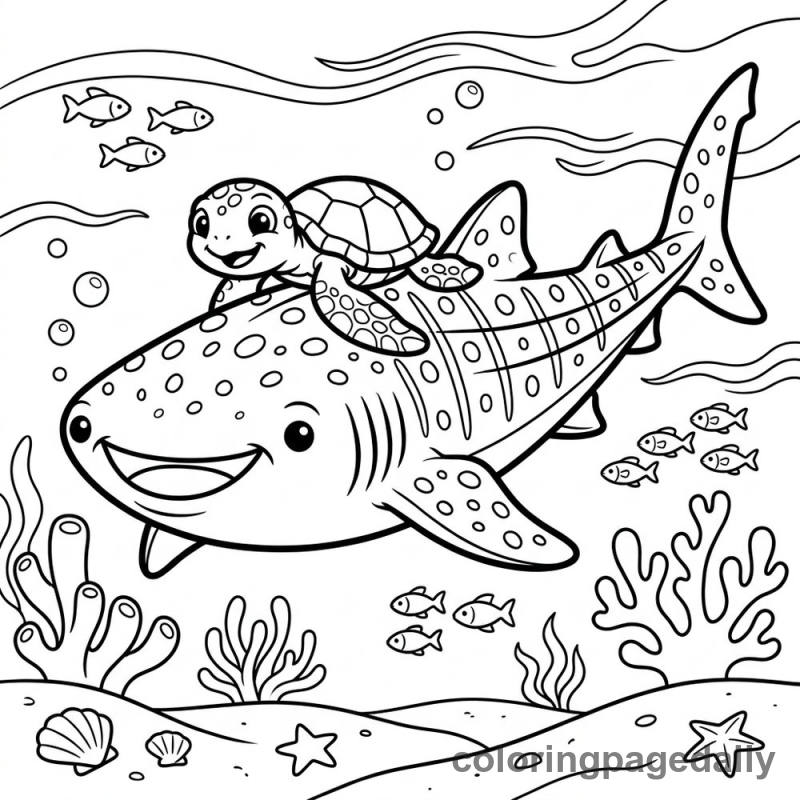
When coloring the enormous Whale Shark, kids can practice "pattern repetition" by carefully filling in the space around its famous spots. This massive, dotted pattern provides a wonderful visual contrast to the small, geometric scutes (the individual plates) on the tiny sea turtle's shell!
Grab your favorite coloring tools and dive into these new adventures today. We can't wait to see the masterpieces your family creates!
This article is part of Ocean Wonders & Sunken Treasures — browse all 10 coloring pages
