When kids sit down with a fresh set of crayons or markers, the deep ocean offers an incredible canvas for imagination. In Volume 2 of our Ocean Wonders & Sunken Treasures collection, the sandy ocean floor is littered with surprises—from antique diving helmets to sunken bicycles!
Since we've previously covered how to blend different shades of ocean water, today's guide focuses on making the subjects of these pages truly stand out. Here are some of our favorite coloring techniques for bringing these whimsical underwater scenes to life.
Many of the treasures in this collection are made of metal. Teaching children how to create a metallic illusion is a fun way to elevate their artwork!
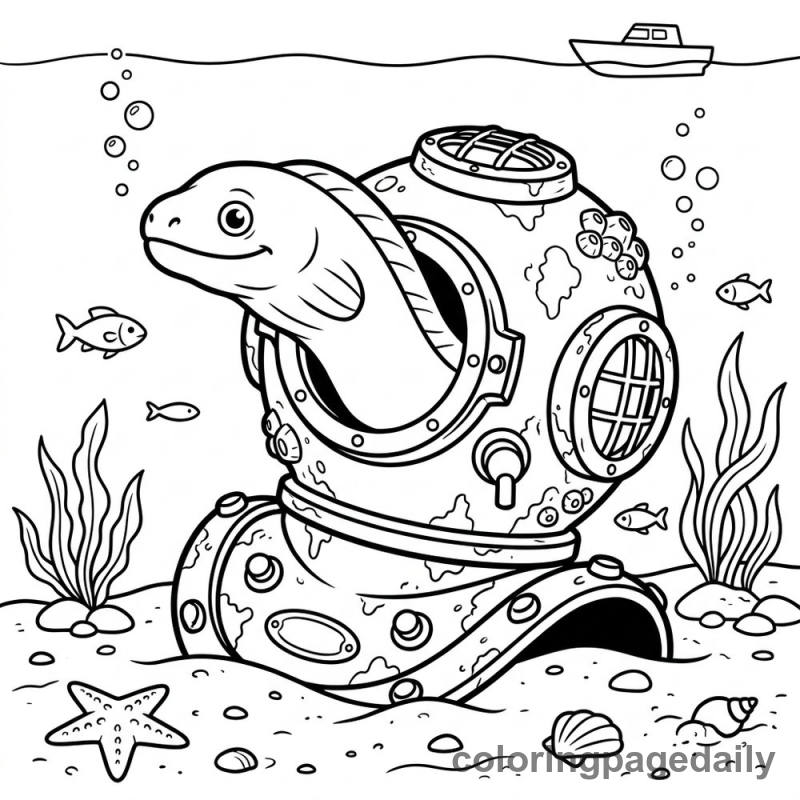
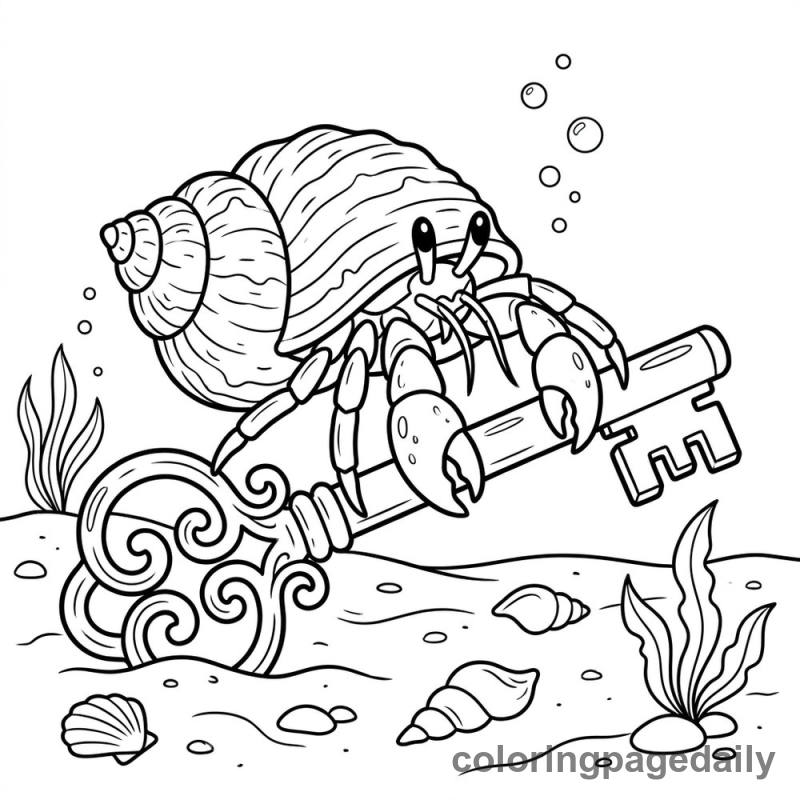
To make objects like the antique brass diving helmet look realistic, encourage your little artists to use a mix of yellow, gold, and light brown. The trick is to leave a small streak or circle completely uncolored (white) to represent the light reflecting off the curved metal. They can use this same technique on the giant antique skeleton key!
When the background is a vast expanse of cool colors like blue and green, warm colors will naturally jump off the page.
Take the Emperor Angelfish, for example. In the wild, adult Emperor Angelfish are famous for their brilliant, horizontal yellow and blue stripes. By pressing firmly with a bright yellow crayon for the fish's stripes and tail, and using a softer, muted gray for the sunken airplane behind it, kids can create a beautiful high-contrast masterpiece that draws the eye straight to the fish.
Part of the fun of Volume 2 is the unexpected discovery of everyday human objects at the bottom of the sea.
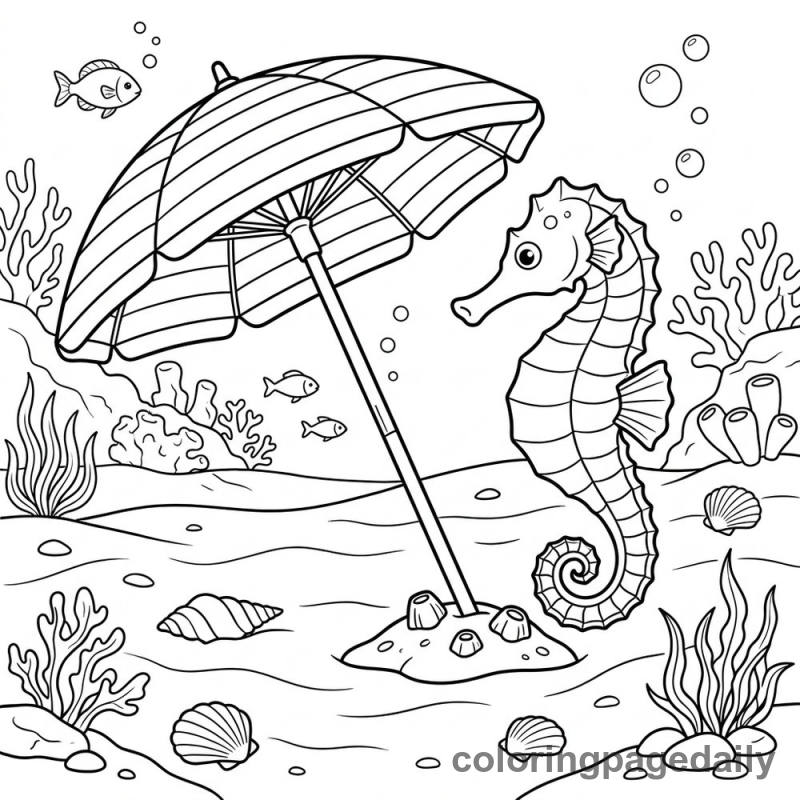
Who says a sunken beach umbrella has to be dull? Encourage children to use their wildest, brightest colors for these items. Neon pinks, vibrant purples, and cherry reds will give these scenes a playful, storybook quality.
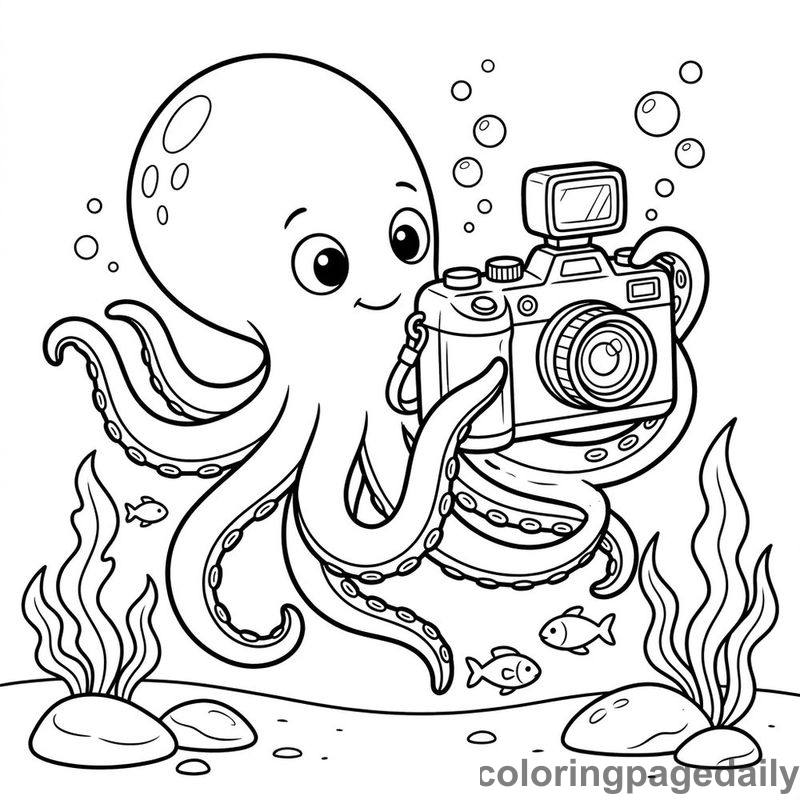
The same goes for our clever photographer octopus! Coloring the camera in a bright, non-traditional color like mint green or bright orange adds an extra layer of humor and creativity to the page.
Don't forget about the sand! Instead of coloring the ocean floor a solid tan, kids can use a technique called stippling. By tapping the tips of brown, gold, and dark yellow markers onto the page, they can create a speckled texture that looks exactly like real grains of sand.
Ready to start coloring? Grab your favorite supplies and dive into the creative possibilities of the deep blue sea!
This article is part of Ocean Wonders & Sunken Treasures Vol. 2 — browse all 14 coloring pages
