Spring is the perfect season to talk to young learners about the incredible biodiversity of our planet. As educators and parents, we can use engaging activities like coloring to spark curiosity about the natural world. In our "Nature's Little Helpers" collection, we feature several unique animals practicing eco-friendly habits. While children color these beautiful pages, you can share these amazing, real-world educational facts about the creatures!
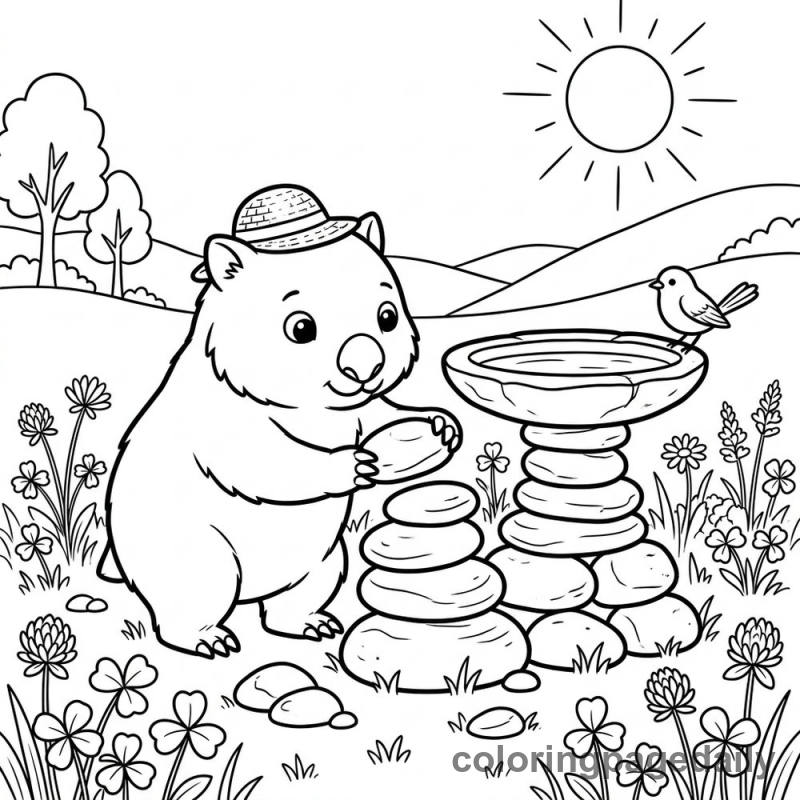
Wombats are incredible burrowers native to Australia. Did you know that a female wombat's pouch faces backward? This clever evolutionary trait prevents dirt from filling the pouch and covering her baby while she tirelessly digs her tunnels! Furthermore, wombats are famous in the animal kingdom for producing cube-shaped droppings. Scientists believe this unique shape prevents their territorial markers from rolling away off rocks and logs in their environment.
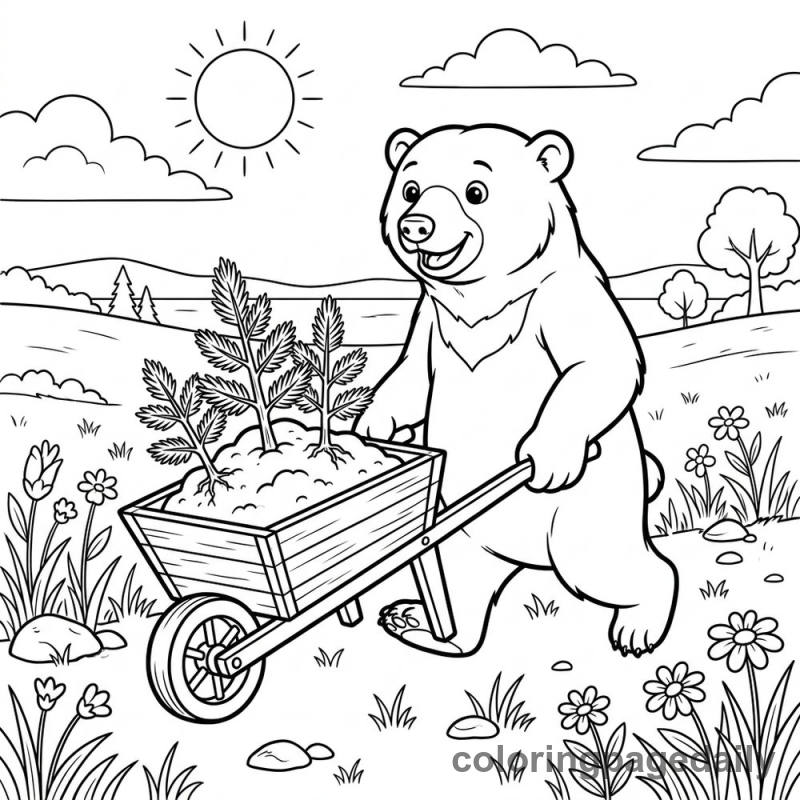
While our coloring page shows a sun bear planting saplings, real sun bears are also essential to the health of their forest ecosystems. They are the smallest members of the bear family and live in the tropical forests of Southeast Asia. Sun bears boast an exceptionally long tongue—often measuring up to 10 inches (25 centimeters)! They use this specialized tongue to extract honey and insects from tree bark, which helps keep termite populations in check and promotes healthy, thriving forests.
Pangolins are truly one-of-a-kind creatures. They hold the title of being the only mammals in the world completely covered in tough, overlapping scales. These protective scales are made of keratin, the exact same protein that makes up human fingernails, hair, and rhino horns! When threatened by a predator, a pangolin will curl up into a tight, nearly impenetrable ball to protect its soft belly.
Native only to a specific lake complex in Mexico, the axolotl is a type of salamander with some astonishing abilities. Unlike most amphibians, axolotls exhibit "neoteny," meaning they keep their juvenile features—like their iconic feathery external gills—for their entire lives instead of undergoing metamorphosis. Even more fascinating for scientists is their ability to flawlessly regenerate lost limbs, heart tissue, and even parts of their brain without any scarring!
Combining these verifiable scientific facts with hands-on coloring activities helps children develop a deeper appreciation for Earth's diverse ecosystems. When kids learn how special these animals are, they are more likely to want to protect them. Happy coloring and learning!
This article is part of Nature's Little Helpers — browse all 20 coloring pages
