As children dive into our latest collection featuring fantasy friends enjoying everyday activities, they aren't just exploring imaginary worlds—they are practicing crucial fine motor skills! While picking wild, imaginative hues is always a blast, these intricate pages offer a wonderful opportunity to teach young artists how to create different visual textures.
Whether you are a teacher looking for a classroom art activity or a parent seeking a fun weekend project, here are some easy and engaging techniques to help your little ones bring these magical scenes to life.
How do you make a drawing of a rock actually look rough and heavy? The secret is a technique called stippling.
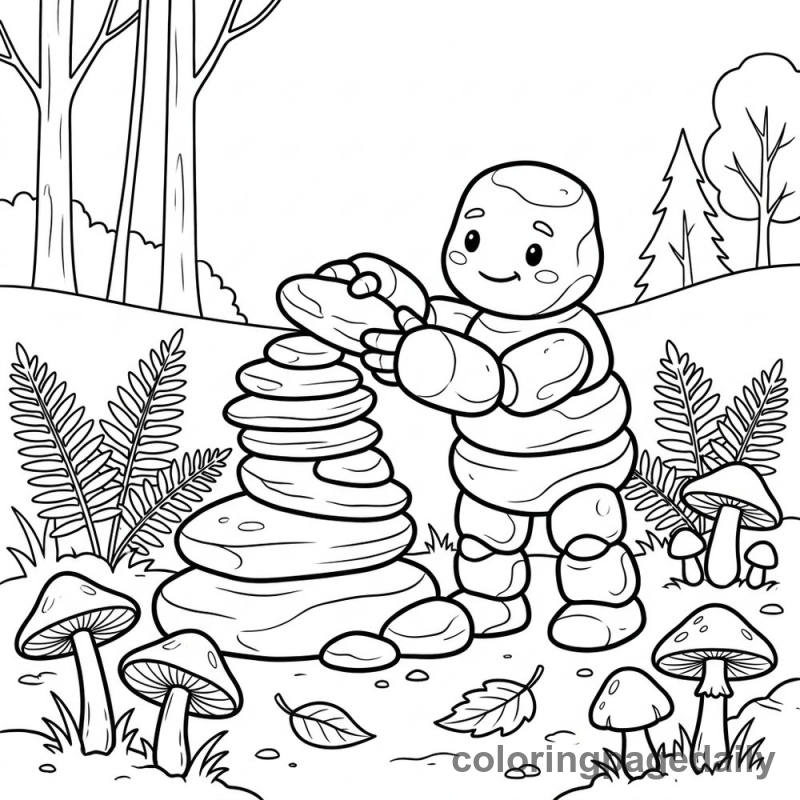
When your child is coloring the Pebble Golem, have them use the tip of their marker or colored pencil to tap small dots onto the golem's body and the stones it is stacking. By grouping dots closer together on one side of the pebbles, they can even create a cool shadow effect. It's a fantastic way to practice pencil control and patience!
Griffins are legendary creatures that are part eagle, meaning they are covered in majestic feathers! Coloring a large feathered area with a single, heavy block of color can make it look flat.
Instead, teach children to use short, quick, overlapping strokes. This works beautifully on our griffin pages. Encourage them to blend two similar colored pencils—like a light brown and a warm gold—using sweeping motions to give the wings and body realistic depth and a fluffy appearance.
Dragons might be tough in fairy tales, but our baby dragons are just trying to enjoy their favorite pastimes! To make their reptilian scales pop, try introducing a simple shading technique.
First, have your child color the dragon a solid, light base color. Then, have them press slightly harder with the same pencil (or use a slightly darker shade of the same color) along the bottom edges of the dragon's body, tail, and legs. This creates basic shadows that make the dragon look round and three-dimensional.
Underwater scenes call for soft, flowing colors. For the smooth skin of the baby kraken and the watery depths of the ocean floor, encourage "circular blending."
Instead of coloring in straight, back-and-forth lines, have kids move their crayons or pencils in gentle, overlapping circles. This removes harsh directional lines and gives everything a soft, fluid appearance that perfectly matches a calm underwater crafting session.
By introducing these simple texture tricks, you can turn a standard coloring session into an exciting mini art class. Grab your favorite supplies and see what magical masterpieces your kids can create today!
This article is part of Mythical Creature Hobbies — browse all 15 coloring pages
