Coloring is more than just a fun, creative outlet—it is a fantastic way to introduce children to different cultures! As your students or children explore our Lunar New Year Celebrations collection, you can share these fascinating educational facts about the customs, foods, and arts that make this holiday so special.
Before the new year begins, it is customary for families to clean their homes and decorate them with beautiful red paper decorations.
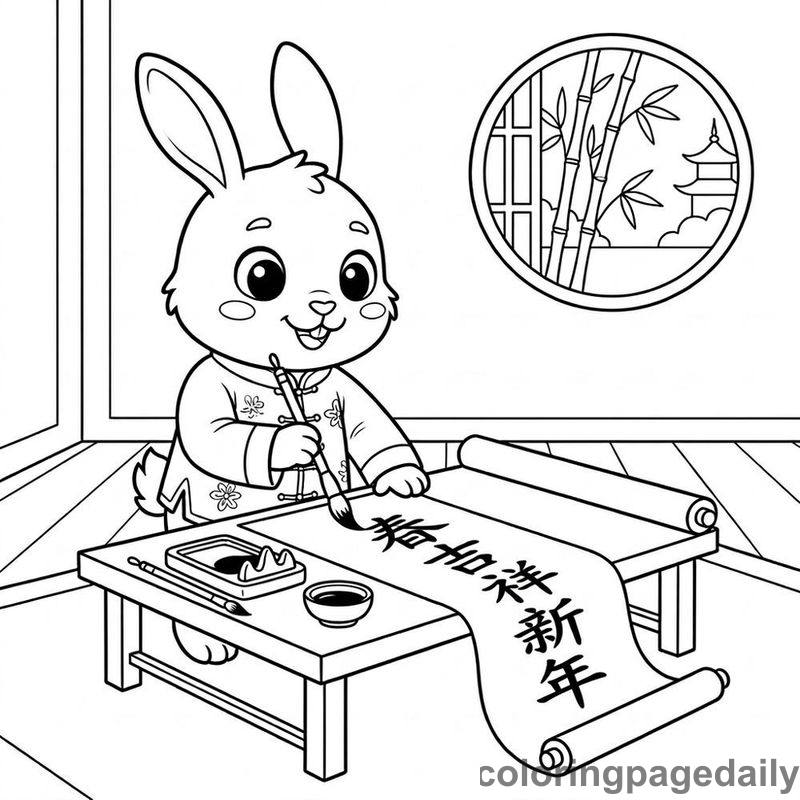
One of the most important traditions is writing spring couplets and the character "Fu" (meaning good fortune or blessing) using traditional brush calligraphy. These are often hung upside down on doors. Why? Because the Chinese word for "upside down" sounds just like the word for "arrive," symbolizing that good luck is arriving at the home!
Music also plays a central role in the festivities. Traditional Chinese instruments are frequently played during community gatherings and temple fairs.
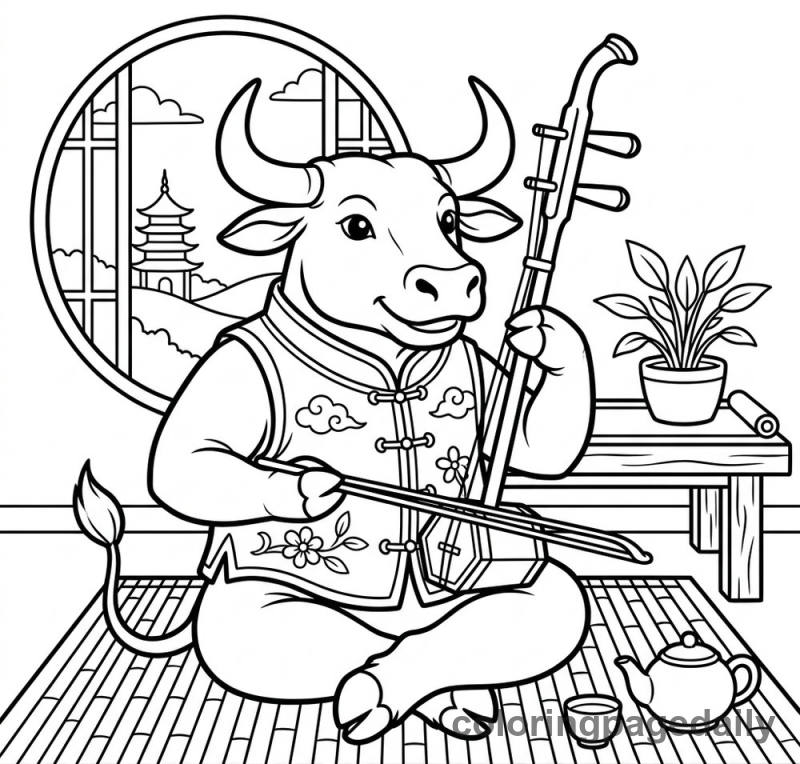
The erhu, famously known as the "Chinese violin," is a bowed musical instrument with only two strings. Despite having so few strings, it can produce an incredibly expressive range of sounds, mimicking everything from chirping birds to human voices.
Food is at the heart of Lunar New Year, and every dish served carries a special meaning.
Steamed buns (baozi or mantou) are a staple of the holiday feast, especially in Northern China. Their perfectly round shape is highly symbolic, representing family reunion, unity, and completeness. Sometimes, families even hide a lucky coin or a sweet date inside one of the buns for a fortunate person to find!
For children, the temple fairs bring delightful sweet treats.
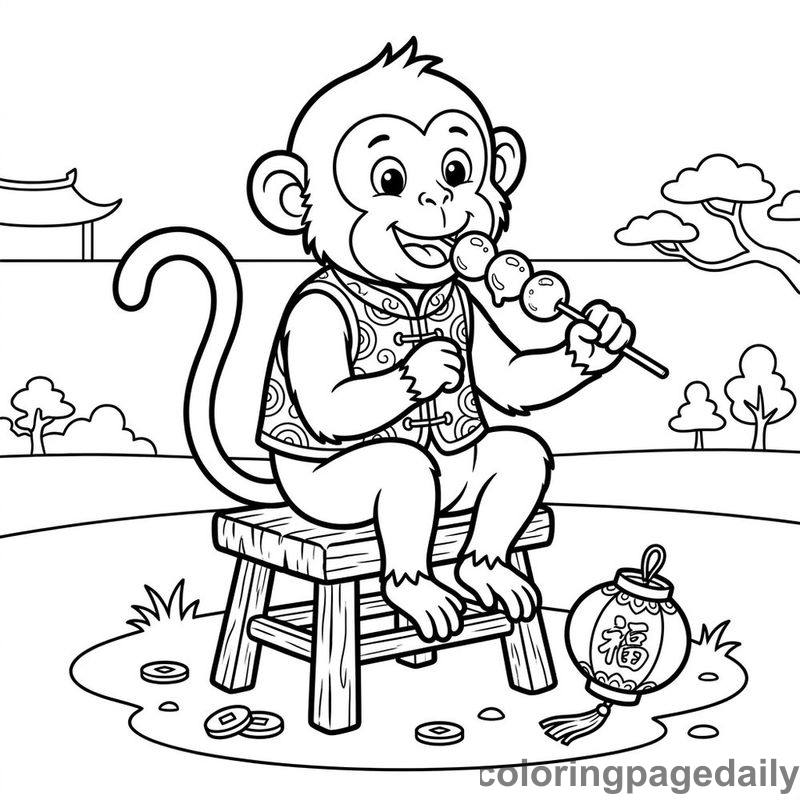
A favorite festival snack is tanghulu. Dating back to the Song Dynasty, this traditional street food consists of skewered fruit—authentically Chinese hawthorn berries—dipped in a hard sugar syrup. The bright red berries look like miniature lanterns and represent a sweet, happy year ahead.
During the new year, people exchange wishes for prosperity and success.
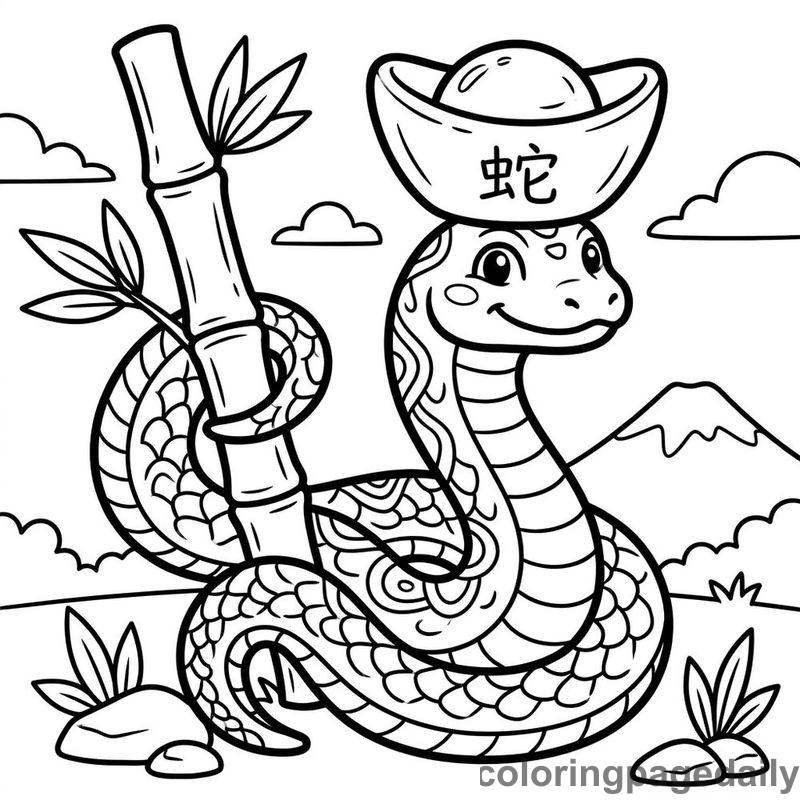
You will often see decorations featuring boat-shaped gold or silver objects. These are called yuanbao, or ingots. They were used as the main currency in ancient China. Today, they are purely decorative symbols meant to attract wealth and good fortune into the home.
The Lunar New Year celebration doesn't just last for one day—it is traditionally a 15-day event!
The festivities officially conclude on the 15th day of the lunar calendar with the magnificent Lantern Festival. On this night, people light thousands of intricate paper and silk lanterns to honor deceased ancestors and promote reconciliation, peace, and forgiveness. Palace lanterns, historically used by royalty, are famous for their detailed wooden lattice work and elegant hanging tassels.
As your little ones color their way through the Chinese Zodiac and festive scenes, use these facts to spark their curiosity about world cultures and history!
This article is part of Lunar New Year Celebrations — browse all 10 coloring pages
