Winter coloring pages offer a fantastic canvas for children to experiment with new art techniques. While the background might be covered in snow, the subjects of our Cozy Winter Wonderland collection are full of opportunities to explore texture, shading, and vibrant contrasts. If your little artists are ready to take their coloring to the next level, try introducing these fun and educational coloring tips to your home or classroom!
Because winter landscapes rely heavily on cool tones to capture the chill of the season, adding warm pops of color is the perfect way to make characters stand out.
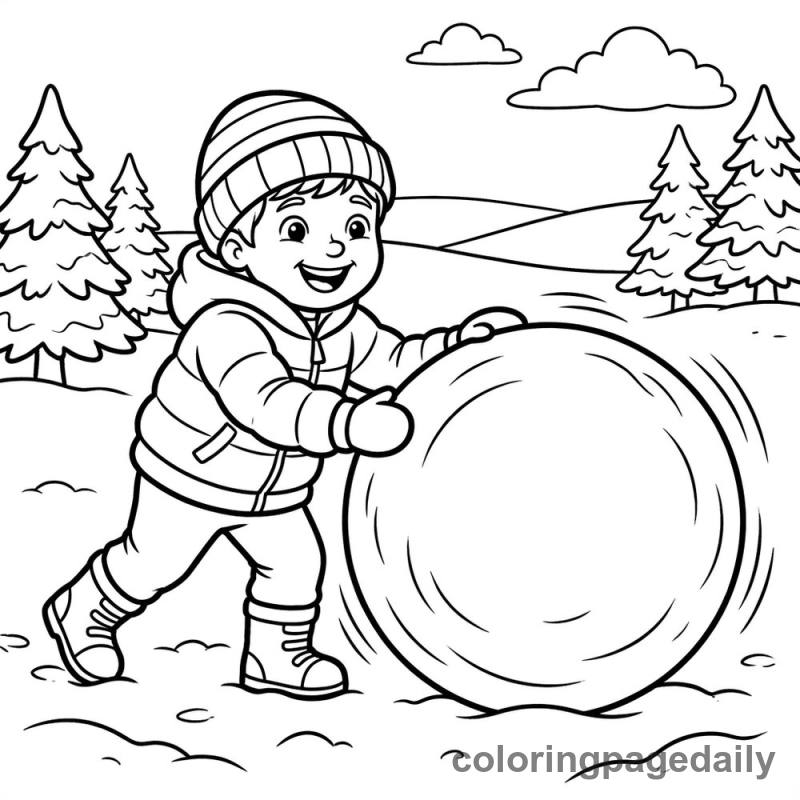
When your students or children are coloring winter gear—like puffy coats, scarves, and hats—encourage them to reach for cherry reds, mustard yellows, and bright oranges. These warm hues create a striking visual contrast against white or pale blue snow, instantly drawing the eye to the center of the action and giving the artwork a lively, energetic feel.
Winter wouldn't be complete without thick, cozy yarn! You can teach older children how to create the illusion of knitted fabric using simple drawing techniques.
Instead of coloring in a solid block, have them practice making tiny overlapping "V" shapes or using cross-hatching (drawing crisscrossing lines) over the clothing. This works beautifully on pages featuring mittens and sweaters, adding depth and a tactile quality that makes the winter gear look incredibly warm and realistic.
Coloring animals that are naturally white or pale can be tricky on white paper. The secret is focusing on the shadows and the texture of the fur.
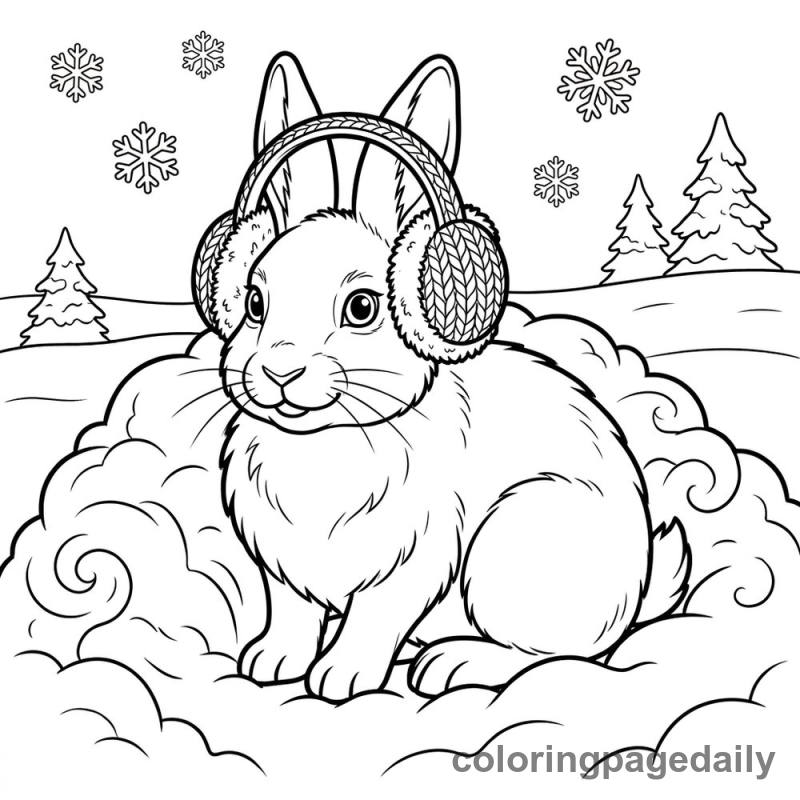
Show your young artists how to use light, feathery strokes with pale grey, cream, or even soft peach colored pencils. By applying these short strokes around the edges of the animal and under the chin, they give the fur volume and fluffiness without losing the creature's natural snowy camouflage. Adding a bright, solid color to an accessory—like a pair of earmuffs—helps anchor the animal on the page.
Winter activities often involve classic equipment like wooden toboggans or warm metal thermoses. These elements are great for teaching material textures.
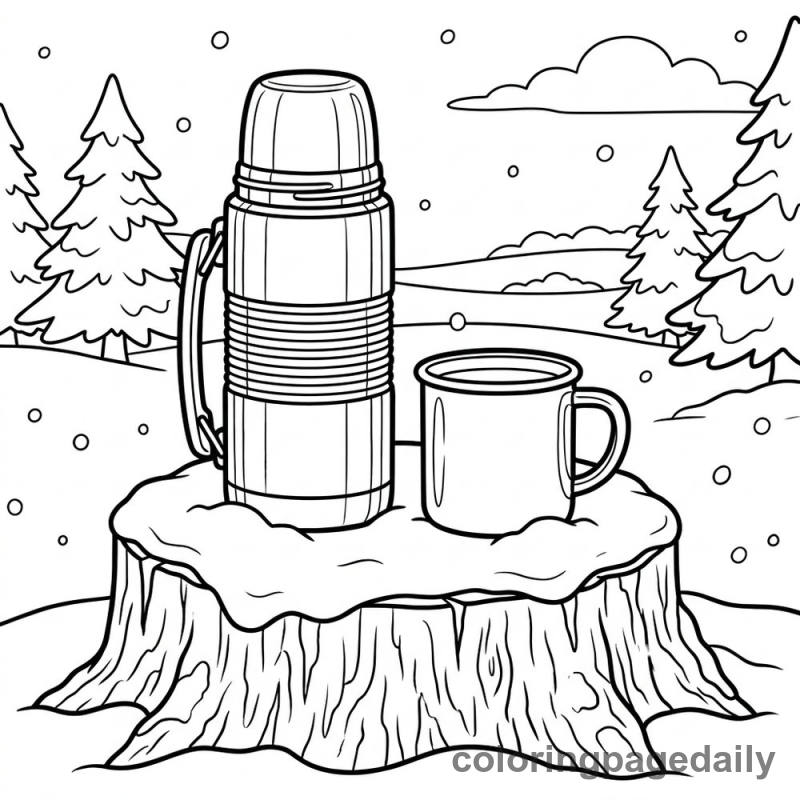
To create realistic wood grain on a sled or tree stump, layer different shades of brown using long, wavy lines rather than coloring it solidly. For metallic objects like a thermos, the trick is all about the reflection. Encourage kids to leave a thin, vertical sliver of the paper completely blank while coloring the rest of the thermos. This uncolored space mimics a bright reflection, making the object look instantly shiny and cylindrical!
Gather your crayons and colored pencils, and let these techniques bring a touch of artistic magic to your next cozy coloring session.
This article is part of Cozy Winter Wonderland — browse all 23 coloring pages
