Winter is a magical season, but for the incredible animals that brave the chilly months, it is also a time of amazing survival skills! As your children or students dive into the Cozy Winter Wonderland Vol. 2 collection, you can use these coloring pages as a wonderful teaching moment. Here are some fascinating educational facts about winter wildlife to share while they bring these snowy scenes to life with their crayons and markers.
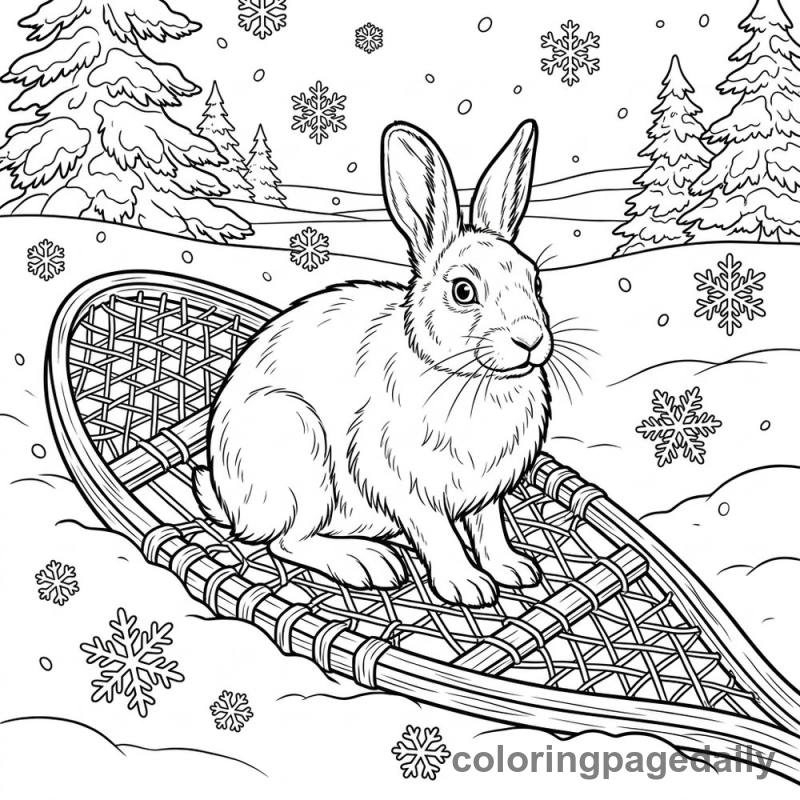
Have you ever tried walking in deep snow and found yourself sinking? The Arctic hare has a brilliant adaptation for this. Their extra-large hind feet act just like natural snowshoes! By spreading their weight over a larger surface area, they can hop across the surface of deep snowdrifts at speeds up to 40 miles per hour to escape predators. It’s quite fitting to see our fluffy friend sitting in an actual wooden snowshoe in this coloring page!
While many animals sleep through the winter, the tiny Alpine pika stays wide awake. Because they do not hibernate, they have to prepare carefully for the long, cold months ahead. All summer long, pikas scurry around gathering grasses and wildflowers, leaving them out to dry in the sun. They then store these "haypiles" deep in the rocky crevices of their mountain homes to munch on when the snow covers everything else.
The Arctic fox is a master of staying warm in freezing temperatures. They have the warmest pelt of any animal found in the Arctic, allowing them to endure temperatures as low as -58°F (-50°C)! When it is time to sleep, the Arctic fox curls up into a tight ball and wraps its thick, bushy tail around its face and body. This bushy tail acts just like a warm, cozy blanket, trapping their body heat so they can sleep peacefully in the freezing snow.
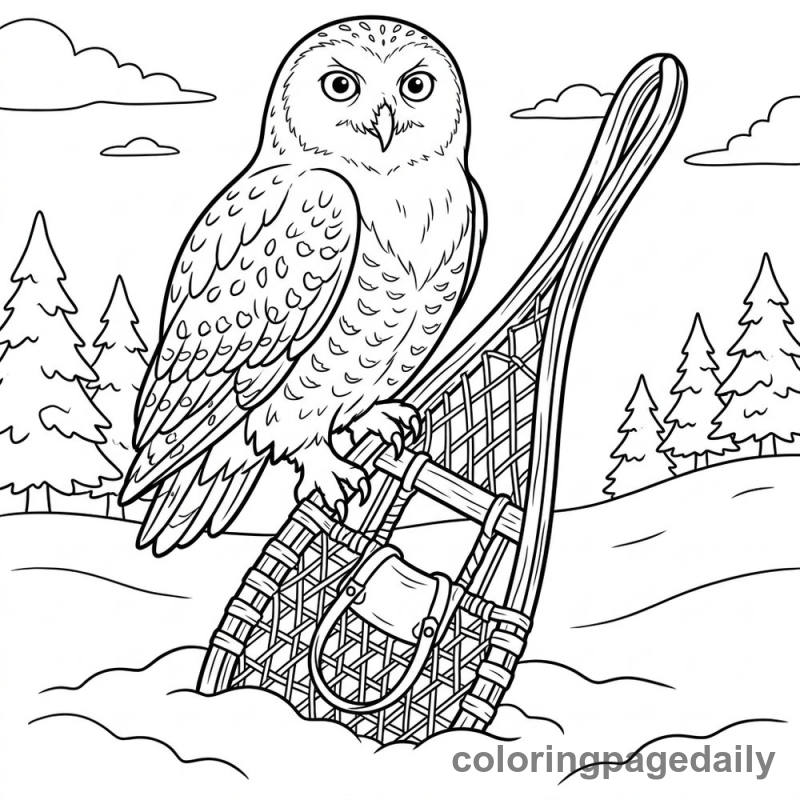
When we think of owls, we usually picture nocturnal birds that hoot in the dark. But the magnificent snowy owl is quite different! Because they live in the high Arctic where the summer sun can shine for 24 hours a day, snowy owls are primarily diurnal—meaning they are active and hunt during the daytime. They also have thick feathers covering their toes to protect them from the freezing cold branches and perches.
Pairing these fun facts with your coloring sessions is a fantastic way to build your child’s vocabulary and appreciation for nature. Bundle up, grab your favorite art supplies, and enjoy learning about the resilient and adorable animals of the winter wonderland!
This article is part of Cozy Winter Wonderland Vol. 2 — browse all 22 coloring pages
