Welcome to a world where bravery takes many forms! Our "Brave Heroes & Rescuers" coloring collection isn't just about exciting action scenes; it is a wonderful opportunity for parents and teachers to share amazing real-world facts with kids. From high-flying aviation technology to fascinating animal biology, let's explore the educational side of heroism.
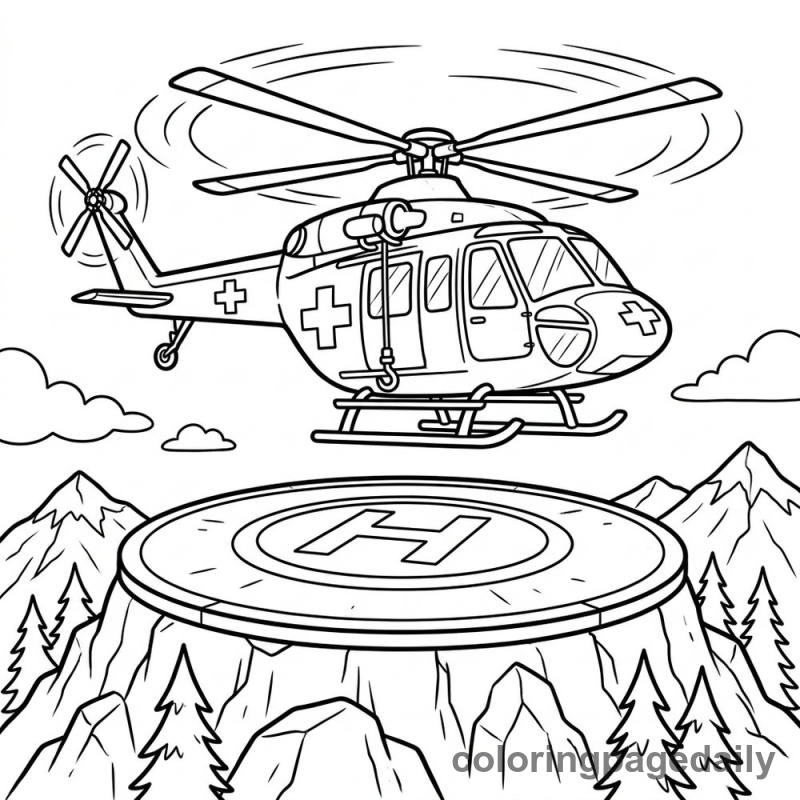
When emergencies happen in hard-to-reach places, medical rescue helicopters—often called "air ambulances"—swoop in to save the day. But how do these amazing machines stay steady in the air? While the large main rotor provides the lift needed to fly, it's actually the small tail rotor that prevents the helicopter's body from spinning uncontrollably in circles due to torque!

Rescue pilots train for hundreds of hours to master these complex controls. As kids color the intricate cockpit dials and flight helmets, you can explain that pilots use a special control stick called a "cyclic." This stick tilts the main rotor blades, allowing the helicopter to seamlessly fly forward, backward, and sideways to reach people in need.
Before digital messages and modern radios, how did medieval knights send important news across the kingdom? They wrote on scrolls! As your little artists color our knight drafting a royal letter, share a fun historical fact: the "pens" they used were called quills, which were made from the molted flight feathers of large birds like geese or swans. Interestingly, right-handed writers usually preferred feathers from a bird's left wing because the natural curve of the feather bent perfectly away from their eyes! Furthermore, they didn't write on paper as we know it, but on "parchment" made from specially prepared animal skins.
Our collection also features heroic animals with amazing superpowers. But did you know their real-world traits are just as spectacular?
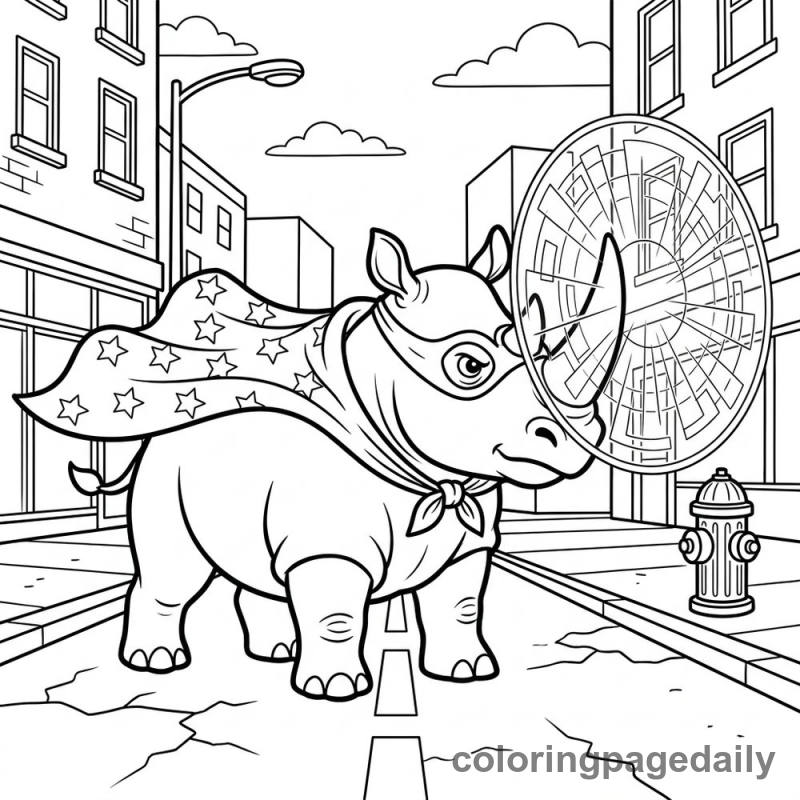
Take our superhero rhino, for example. While this hero projects an energy shield from its horn, a real rhinoceros horn is completely unique in the animal kingdom. Unlike cow horns, which have a bony core, a rhino's horn is made entirely of keratin. That is the exact same protein that makes up human hair and fingernails!
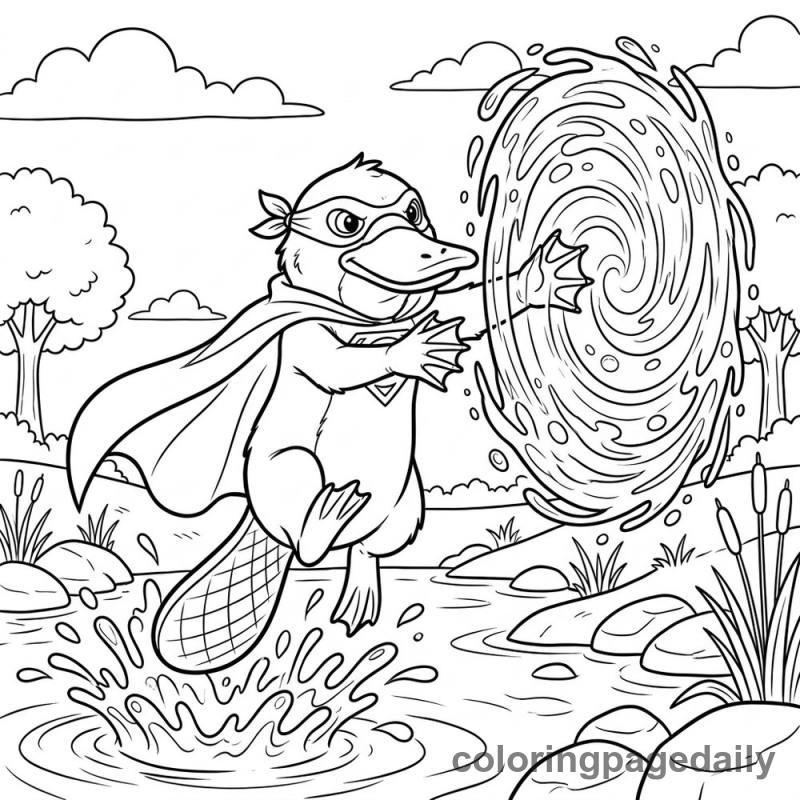
Then we have the superhero platypus. The platypus is already a real-life marvel: it is one of the few mammals that lay eggs, and it doesn't even have a stomach! When hunting underwater, a platypus closes its eyes, ears, and nose completely. Instead of seeing its prey, it uses a "sixth sense" called electroreception to detect the tiny electrical signals produced by the muscle movements of other animals. Talk about a real-world superpower!
By pairing these fun facts with our coloring pages, you can turn a creative afternoon into an engaging science and history lesson. Grab your crayons and start learning today!
This article is part of Brave Heroes & Rescuers — browse all 9 coloring pages
