While you won't actually find a capybara knitting a sweater or an axolotl delivering your mail, the real-world science behind the creatures in our "Animals with Hobbies" collection is just as fascinating as their fictional pastimes. Coloring is a fantastic opportunity for learning, so we've gathered some incredible real-life facts to share with your kids while they color!
In our collection, you'll find an octopus meticulously sorting conch shells. Did you know this isn't too far from reality? Octopuses are known to collect shells, shiny objects, and stones from the ocean floor. They arrange these treasures outside their dens to build what marine biologists affectionately call "octopus gardens." Not only does this show off their high intelligence, but they also use these scattered collections to disguise their homes from predators!
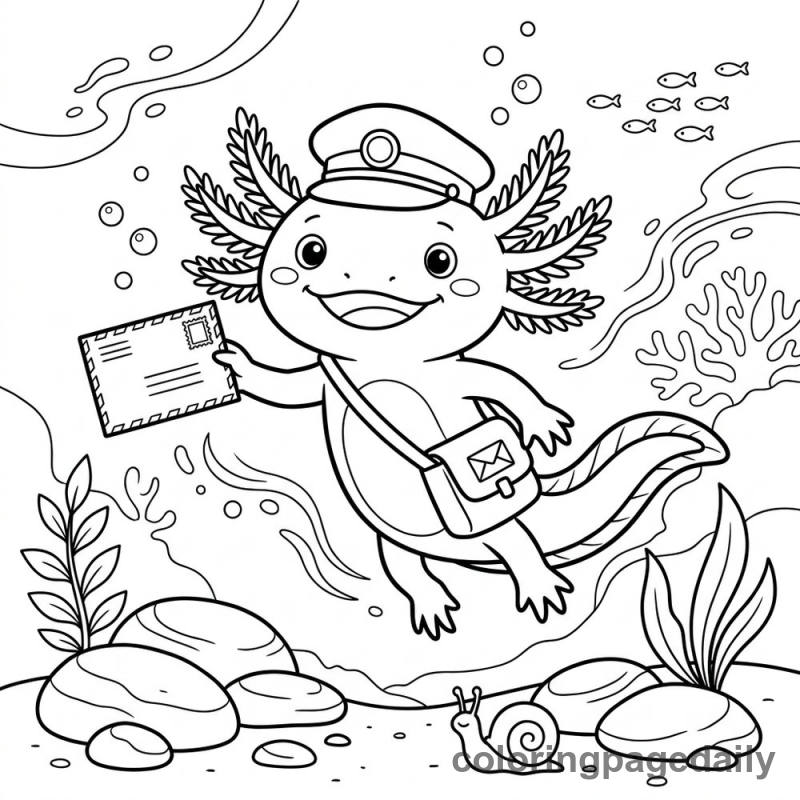
Whether they are working as tiny postmen or steering rowboats, our axolotls are busy little amphibians! In the wild, axolotls have a real-life superpower: incredible regeneration. They can perfectly regrow lost limbs, their spinal cord, and even parts of their heart without any scarring.
Furthermore, axolotls exhibit a unique biological trait called neoteny. Unlike most salamanders that undergo metamorphosis to live on land, axolotls keep their feathery external gills and remain fully aquatic for their entire lives.

Our green-thumbed wombat loves tending to its garden. While real wombats might not grow giant pumpkins, they are nature's ultimate earth-movers. These Australian marsupials are powerful diggers that create extensive underground burrow systems.
To prevent their babies from getting a face full of dirt while mom is tunneling, wombats evolved to have backward-facing pouches! As a bonus fun fact, they are the only animals in the world known to produce cube-shaped droppings, which prevents their territorial markers from rolling away down steep hills.
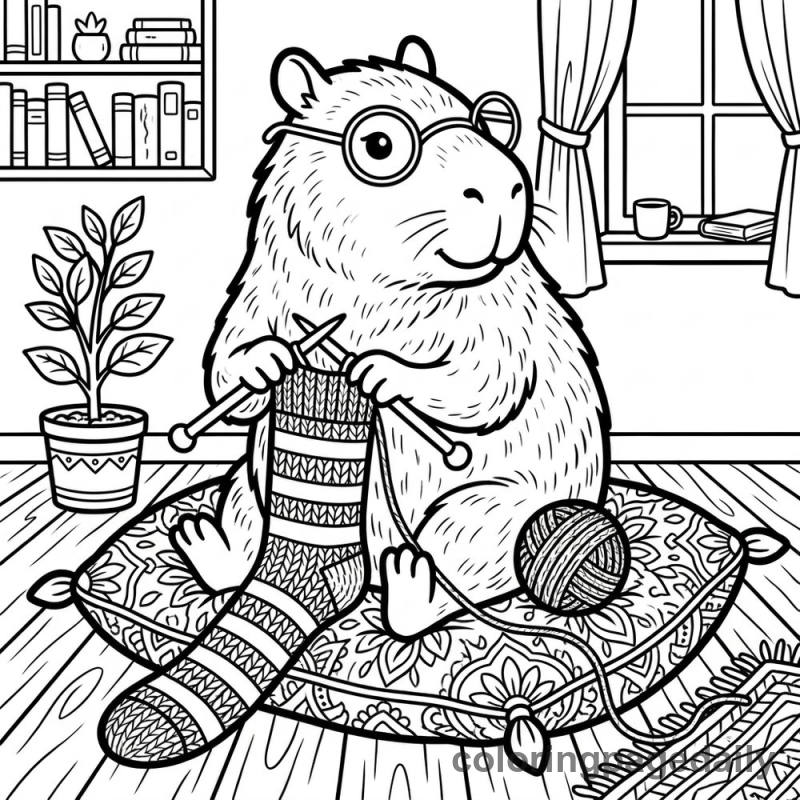
Picture a cozy capybara knitting a striped sock. Capybaras might look like giant, cuddly guinea pigs, but they are actually the largest rodents on Earth! While they certainly lack the dexterity to knit, they do have webbed feet that make them excellent swimmers.
Capybaras are highly social creatures that live in large herds near bodies of water in South America. They are so adapted to their wet environments that they can even sleep underwater by leaving just their noses exposed to breathe.
Use these fun facts to spark educational conversations while your little ones bring these hobbyist animals to life with color!
This article is part of Animals with Hobbies — browse all 28 coloring pages
