Welcome back to the vibrant world of our "Animals with Hobbies" coloring collection! As parents and educators, we know that coloring is more than just a quiet-time activity—it is a fantastic way to develop fine motor skills, encourage focus, and explore creativity.
While we previously shared tips on using short strokes to create realistic animal fur, our new hobbyist pages offer a wonderful opportunity to practice coloring entirely different objects and environments. From shiny metal to moving water, here are some engaging coloring techniques to teach your little artists!
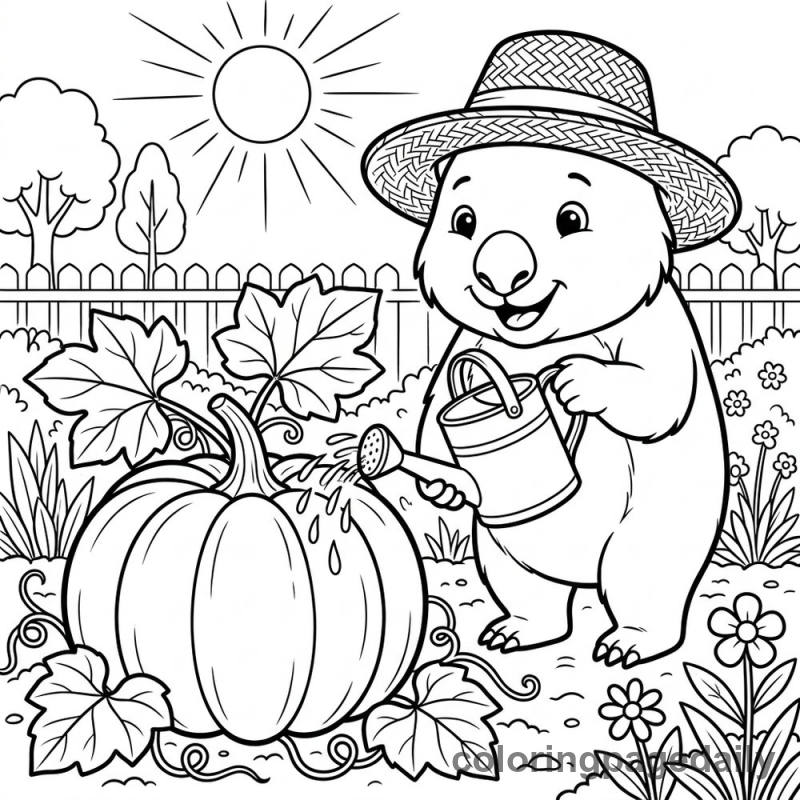
When children color large, round objects, they often use a single, solid color. You can introduce them to basic 3D shading using our gardening wombat! Have your child pick a base color, like a medium orange. Then, take a slightly darker orange or light brown and lightly trace the curved vertical ridges of the pumpkin, as well as the bottom edge where it touches the ground. Leave the center of the pumpkin sections a bit lighter. This simple trick tricks the eye, making the giant garden pumpkin look round and heavy rather than flat.
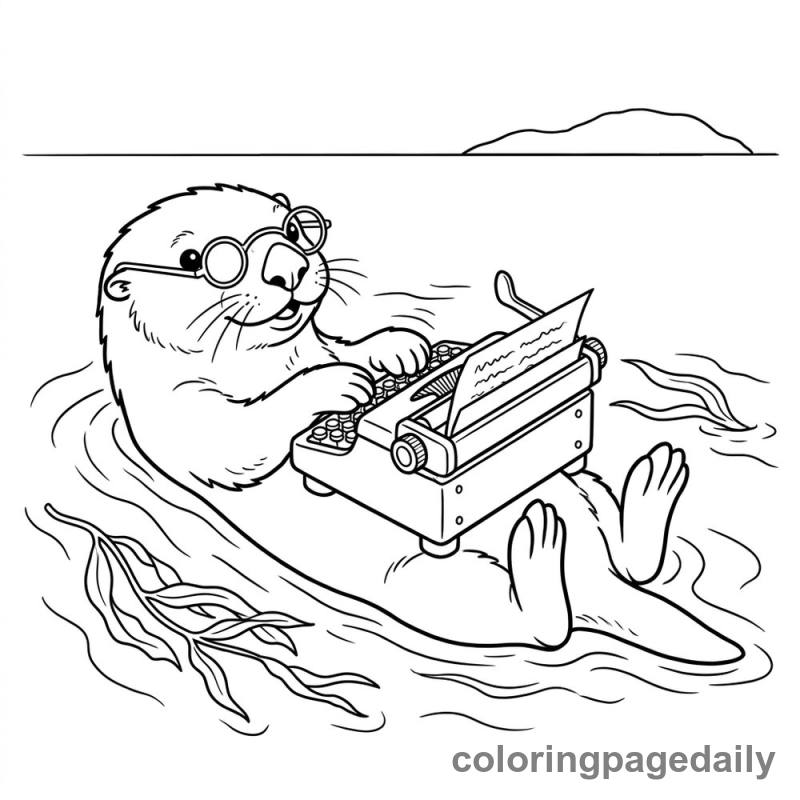
How do you make an object look shiny with just crayons or colored pencils? The secret is leaving a little blank space! When coloring the sea otter’s reading glasses or the metal keys of the classic manual typewriter, encourage kids to leave a tiny white sliver or dot uncolored. Filling the rest of the object with grays, blacks, and light blues will make that blank white space look like a bright reflection of light hitting polished glass or metal.
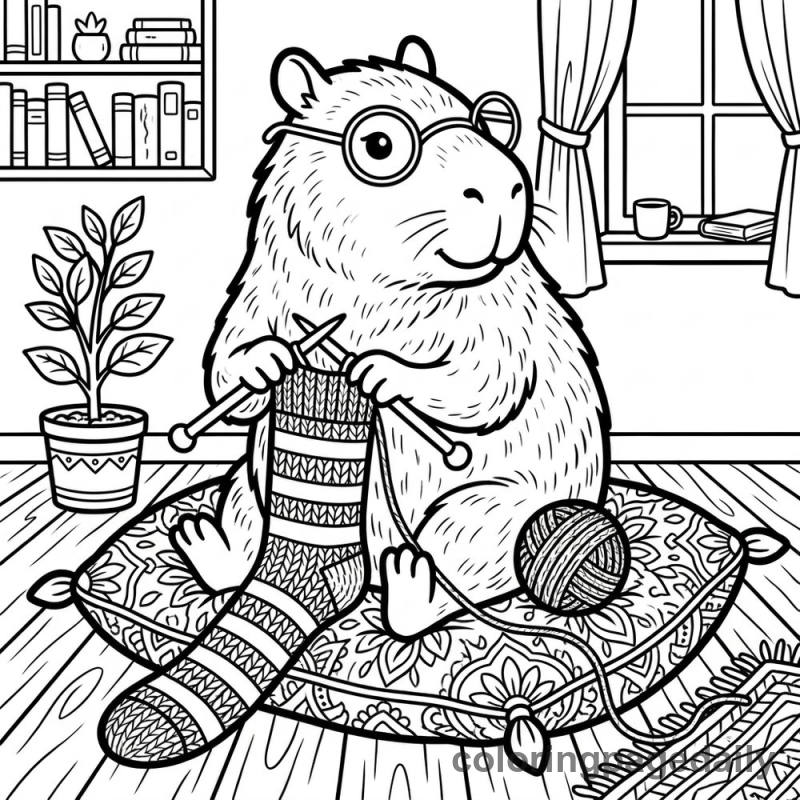
The cozy capybara page is a fantastic canvas for a quick lesson in color theory. Because the capybara is knitting a long, striped sock, you can challenge older children to use "complementary colors"—colors that are opposite each other on the color wheel, like blue and orange, or purple and yellow. To mimic the soft, fuzzy texture of the knitted yarn, ask them to use small, overlapping circular strokes rather than coloring in harsh, straight lines.
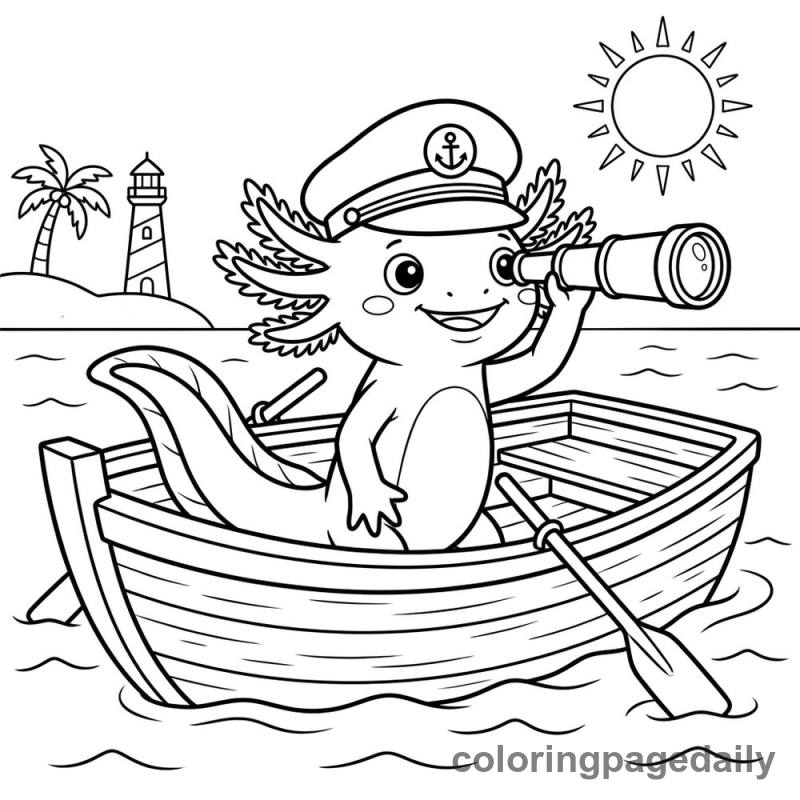
Water in nature is rarely just one flat shade of blue. When coloring the river around our adventurous axolotl captain's wooden rowboat, provide your kids with three or four different colored pencils: light blue, dark blue, teal, and maybe even a hint of green or purple! Teach them to layer these colors using long, horizontal, wavy strokes. This layering technique gives the illusion of depth and movement, making the aquatic scene come alive and contrast beautifully against the brown wood of the boat.
Coloring alongside your children or students is a great way to bond and talk about art. Print out your favorite pages from the "Animals with Hobbies" collection today, grab your favorite art supplies, and see what masterpieces you can create together!
This article is part of Animals with Hobbies — browse all 28 coloring pages
