As parents and educators, we know that coloring is more than just staying inside the lines—it’s a wonderful way for children to explore emotions and atmospheres through color. Our latest additions to the "Animals with Hobbies" collection provide the perfect canvas for teaching kids about color palettes!
Whether your little artists want to create a snug, relaxing afternoon or a vibrant underwater workspace, here are some fresh coloring tips focusing on color selection, featuring our newest furry and aquatic friends.
When children use warm colors like reds, oranges, and earthy browns, they can make a scene feel snug and inviting. Our favorite chill rodent is the perfect subject for this lesson.
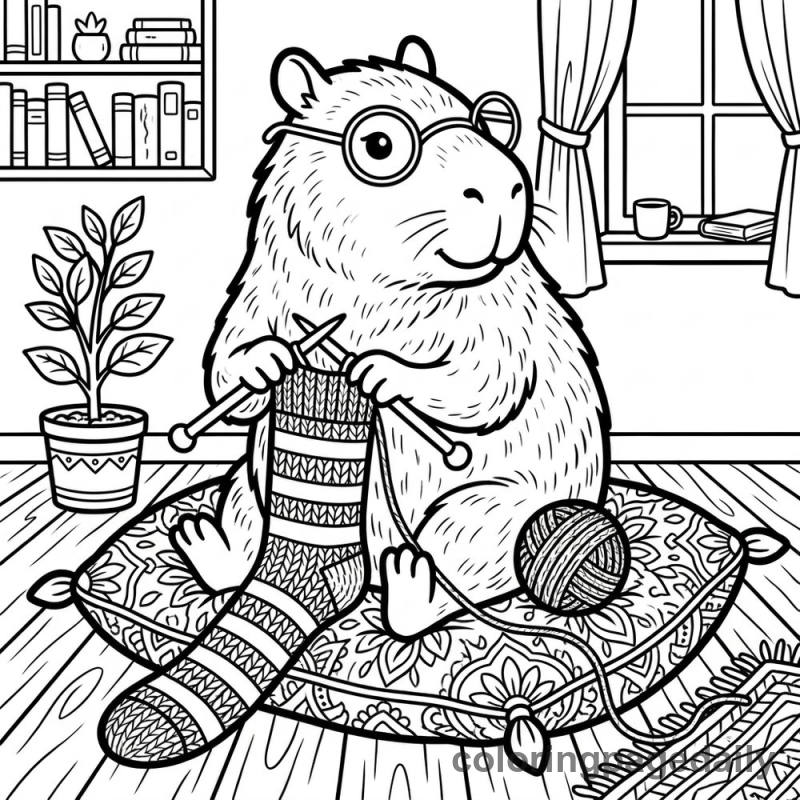
Tip for the Classroom or Home: Encourage kids to color the capybara's striped sock using "analogous colors"—colors that sit next to each other on the color wheel, like red, orange, and yellow. This will make the knitted yarn pop beautifully against the capybara's natural, earthy brown fur, emphasizing the relaxing, cozy vibe of the scene.
Another great page for practicing warm, earthy tones is our gardening wombat.
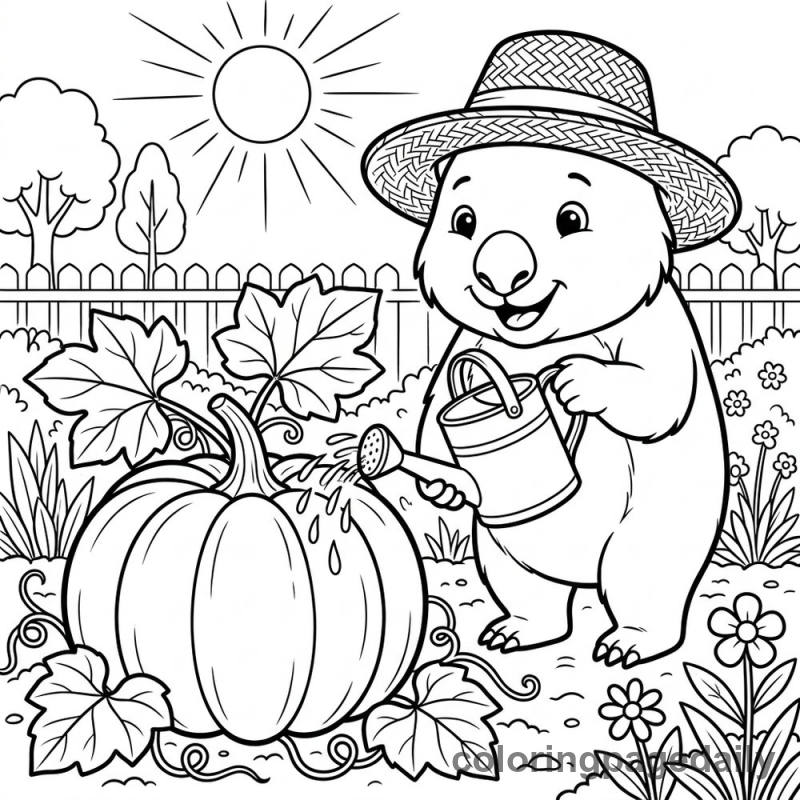
Have your young artists focus on the giant pumpkin! By using a light orange in the center and a darker, reddish-orange near the edges and creases, they can give the pumpkin a fantastic 3D effect that feels like a warm autumn afternoon.
Cool colors like blues, greens, and purples are excellent for creating a calm, focused atmosphere. These shades are naturally perfect for our underwater friends.
Tip for the Classroom or Home: Axolotls are famous for their unique, feathery external gills, which are often a vibrant pink. Teach children about "complementary colors" by having them color the axolotl bright pink and the surrounding water and seagrass in deep greens and teal blues. Pink and green are opposites on the color wheel, so placing them next to each other will make the cheerful little amphibian stand out brilliantly!
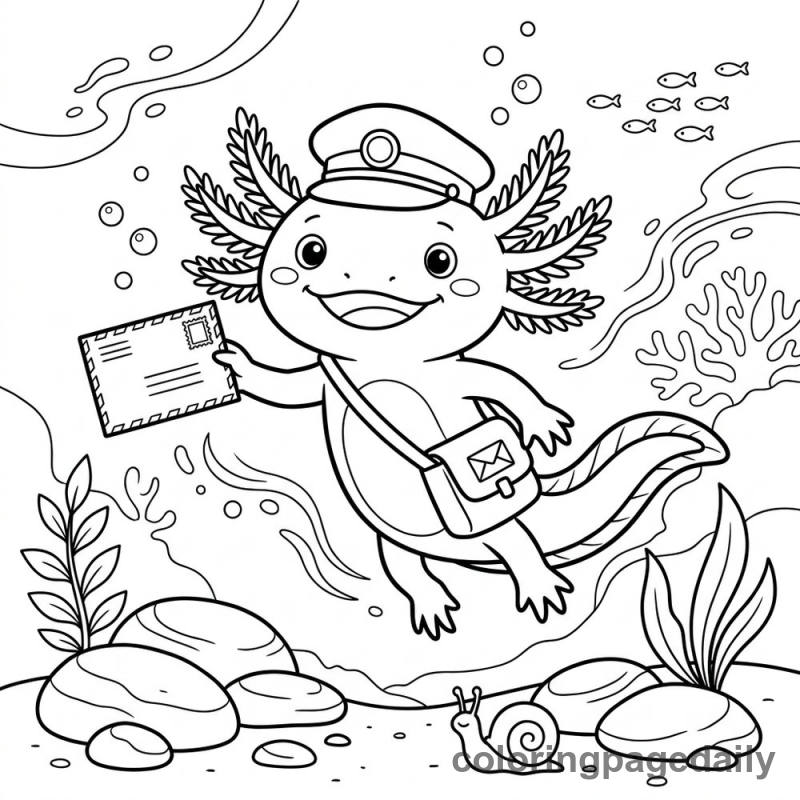
If your child prefers a more active underwater scene, our mail-delivering axolotl is a fantastic follow-up! Here, kids can experiment with varying shades of blue to show the depth of the water—lighter blue near the top where the sun hits, and darker navy blue near the bottom.
Sometimes, a hobby requires a bit more energy! For outdoor games, vibrant, saturated colors can bring a sense of lively action to the page.
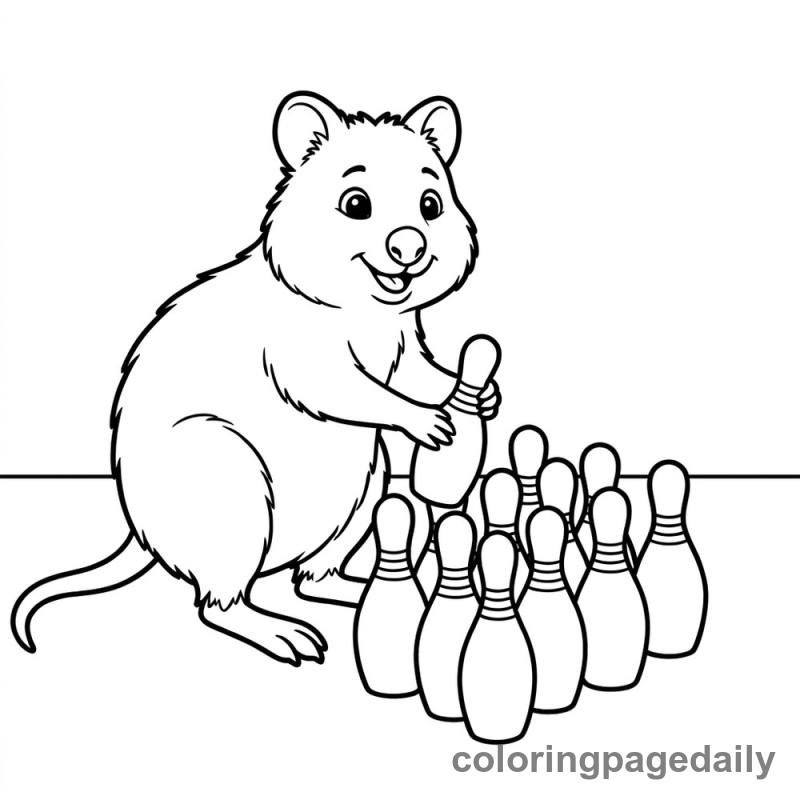
Quokkas are known for their happy expressions, and setting up a sunny bowling game requires bright, joyful colors. Encourage kids to use a bright, vibrant green for the grass. To make the wooden pins stand out, they can add colorful stripes to the neck of each pin, turning a simple grassy lawn into a lively bowling alley.
By guiding children to think about why they are choosing certain colors, you help them develop foundational art skills while they giggle at their favorite animals enjoying human-like hobbies. Grab your crayons and let the creativity flow!
This article is part of Animals with Hobbies — browse all 28 coloring pages
