When children dive into our "Animals with Hobbies" collection, it's easy to focus solely on the adorable creatures. But what about the worlds they play in? The objects they hold, the tools they use, and the environments they explore offer fantastic opportunities to practice new art skills!
If your little artists have already mastered coloring fluffy fur and bright animal patterns, it’s time to level up. Here are some fun, easy-to-teach coloring techniques to help kids bring wood, water, sand, and snow to life in our newest pages.
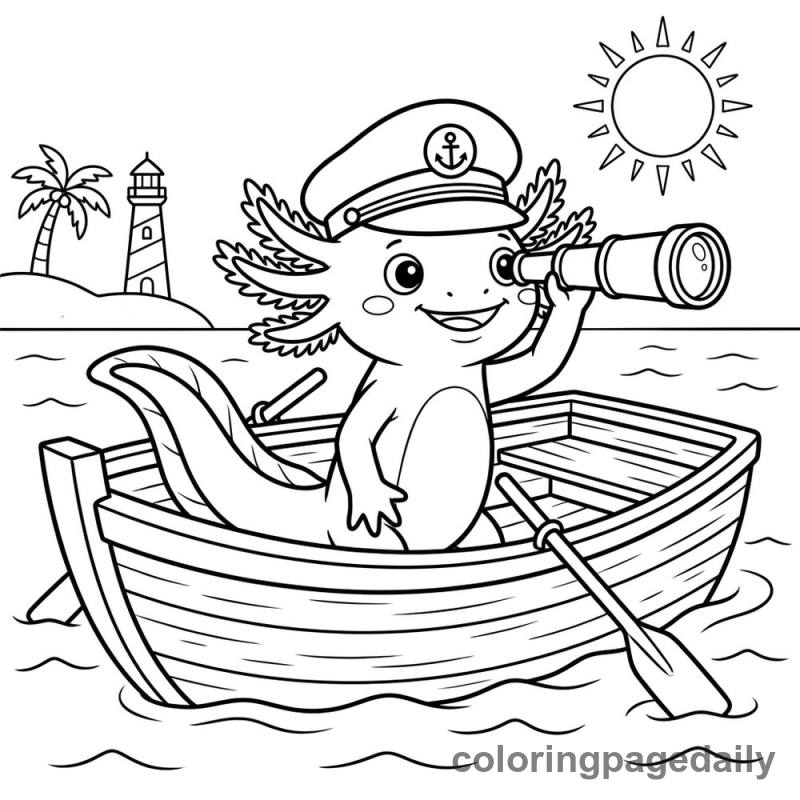
Our seafaring axolotl is ready for adventure! To make the classic wooden rowboat look realistic, encourage kids to use two different shades of brown. They can use a lighter brown pencil or crayon for the base, then draw long, wavy lines with a darker brown to mimic natural wood grain.
For the brass spyglass, try teaching them about "highlights." By coloring the spyglass yellow and orange but leaving a tiny sliver of blank white paper untouched along the top edge, the instrument will magically look round, metallic, and shiny!
This clever octopus loves a tidy ocean floor! Instead of coloring the sand with heavy, solid strokes, introduce the "stippling" technique. Kids can gently tap the page with tan, yellow, and light brown markers or colored pencils to create a dotted, grainy texture that looks just like real sand.
The spiral conch shells are perfect for practicing color blending. Have them start with a soft pink or coral at the wide opening of the shell, gradually pressing lighter and lighter with their crayon until the color fades into white at the pointy tip.
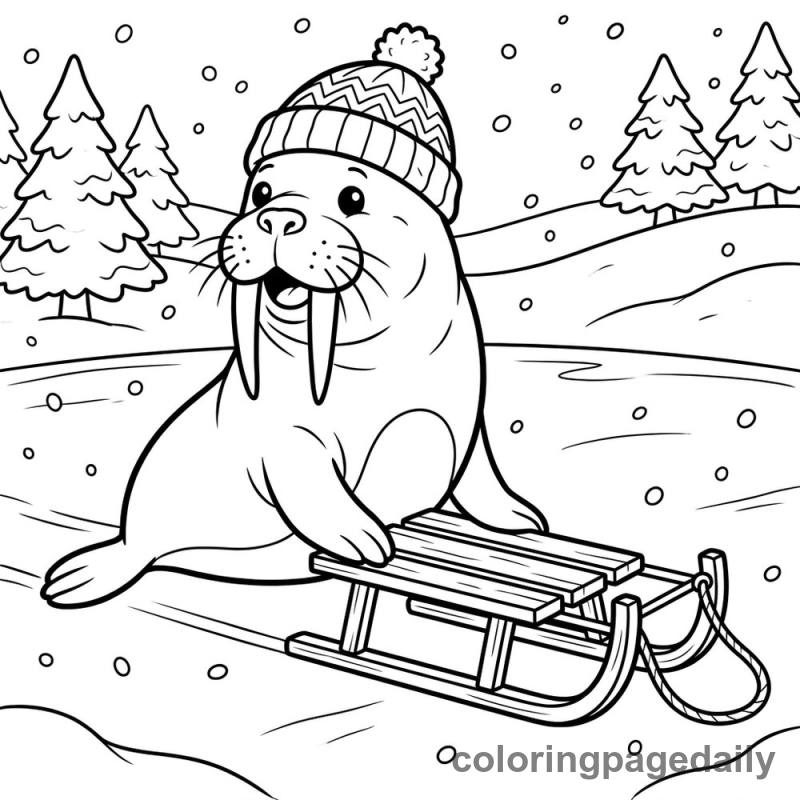
Snow doesn't have to be just blank white paper! To make this wintry scene feel chilly and three-dimensional, have your children add pale blue or light purple shadows just underneath the wooden sled and the walrus's flippers.
To contrast the cold snow, focus on the walrus's warm knitted beanie. Kids can draw tiny crisscross patterns (a technique called cross-hatching) over their base color to make the hat look like real woven yarn!
To make the seagrass hammock look vibrant and alive, try layering colors. A base layer of bright yellow topped with light strokes of green and teal creates a rich, underwater plant effect.
For the river rocks, remind kids that stones in nature are rarely just flat gray. Adding light hints of blue, green, or even pale purple to the rocks will make them look wet, smooth, and naturally varied.
Focusing on these small environmental details can turn a casual coloring session into a great lesson in observation. Grab your crayons, print out your favorite hobbyist animals, and let's get creative!
This article is part of Animals with Hobbies — browse all 28 coloring pages
