Coloring time is the perfect opportunity to sneak in some fun science lessons! When children are engaged with their crayons and markers, their minds are wide open to learning about the natural world. Our newest collection features adorable creatures participating in human hobbies, which provides a fantastic springboard for discussing real-life animal adaptations.
Let's explore some incredible facts you can share with your little ones while they color these creative critters!
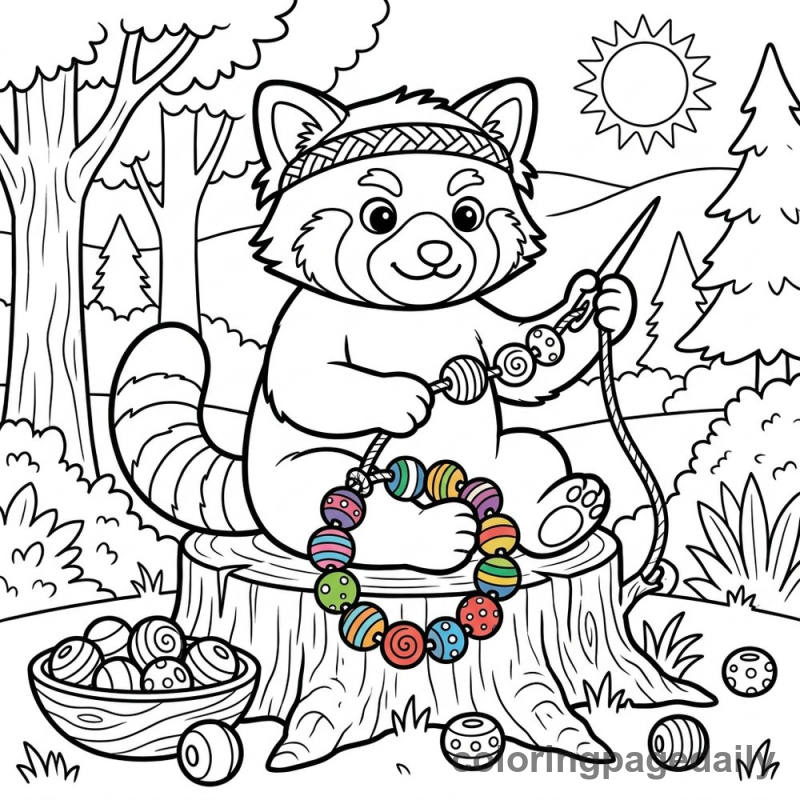
While coloring our red panda crafting a friendship bracelet, you can share a fascinating secret about their paws! Red pandas have a specialized "false thumb," which is actually an extended wrist bone. In the wild, they use this unique bone to firmly grasp bamboo stalks while eating. It turns out this amazing adaptation would be pretty handy for threading beads, too!
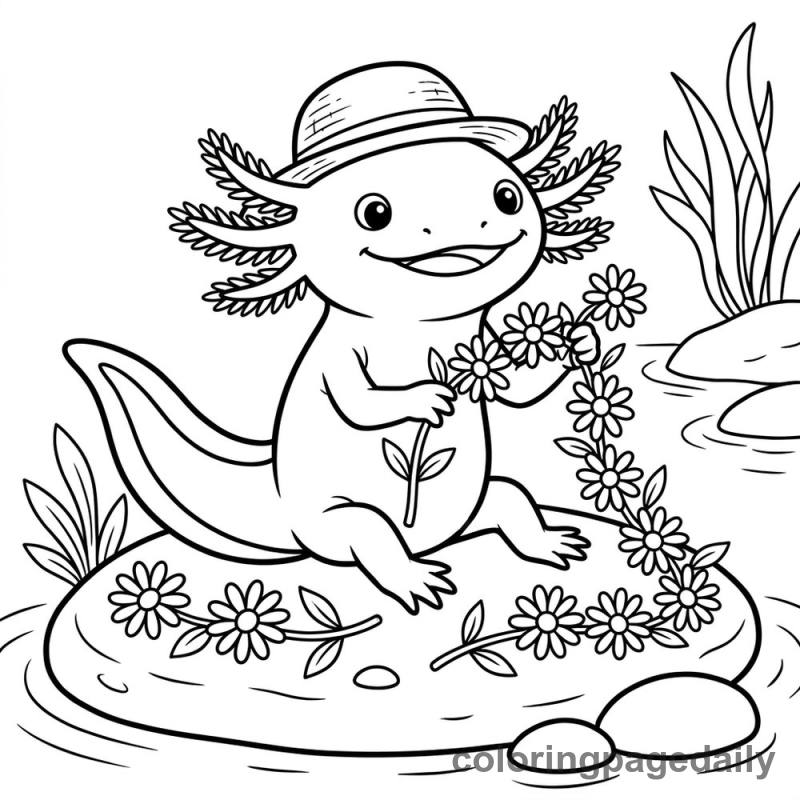
Our daisy-weaving axolotl is sure to be a favorite. Did you know that axolotls are a type of salamander that never grows out of its baby stage? This rare biological trait is called "neoteny." Those cute, feathery branches on the sides of their heads aren't just for show—they are actually external gills that allow them to breathe underwater!
Speaking of underwater wonders, our giant squid artist is the perfect chance to talk about deep-sea biology. When a squid feels threatened, it releases a cloud of dark ink to confuse predators and make a quick escape. In our coloring page, this clever cephalopod has decided to use its ink for a much more creative purpose! Giant squids also have the largest eyes in the animal kingdom, measuring the size of a dinner plate, which helps them see in the dark depths of the ocean.
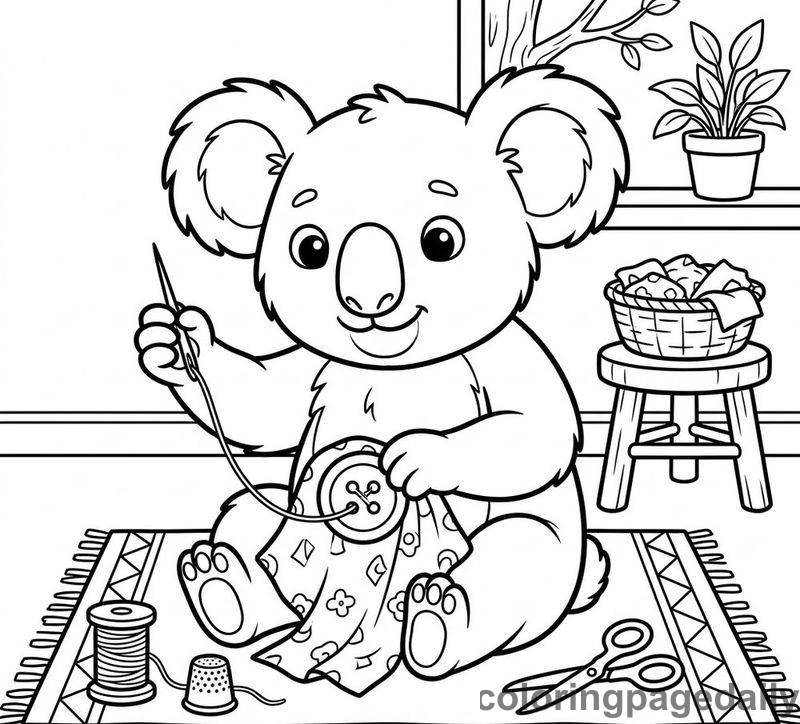
Sewing a button requires careful precision, which makes our koala the perfect candidate for the job! Koalas have incredibly unique hands. On their front paws, they have two opposable thumbs and three fingers, giving them a vice-like grip for climbing slippery eucalyptus trees. Even more amazing? Koalas have fingerprints that are almost identical to human fingerprints—so close, in fact, that under a microscope, they can be difficult to tell apart from our own!
Next time you print out a coloring page, take a moment to look up a few fun facts about the animal featured. Asking questions like, "Why do you think this animal needs a big fluffy tail?" or "How do you think it breathes underwater?" turns a simple art activity into a wonderful educational journey. Happy coloring and learning!
This article is part of Animals with Hobbies Vol. 3 — browse all 23 coloring pages
