Coloring isn't just about staying inside the lines; it's a fantastic way to introduce children to the foundational concepts of art! While we've previously covered how to add texture and shading to our furry friends, today we are diving into the wonderful world of color theory.
By intentionally choosing warm or cool color palettes, kids can completely transform the mood of their coloring pages. Let’s explore how to apply these concepts using the latest additions to the Animals with Hobbies Vol. 2 collection!
Warm colors include reds, oranges, yellows, and earthy browns. These hues evoke feelings of sunshine, warmth, and coziness—perfect for indoor hobbies or autumn days.
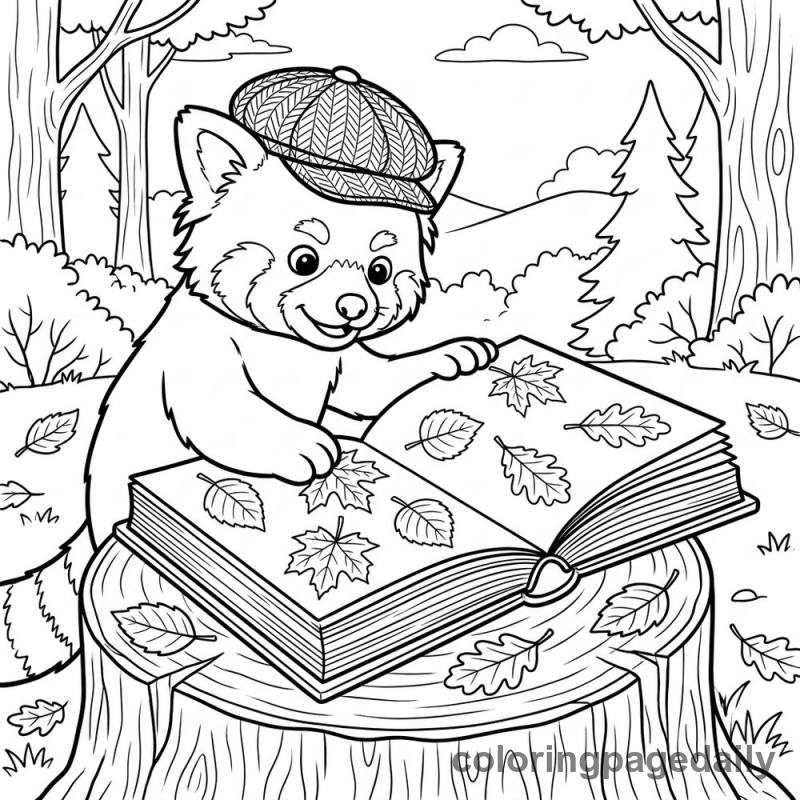
When coloring our Red Panda Pressing Autumn Leaves, encourage your little artists to stick to a warm palette. Using rich golden yellows and deep burnt oranges for the leaves will make the scene feel like a crisp fall afternoon. The red panda’s natural russet fur blends perfectly into this cozy, warm theme.
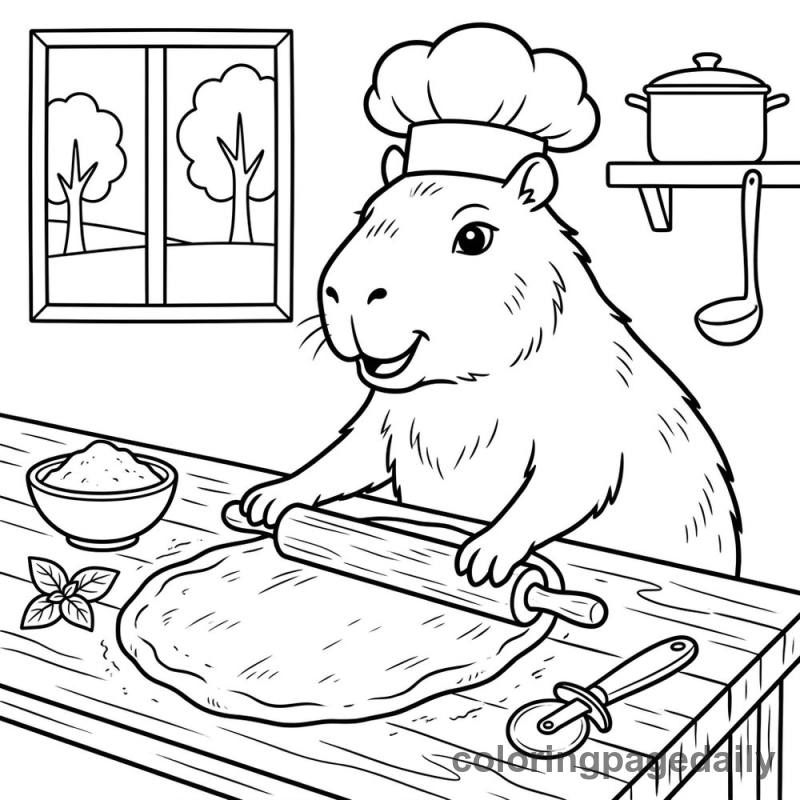
Warm colors also belong in the kitchen! For the Capybara Rolling Pizza Dough, a warm palette can make the food look delicious and inviting. Think golden-brown for the pizza crust, bright tomato red for the sauce (maybe waiting in a bowl nearby!), and soft tan for the capybara's fur.
On the opposite side of the color wheel, we have cool colors: blues, greens, and purples. These shades are calming and are exactly what you need for snowy landscapes or underwater adventures.
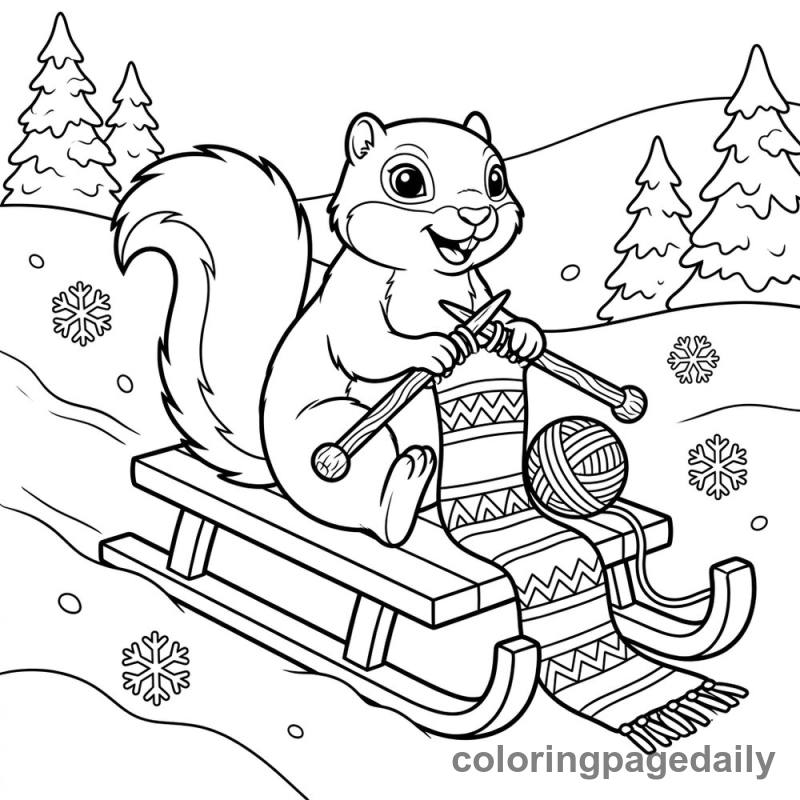
For the Arctic Squirrel Knitting Scarf, cool colors will help set that chilly winter mood. Using icy blues and soft lavenders for the snow and sled creates a freezing backdrop. Teacher Tip: Have your students color the knitted scarf in a bright, warm color—like cherry red or neon orange! This technique, called "color contrast," will make the scarf pop right off the page against the cool background.
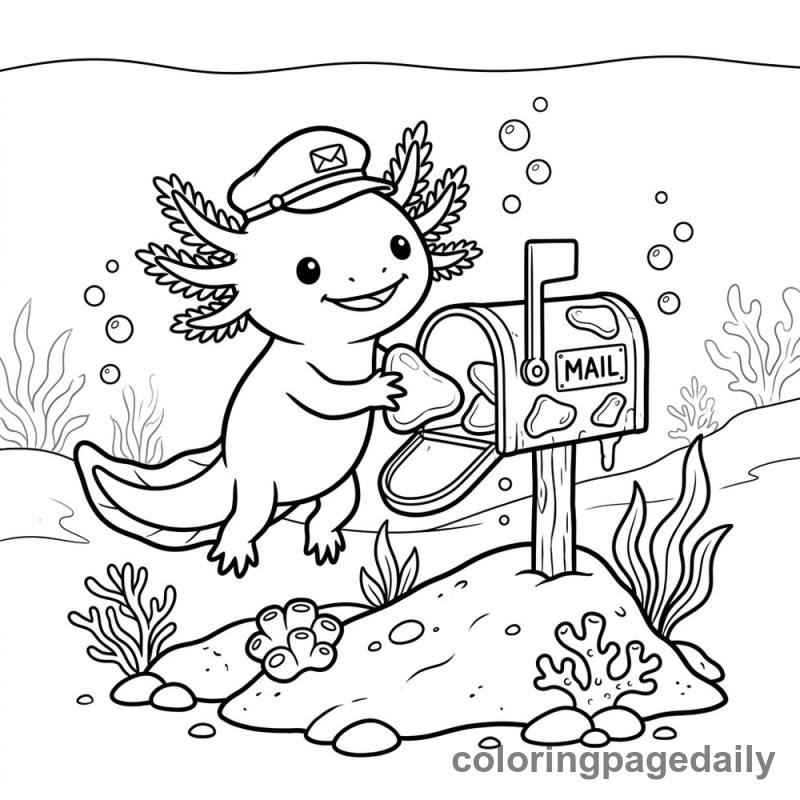
Cool palettes are also ideal for aquatic scenes. When coloring the Axolotl Decorating Mailbox, layers of teal, seafoam green, and deep ocean blue will make the water look deep and serene. Because axolotls are often a soft pink (a warm hue), the character will naturally stand out beautifully against the cool water.
Once your students understand warm and cool colors, they can mix them to create vivid focal points.
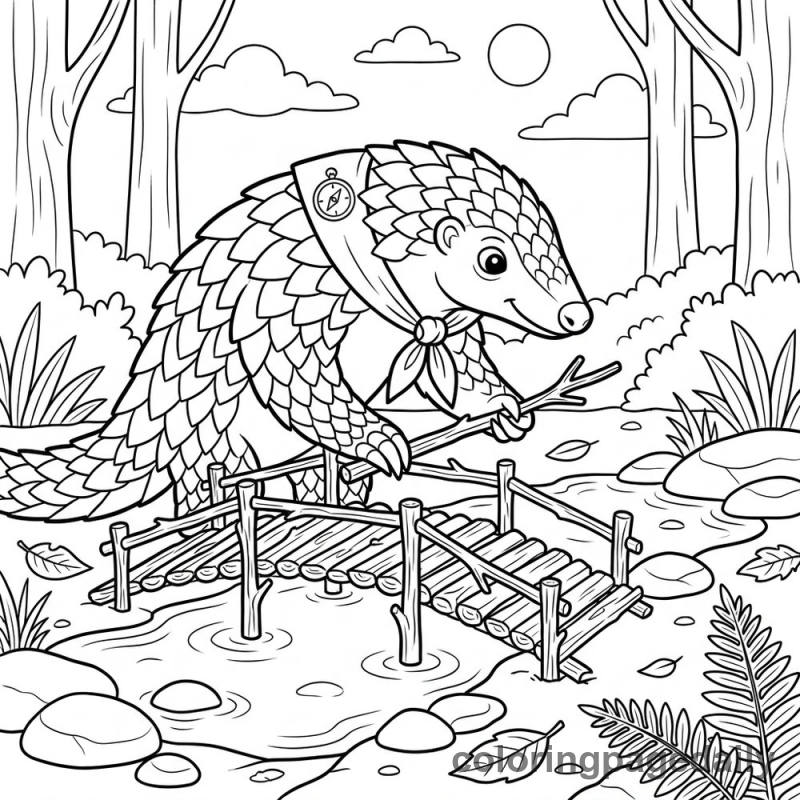
Take the Pangolin Scout Twig Bridge as an example. Kids can use cool blues for the forest puddle and vibrant greens for the surrounding grass, while reserving warm browns and oranges for the twigs, the bridge, and the pangolin’s scales. This contrast helps the main subject grab your attention immediately.
Classroom Activity Idea: Print out two copies of the same coloring page. Have your students color one entirely in warm colors and the other entirely in cool colors. Hang them side-by-side on the bulletin board to discuss how the different palettes change the story and mood of the picture!
This article is part of Animals with Hobbies Vol. 2 — browse all 21 coloring pages
